PVC plastics in product applications and material selection
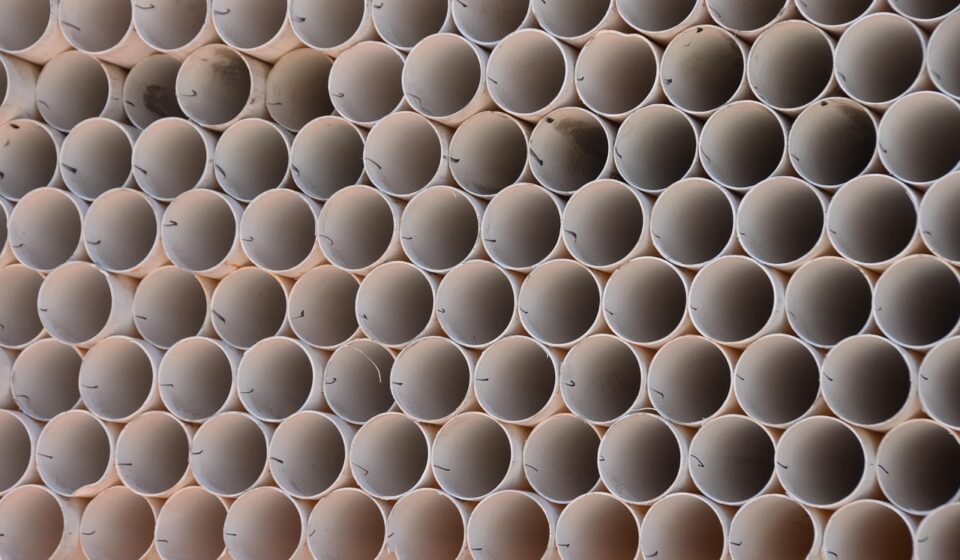
What PVC plastics are used for
PVC plastics are polyvinyl chloride materials selected when a product needs a practical balance of durability, formability, chemical resistance, flame resistance and cost control. The same base polymer can be compounded into rigid uPVC pipe, window profile and sheet, or into flexible tubing, cable jacket and membrane when plasticizers and other additives are specified. That formulation range explains PVC’s wide use in construction, electrical, healthcare, packaging and industrial products. The practical question is not whether PVC is universally good or bad. It is whether the compound, additive package, standard, service temperature, regulatory category and end-of-life route fit the application. For more material-use articles, see the Product Applications section.
In product development, PVC should be treated as a family of engineered compounds rather than a single commodity plastic. Rigid PVC and flexible PVC solve different problems, and a specification that works for pressure pipe may have little relevance to medical tubing, flooring or cable insulation.
What makes PVC different from many other plastics
Polyvinyl chloride is a thermoplastic polymer made from vinyl chloride monomer. Its repeat unit contains chlorine, which accounts for more than half of the polymer by weight. That chemistry helps explain several of PVC’s application strengths: it can be inherently more resistant to ignition than many hydrocarbon-only plastics, it can be made stiff without reinforcement, and it can accept high additive loadings to adjust processing and final performance.
The additive system is central to PVC performance. Stabilizers are used because PVC is sensitive to heat during processing. Impact modifiers can improve toughness, especially in profiles and sheet. Plasticizers can turn a rigid material into a flexible one for tubing, hoses, coated fabrics and wire insulation. Fillers, pigments, UV stabilizers and processing aids can further adjust cost, color, outdoor durability and manufacturing behavior.
- Rigid PVC is typically chosen for pipe, fittings, conduit, profiles, panels, cards and some packaging structures.
- Flexible PVC is used in cable jacketing, tubing, hose, membranes, flooring, coated textiles and some medical applications.
- CPVC, or chlorinated PVC, is a related material with higher chlorine content and is used where higher temperature resistance is needed, especially in certain pipe systems.
This flexibility also creates responsibility for specifiers and buyers. Two PVC products can look similar while using different stabilizers, plasticizers, pigments and performance ratings. The purchase specification should refer to the actual compound data, compliance declarations and applicable standard, not only the resin name.
Main product application areas
Building and construction is the largest and most visible application area for PVC in many markets. ECVM and PlasticsEurope materials describe PVC as a major polymer in European building and construction, where it is used in pipes, window profiles, cable systems, flooring, roofing and cladding. This matches the technical logic of the material: many construction products need durability, corrosion resistance, dimensional control and long service life.
| Application area | Common PVC products | Why PVC is selected | Key checks before use |
|---|---|---|---|
| Water, drainage and industrial piping | Pressure pipe, drainage pipe, fittings, conduit | Corrosion resistance, smooth internal surface, low weight and established joining methods | Pressure rating, temperature limit, chemical compatibility and potable-water certification where relevant |
| Building profiles and exterior products | Window frames, door profiles, siding, panels, gutters | Weatherability with the right additives, dimensional stability and low maintenance | UV package, impact rating, color stability, wall thickness and local building requirements |
| Electrical and electronics | Wire insulation, cable jackets, cable ducts, conduit | Flame resistance, flexibility options and abrasion protection | Fire, smoke, halogen and electrical performance requirements for the installation environment |
| Healthcare and laboratory products | Tubing, containers, masks, mattress covers, cleanable surfaces and blister packaging | Clarity, flexibility, processability and compatibility with sterilization or clean-use needs when properly specified | Medical-grade compound, plasticizer selection, biocompatibility and regional regulatory requirements |
| Flexible industrial and consumer goods | Hose, flooring, membranes, coated textiles, inflatable products | Adjustable softness, abrasion resistance and weldability | Plasticizer migration, low-temperature flexibility, outdoor exposure and recyclability |
PVC is also used in packaging, signage, cards, furniture components and agricultural products. Packaging use, however, can be more sensitive to local recycling systems and retailer requirements than long-life construction applications. A rigid blister pack, a shrink film and a pipe fitting may all involve PVC, but their product risks and end-of-life routes are different.
Standards and performance questions that should guide selection
For PVC plastics, reliable specification work starts with the intended service condition. A product designer should define whether the part carries pressure, contacts drinking water, touches skin, carries current, faces outdoor sunlight, or must comply with a building fire classification. The answer determines which compound and test standard matter.
For pipe, ASTM D1785 is a widely referenced standard for Schedule 40, 80 and 120 PVC plastic pipe intended for pressure-rated distribution of compatible liquids. The ASTM description covers requirements such as dimensions, workmanship, sustained pressure, burst pressure, flattening, extrusion quality and marking. This does not mean every PVC pipe is suitable for every fluid or temperature. It means pressure pipe should be specified against the proper standard and used within its rating.
For drinking-water applications, NSF describes NSF/ANSI 14 and NSF/ANSI/CAN 61 as distinct but related standards. NSF/ANSI 14 addresses performance and safety requirements for plastic piping system components and related materials, while NSF/ANSI/CAN 61 focuses on health effects for products and materials in contact with drinking water. The distinction is important: mechanical performance and drinking-water contact safety are connected, but they are not the same requirement.
For electrical products, the focus shifts to insulation performance, flame behavior, smoke requirements, installation temperature, abrasion and flexibility. For healthcare products, medical-grade formulation, extractables, plasticizer selection and sterilization compatibility become more important than construction pipe criteria. For outdoor profiles, the specification should cover UV stability, impact at expected service temperature, color retention and dimensional tolerances.
Where PVC is not the first choice
PVC has broad use, but it is not the correct material for every application. Standard PVC has temperature limits, especially in hot-water service. Where higher continuous temperature resistance is required, CPVC, polypropylene, cross-linked polyethylene, fluoropolymers, metals or multilayer systems may be considered depending on the application.
Chemical resistance should be verified rather than assumed. PVC often performs well against many acids, alkalis and salts, but it can be unsuitable for certain solvents, aromatic hydrocarbons, ketones or high-temperature chemical environments. Flexible PVC adds another variable because plasticizers may be affected by extraction, migration or regulatory restrictions in sensitive applications.
Fire behavior also requires precise language. PVC’s chlorine content contributes to resistance to ignition and flame spread, which can be valuable in cables and building products. At the same time, like other organic materials, PVC can produce hazardous smoke and acidic gases under fire conditions. Cable, building and transport specifications therefore need to consider the full fire scenario, including flame spread, smoke density, acidity and evacuation requirements.
End-of-life limitations should be considered early. PVC can be mechanically recycled when streams are identified, sorted and compatible. Mixed waste, contamination, legacy additives and multi-material laminates can reduce recycling options. Designing for take-back, clear material identification and separable components can make a real difference. See also: Buying Guides.
Recycling, compliance and current sourcing questions
PVC recycling is most developed where products are durable, identifiable and collected in relatively clean streams. European VinylPlus reporting provides a useful example, but it should not be treated as a global average. The VinylPlus 2026 Progress Report states that 765,972 tonnes of PVC waste were recycled within its framework in 2025, a 5.7% increase compared with 2024. It also reports that window profiles, flooring, cables, flexible PVC, pipes and other rigid products were among the main streams.
The same report shows both opportunity and constraint. The opportunity is that long-life PVC products can become feedstock for new products when collection and sorting are organized. The constraint is that recycling markets are affected by construction demand, virgin resin pricing, energy cost, additive rules and the ability to separate PVC from other polymers. For manufacturers, recycled PVC is most practical when the target application can tolerate the recycled stream’s color, formulation history and mechanical-property variation.
Compliance scrutiny remains important because PVC’s upstream monomer and some historical additives raise health and environmental questions. The U.S. Environmental Protection Agency describes vinyl chloride as primarily used to make PVC and classifies vinyl chloride as a known human carcinogen. EPA also designated vinyl chloride as a high-priority chemical for risk evaluation under the Toxic Substances Control Act in December 2024. For product selection, this does not automatically determine the performance of every finished PVC article, but it reinforces the need for controlled resin production, residual monomer limits, worker protection and transparent supply-chain documentation.
Buyers should request documentation appropriate to the product category: safety data sheets, technical data sheets, declarations of compliance, restricted-substance statements, food-contact or medical certifications where required, and evidence of conformity to relevant standards. For recycled-content claims, ask whether the content is post-consumer or pre-consumer, how it is measured, and whether the finished product still meets the required standard.
A practical selection checklist for PVC plastics
When PVC is being considered for a new product or material substitution, the following checklist helps avoid overgeneralized decisions:
- Define the application category: pressure pipe, profile, cable, flooring, medical tubing, packaging, membrane or another use.
- Decide whether rigid, semi-rigid or flexible PVC is needed, then identify the relevant additive and plasticizer requirements.
- Confirm service temperature, UV exposure, load, impact, abrasion, flame and chemical conditions.
- Match the product to recognized standards such as ASTM, NSF, IEC, EN, ISO or medical and food-contact rules where applicable.
- Check regulatory restrictions for plasticizers, stabilizers, heavy metals, flame-related requirements and regional chemical-control rules.
- Evaluate manufacturing processes, including extrusion, injection molding, calendaring, coating, welding, thermoforming or solvent cementing.
- Plan end-of-life handling, including recyclability, take-back options, separation from other materials and recycled-content targets.
The best PVC applications usually share three traits: a clear performance need, a compound designed for that need, and a specification that can be verified. Without those three elements, the material name alone is not enough.
Frequently asked questions
Are PVC plastics rigid or flexible?
They can be either. Rigid PVC is used for pipes, profiles, panels and fittings. Flexible PVC is made by adding plasticizers and is used for tubing, cable jackets, membranes, flooring and coated fabrics. The distinction should be written into the product specification.
Is PVC suitable for drinking-water pipe?
Only PVC pipe that is designed, rated and certified for the specific drinking-water use should be selected. Mechanical pipe standards and drinking-water health-effect standards address different aspects, so both performance and contact-safety documentation matter.
Why is PVC common in construction products?
PVC offers corrosion resistance, dimensional stability, low weight, processability and long service potential in products such as pipe, window profiles, conduit, flooring and roofing. Construction use still depends on local building codes, installation quality and the correct compound.
Can PVC be recycled?
Yes, PVC can be mechanically recycled in well-sorted streams, and organized European systems report significant recycling volumes. Recycling is easier for identifiable products such as profiles, pipes, flooring and cables than for contaminated mixed waste or complex laminates.
What is the main limitation when specifying PVC?
The main limitation is not a single property but the need for application-specific verification. Temperature, additives, plasticizer migration, chemical exposure, fire requirements, regulatory status and recycling route must all be checked before PVC is selected.


