How to care for and store bakelite without damaging its finish
Why bakelite needs careful handling
Bakelite is a hard thermoset plastic, widely known as an early phenol-formaldehyde material used in jewelry, radio cases, electrical parts, handles, knobs, and household objects. It is stronger and more heat-resistant than many early plastics, but it is not maintenance-free. Age, surface oxidation, ultraviolet light, high heat, water exposure, and abrasive cleaning can permanently change its color and gloss. The safest routine is straightforward: clean gently, keep it dry, avoid aggressive solvents, and store it in a stable, ventilated place away from direct sunlight.
This article focuses on practical care and storage for bakelite and other vintage phenolic plastics. It is written for collectors, restorers, dealers, and anyone responsible for older plastic materials. For more material maintenance topics, visit the Care and Storage section.
What bakelite is and why that matters for care
Bakelite is commonly used as a name for phenolic resin, a thermosetting plastic associated with the early twentieth century. Unlike many thermoplastics, a thermoset material is not designed to soften and be remolded repeatedly when heated. Once cured, its cross-linked structure gives it rigidity, electrical insulating properties, and better heat resistance than many soft or flexible plastics.
Those properties explain why bakelite was used in electrical fittings, radio housings, telephone parts, cookware handles, buttons, bangles, knobs, and industrial components. However, many historical bakelite objects were not pure resin. They often contained fillers such as wood flour, paper, cotton fabric, mineral fillers, or pigments. Some industrial and electrical-grade phenolic materials also used fillers that require extra caution when cut, sanded, or broken.
For care decisions, the important point is that bakelite is tough but not self-healing. A polished surface can become dull through oxidation or abrasion. Darker colors may develop a brownish surface change over time. Marbled and translucent pieces can lose visual depth if they are cleaned too aggressively. Once the original surface is removed by heavy polishing or sanding, the object may look brighter for a short time, but it can lose historical character, collector value, or dimensional detail.
How to identify condition before cleaning
Before choosing a cleaning method, inspect the object in good light. Condition determines how much intervention is safe. A glossy, intact bangle can tolerate a light wipe better than a cracked radio cabinet with lifted edges, metal fittings, or painted details. If the item has labels, decals, inlaid decoration, foil backing, or fragile metal hardware, treat those areas as more sensitive than the plastic body.
| Condition sign | What it may indicate | Care response |
|---|---|---|
| Dull or brownish surface | Surface oxidation, age-related patina, or previous cleaning wear | Use dry dusting first; avoid strong cleaners and heavy polishing |
| White residue in crevices | Old polish, dried soap, mineral deposits, or degraded surface contamination | Remove gently with a soft brush; avoid soaking crevices |
| Cracks, chips, or crazing | Mechanical stress, impact, aging, or environmental change | Do not flex; support fully when handling; avoid liquid cleaning near cracks |
| Sticky, oily, or unusually strong odor | Surface contamination or possible degradation of another nearby material | Isolate from other objects and use ventilated storage; seek specialist advice for valuable items |
| Paint, decals, foil, or metal inserts | Mixed materials with different cleaning tolerances | Clean around details, not across them; test any method in a hidden area |
Avoid destructive identification tests. Hot pins, aggressive scraping, and solvent tests can damage the object and may release unpleasant fumes. If identification matters for sale, insurance, or conservation, start with non-destructive assessment: visual inspection, construction details, object history, and comparison with known examples. For high-value items, professional evaluation is safer than home testing.
Safe cleaning methods for bakelite
The safest cleaning method is the least forceful one that removes loose dirt. Begin with a dry microfiber cloth or a soft natural-bristle brush. For display pieces, jewelry stored in boxes, or electrical components that should not be exposed to moisture, this may be enough.
If dry cleaning is not sufficient, use a barely damp cloth with a small amount of mild soap. Wipe only the surface, keep water away from seams and cracks, and dry the item immediately with a clean cloth. Do not soak bakelite in water. Water can enter joints, get under metal fittings, or reach laminated and filled materials. The plastic may not dissolve, but trapped moisture can affect hardware, adhesives, labels, and adjacent materials.
Do not use bleach, ammonia, oven cleaner, strong alkaline cleaners, acetone, paint thinner, abrasive powders, scouring pads, or dishwasher cycles. These can dull the surface, attack finishes, remove color, or damage non-plastic parts attached to the object. Alcohol should also be used cautiously because old finishes, paints, inks, and adhesives may be more vulnerable than the bakelite body.
For jewelry, wipe pieces after wearing to remove skin oils, perfume, sunscreen, and cosmetics. Apply perfume, hair spray, or lotion before putting on bakelite pieces, not after. Avoid ultrasonic cleaners and steam cleaning because vibration, heat, and moisture can stress old joins, carved details, laminated layers, or metal settings.
For radio cases, telephones, switches, and appliance handles, cleaning must also account for electrical safety. Unplug devices before handling. Do not introduce moisture into switches, sockets, speaker cloth, wiring, or interior components. Older electrical items may have outdated wiring, brittle insulation, or components that should be assessed by a qualified repair professional before use.
Polishing bakelite without removing too much surface
Polishing is where many bakelite objects are accidentally damaged. A light hand can revive gloss, but repeated or aggressive polishing can remove oxidized surface material, soften detail, round edges, and change color. For collectible objects, patina is not always a defect. It can be part of the object’s age, authenticity, and visual appeal.
Before polishing, ask three questions: Is the object valuable? Is the surface original? Is the dullness dirt, oxidation, or wear? If the item is rare, decorated, carved, or historically important, do not polish without specialist guidance. If the object is common and the surface is plain, a conservative polish may be reasonable, but it should still be tested on a hidden area first.
- Use a soft cotton or microfiber cloth rather than a paper towel or rough rag.
- Work by hand, not with a high-speed buffing wheel, unless you have restoration experience.
- Use minimal pressure and stop frequently to inspect the surface.
- Keep polish away from grooves, logos, decals, and porous seams where residue can collect.
- Remove all residue after polishing and let the object rest in open air before storage.
Avoid polishing products designed for metal, automotive paint, or heavy oxidation unless their suitability for the specific object is clear. Many such products contain abrasives. Even if they improve gloss, they may also remove original surface material. For pieces with collector value, preserving original condition is usually more important than achieving a bright shine.
Best storage conditions for bakelite
Bakelite stores best in a cool, dry, stable environment. The aim is to reduce stress: less heat, less ultraviolet exposure, fewer humidity swings, and less contact with materials that stain, stick, or transfer chemicals.
Direct sunlight is one of the easiest risks to avoid. Long-term light exposure can fade nearby materials, heat the object unevenly, and accelerate surface change. Display pieces away from windows, heat vents, radiators, and lamps that run hot. If an item must be displayed, rotate it with stored objects so no single piece receives constant light exposure.
Temperature stability matters because older plastics and attached materials expand and contract at different rates. Do not store bakelite in attics, garages, sheds, car trunks, or other locations that experience high heat or strong seasonal swings. A normal living-space environment is usually safer than a storage area that becomes very hot in summer or damp in winter. See also: Buying Guides.
Moderate relative humidity is preferable. Very damp storage can encourage corrosion on metal fittings and mold on paper labels, cloth cords, or wood-filled adjacent materials. Extremely dry storage can stress mixed-material objects. In practice, the best solution is not extreme climate control, but a stable indoor location with good air movement and no condensation.
Use clean, inert packing materials. Acid-free tissue, unbleached cotton bags, clean polyethylene bags left slightly open, or archival boxes can be suitable depending on the object. Avoid newspaper, rubber bands, adhesive tape, PVC sleeves, strongly scented storage materials, and foam that may degrade or stick over time. Do not wrap bakelite tightly against painted surfaces or soft plastics whose plasticizers may migrate.
For jewelry, store pieces separately so they do not scratch each other. Bangles should not be forced over rigid supports that create pressure points. Brooches, buckles, and carved items should be supported so pins and raised details are not carrying the object’s weight. For larger objects such as radio cabinets, support the whole base and avoid stacking weight on top.
Common mistakes that damage bakelite
Many bakelite problems come from well-intentioned overcleaning. When an object looks dirty, it is tempting to use a stronger cleaner, more water, or a faster polishing tool. That approach may work on modern household surfaces, but it can be risky for vintage plastics.
- Soaking: Extended water exposure can affect seams, labels, hardware, and filled or laminated areas.
- Dishwashing: Heat, detergent, water pressure, and drying cycles can dull or stress old plastic parts.
- Solvent cleaning: Strong solvents may damage surface finish, paint, adhesives, or decorative details.
- Heavy sanding: Sanding removes original surface and may create dust from old fillers or coatings.
- High-speed buffing: Friction heat can create uneven gloss, rounded edges, or surface distortion.
- Sealed storage with unknown plastics: Mixed plastics can off-gas or transfer residues in confined spaces.
- Using vintage electrical items without inspection: The bakelite housing may be stable while internal wiring is unsafe.
Dust is a separate safety concern. Do not sand, drill, grind, or saw old phenolic parts casually. Some historical formulations and associated components may contain fillers, coatings, or contaminants that should not be inhaled. If repair requires cutting or machining, use appropriate protective controls or consult a specialist familiar with vintage plastics and electrical materials.
Care guidance by object type
Bakelite jewelry
Jewelry usually needs more surface care than structural repair. Wipe pieces after wear, store them separately, and keep them away from perfume, lotion, and prolonged sunlight. Avoid forcing bangles over the hand if they are tight, because old plastic can crack under stress. If a brooch has a metal pin, make sure the metal is dry before storage.
Radio cases, telephones, and electrical housings
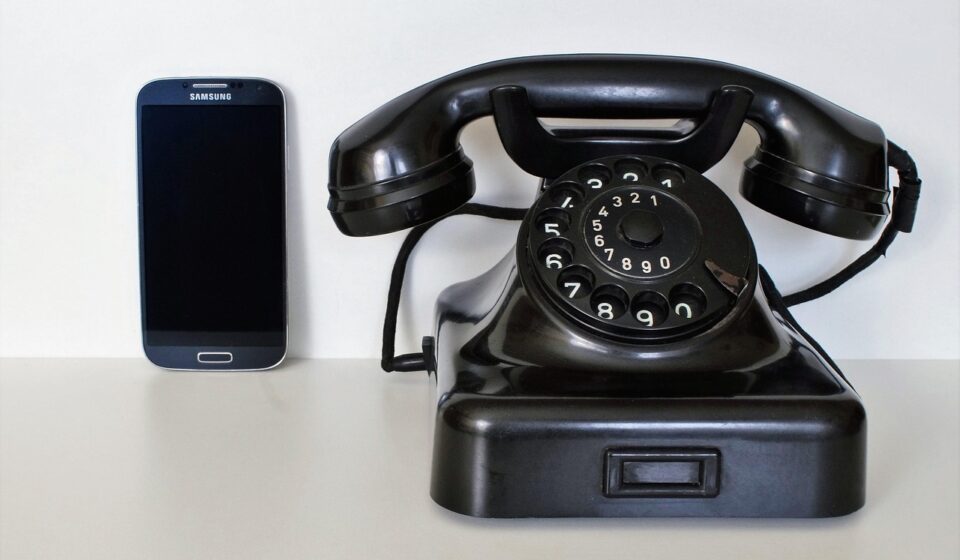
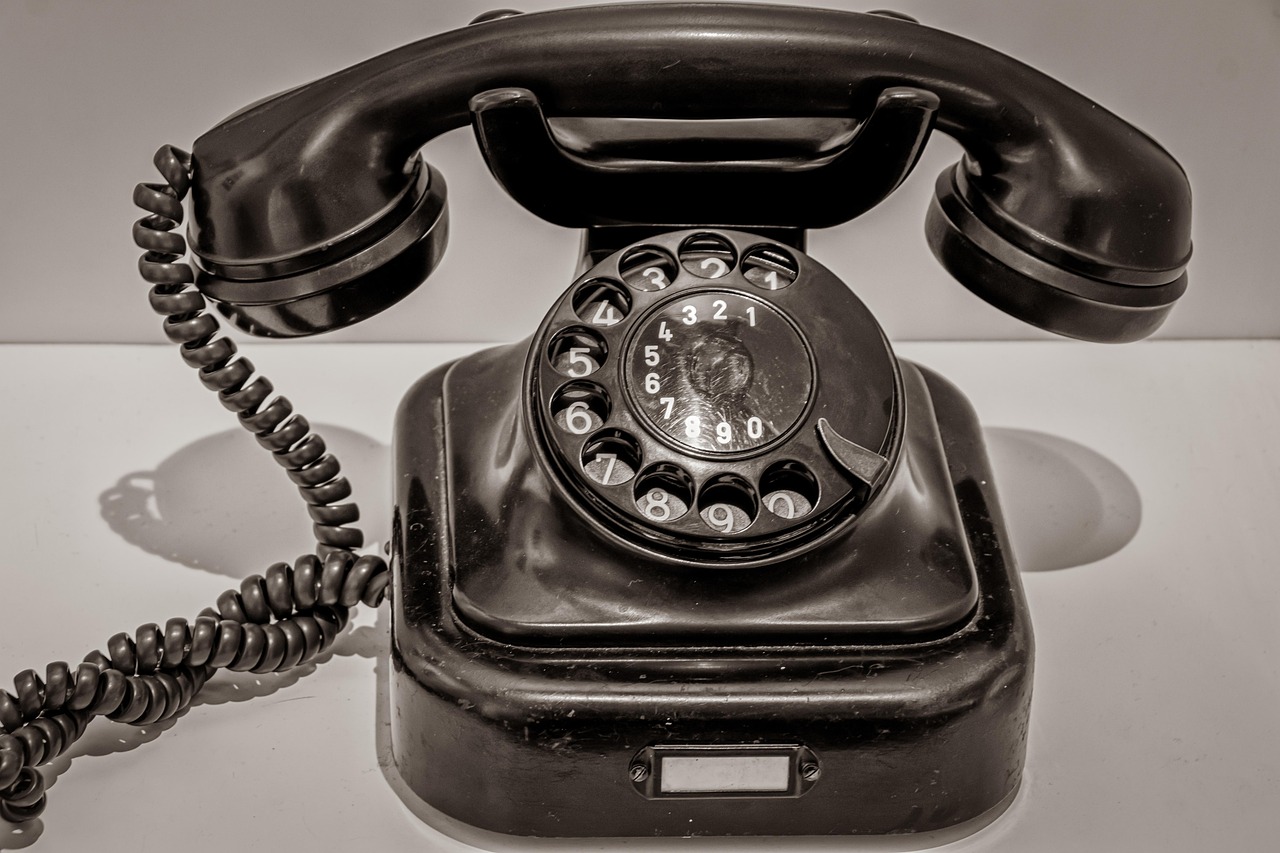
Dust first, then clean only the exterior with a slightly damp cloth if needed. Keep water away from vents, seams, dials, fabric, and wiring. Treat electrical safety as a separate issue from cosmetic care. Even if a bakelite case looks excellent, internal electrical components may not be safe for operation without inspection.
Handles, knobs, and kitchen-related items
Bakelite handles on cookware and appliances can become dull from heat, grease, and repeated washing. Clean with mild soap on a damp cloth, then dry well. Do not place vintage bakelite-handled items in a dishwasher. If an item is old, cracked, or of uncertain composition, avoid using it for food contact and treat it as a collectible or display object instead.
Industrial and laminated phenolic parts
Sheets, gears, spacers, and other industrial phenolic parts may be reinforced or filled. Store them flat when possible, away from excessive heat and moisture. Do not machine old parts unless their composition and dust controls are understood. If the part is load-bearing or electrical, replacement decisions should be based on function and safety, not appearance alone.
Frequently asked questions
Can bakelite get wet?
A brief wipe with a barely damp cloth is usually safer than soaking. The concern is not only the phenolic resin but also seams, cracks, labels, metal fittings, fillers, and adjacent materials. Always dry the item immediately.
Can yellowed or darkened bakelite be restored?
Sometimes light surface oxidation can be reduced, but full color restoration is not guaranteed and may require removing original surface material. For collectible pieces, aggressive restoration can reduce value. Test gently and stop before detail or patina is lost.
Is bakelite safe to use?
Intact bakelite objects can be stable for display and handling, but use depends on the item. Vintage electrical goods should be inspected before operation. Items intended for food, heat, or electrical service should not be used if cracked, degraded, or of uncertain composition.
What is the best way to store bakelite jewelry?
Store each piece separately in a clean cloth pouch, acid-free tissue, or a divided box. Keep it away from sunlight, heat, perfumes, rubber bands, PVC sleeves, and heavy objects that could scratch or crack it.
Should bakelite be kept airtight?
Usually, no. Clean, protected storage is important, but completely airtight storage can trap moisture or odors. A stable, dry, ventilated container or cabinet is generally a better choice, especially for mixed-material vintage objects.
Final care checklist
- Dust first and use liquid cleaning only when necessary.
- Use mild soap, minimal water, and immediate drying.
- Avoid bleach, ammonia, acetone, abrasives, dishwashers, and steam.
- Polish conservatively and do not remove original surface unnecessarily.
- Store in a cool, dry, stable place away from sunlight and heat.
- Separate jewelry and small parts to prevent scratching.
- Avoid rubber bands, PVC, adhesive tape, newspaper, and degrading foam.
- Do not sand, drill, or machine old phenolic parts without dust precautions.
- Have vintage electrical items inspected before use.
Bakelite earned its place in material history because it is strong, moldable, and useful across many industries. Its long-term preservation, however, depends on restraint. Gentle cleaning, stable storage, and respect for original surfaces will protect both appearance and value far better than aggressive restoration.


