Polycarbonate sheet applications in construction, agriculture and industrial protection
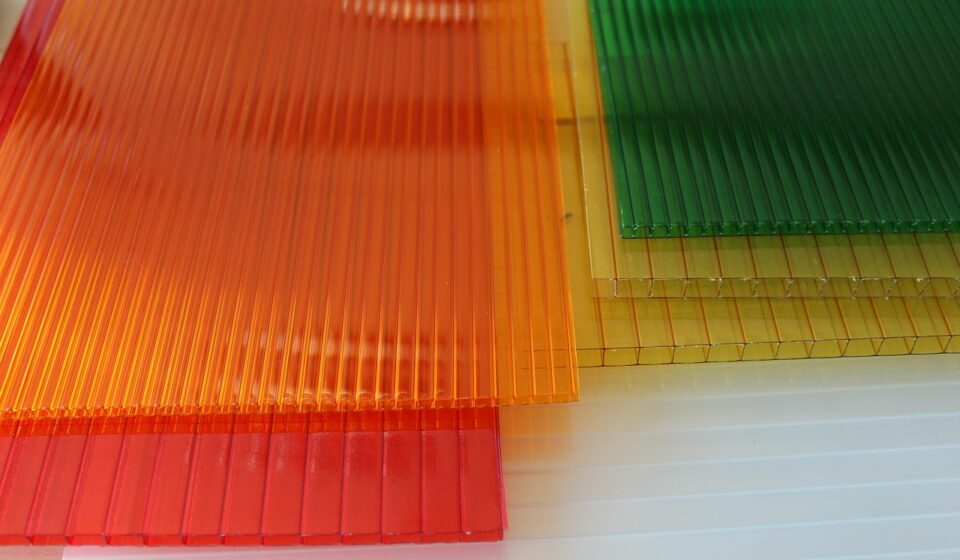
Why polycarbonate sheet is used across demanding applications
A polycarbonate sheet is typically specified when a project needs light transmission, impact resistance and lower weight than glass in the same component. It is not a universal substitute for glass, acrylic or metal, but it is a practical option for skylights, roofing, greenhouses, machine guards, protective glazing, signage, acoustic barriers and equipment covers.
The useful balance comes from the material itself. Polycarbonate is a transparent amorphous engineering thermoplastic with high toughness, good dimensional stability and workable thermal performance. For outdoor service, however, grade selection is critical. Standard polycarbonate can be affected by ultraviolet exposure and surface scratching, so exterior panels normally require UV-stabilized surfaces, coatings or coextruded protection.
For application comparison, the main question is not simply whether polycarbonate is strong. A better question is which sheet format, thickness, coating and compliance requirement fits the actual environment. More articles in this category can be found in Product Applications.
Main polycarbonate sheet formats and what they are used for
Polycarbonate sheet is sold in several formats, and each one changes the balance between stiffness, weight, clarity, insulation, cost and installation method. Selecting the format first helps avoid over-specifying a panel that is unnecessarily heavy or under-specifying one that cannot handle the load, span or exposure.
| Sheet format | Typical role | Key advantage | Main limitation to check |
|---|---|---|---|
| Solid polycarbonate sheet | Protective glazing, guards, flat windows, shields | High clarity and impact resistance | Surface scratching, thermal expansion and required thickness |
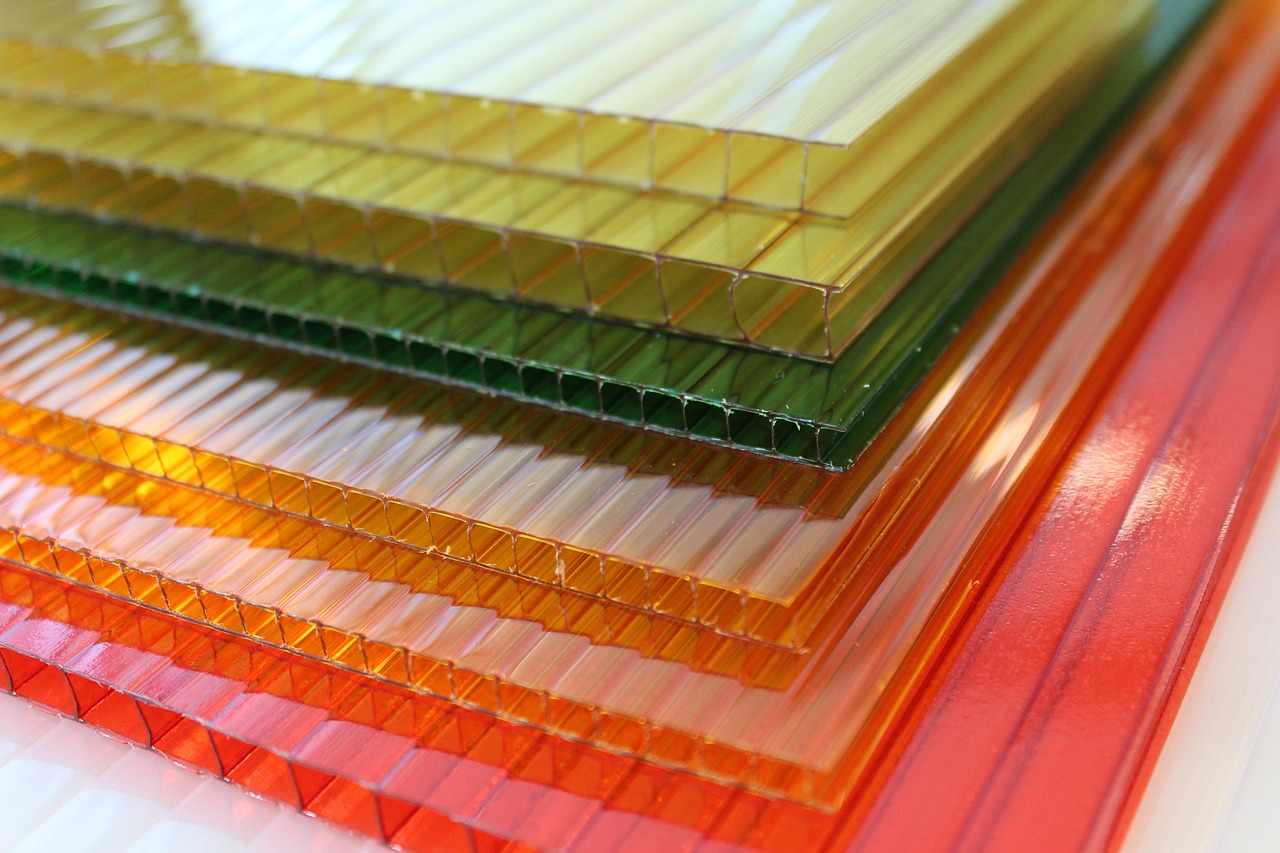
| Multiwall polycarbonate sheet | Skylights, greenhouses, daylighting panels | Lower weight and better insulation than solid sheet of similar area | Condensation control, edge sealing and span design |
| Corrugated or profiled sheet | Roofing, canopies, agricultural structures | Rigidity from profile shape and easier overlap installation | Fastener spacing, wind uplift and water sealing |
| Textured or embossed sheet | Privacy screens, diffusers, light panels | Light diffusion and reduced direct visibility | Lower optical clarity compared with clear solid sheet |
| Hard-coated sheet | High-touch glazing, transit panels, protective screens | Better abrasion resistance than uncoated polycarbonate | Cost and forming limits after coating |
Engineering references such as ASTM D3935-21 classify polycarbonate materials by measurable properties including impact strength, flexural modulus, tensile strength and deflection temperature. This matters because the word polycarbonate alone does not define a finished panel. Two sheets may share the same base polymer but differ in UV layers, flame ratings, colors, thicknesses, coatings and fabrication behavior.
Construction applications from skylights to protective glazing
Building and architectural uses are among the most common applications for polycarbonate sheet. The material is used in skylights, roof lights, covered walkways, canopies, atrium panels, interior partitions and protective glazing. In these areas, it competes with glass, acrylic, fiberglass-reinforced panels and metal roofing, depending on the project goal.
For skylights and daylighting, multiwall and profiled polycarbonate sheets are common because they transmit useful daylight while reducing panel weight. Multiwall structures also trap air in internal cells, improving insulation compared with a single solid panel of the same exposed area. This can be useful in green buildings, warehouses, sports facilities and public structures where daylight is required but the framing system must remain practical.
Protective glazing is a different use case. Solid polycarbonate sheet is preferred when transparency and impact resistance are more important than maximum scratch resistance. It can be used for guard windows, ticket counters, school and public facility glazing, security partitions and transparent barriers. Designers should still avoid describing polycarbonate as unbreakable. Actual performance depends on sheet thickness, support frame, fastening method, impact energy, temperature and material age.
For building projects, fire and code compliance must be verified at the assembly level. UL Solutions describes UL 94 as a small-scale flammability classification for plastic materials, not as a full building fire-resistance rating. That distinction is important. A panel with a useful material flammability rating may still require additional evaluation under local building codes, roof standards, smoke requirements or exterior wall assembly rules.
Agriculture and greenhouse applications
Greenhouse and agricultural structures use polycarbonate sheet where crops need controlled light, physical protection and stable interior conditions. Multiwall polycarbonate is especially common for greenhouse roofs and sidewalls because it combines light transmission with insulation and reduced weight. It also resists accidental impact from handling, hail of limited severity and daily operation better than brittle glazing materials.
In greenhouse design, maximum clarity is not always the only objective. Diffused light can reduce harsh shadows and distribute light more evenly inside the structure. For that reason, translucent, opal, textured or multiwall panels may be more useful than perfectly clear solid sheets in some agricultural settings. Anti-drip or condensation-control coatings may also be specified for roof panels to reduce water droplets falling onto plants, although performance depends on coating quality, roof pitch, humidity and maintenance.
Outdoor agricultural use also shows why UV protection is essential. Standard polycarbonate can yellow, haze or lose impact performance when exposed to sunlight over time. Commercial outdoor sheets are therefore commonly made with a UV-protected surface or coextruded UV layer. If the product has one-sided UV protection, the protected side must face outward during installation. Reversing the panel can shorten service life.
Thermal movement is another practical issue. Polycarbonate expands and contracts more than glass or metal. Greenhouse installers must allow for movement around fasteners, frames and joints. Oversized holes, compatible washers and manufacturer-recommended spacing are not minor details; they help prevent cracking, buckling and leaks during seasonal temperature changes.
Industrial safety, machine guards and equipment windows
Industrial applications use polycarbonate sheet where operators need visibility and protection at the same time. Examples include machine guards, inspection windows, equipment covers, conveyor shields, robotic cell panels, splash guards and test enclosures. The transparent sheet allows workers to monitor a process without opening the guard or standing close to moving parts.
One reason polycarbonate is valued in these applications is toughness under impact. OSHA hazard information has noted cases where replacing an original polycarbonate shield with a lower-impact transparent material created a safety concern. The broader lesson is that transparent plastics should not be interchanged casually. Acrylic, PETG and polycarbonate may look similar, but they do not behave the same under impact, chemical exposure or heat.
Machine guarding also requires attention to chemicals. Polycarbonate has many strengths, but it is not resistant to every solvent, cleaner or cutting fluid. Some chemicals can cause stress cracking, crazing or loss of transparency. In workshops, cleaning practice is often the weak point: abrasive cloths, strong solvents or incompatible sprays can damage the surface faster than normal use. Mild cleaners, soft cloths and approved maintenance methods help extend service life. See also: Buying Guides.
For high-abrasion areas, hard-coated polycarbonate may be considered. A coating can improve surface resistance to scratching, but it does not make the sheet equivalent to glass. Coated sheets may also have limits on cold bending, thermoforming or secondary fabrication. If the panel must be curved, drilled, routed or printed, fabrication requirements should be checked before the coating is chosen.
Transportation, acoustic and public infrastructure uses
Polycarbonate sheet is also used in transport-related and public infrastructure applications. Typical examples include vehicle glazing elements, headlamp lenses, protective partitions, bus stop panels, pedestrian barriers, sound barriers and outdoor signs. These uses depend on a mix of impact resistance, formability, optical performance and lower mass.
Automotive and transport components illustrate an important point: polycarbonate is not selected only as a flat sheet. It can be thermoformed, cold bent within limits, CNC machined, drilled, printed and bonded when the correct grade and process are used. This design flexibility allows curved covers, protective windows and shaped transparent panels that would be more difficult or heavier with glass.
For acoustic barriers and roadside panels, transparent or translucent polycarbonate can help maintain visibility and reduce the visual heaviness of a solid wall. The panel still needs engineering for wind load, acoustic target, frame support, UV exposure and vandalism risk. In public spaces, graffiti cleaning and abrasion resistance may be as important as initial optical clarity.
Signage and display applications are another practical category. Polycarbonate sheet can be used for illuminated signs, protective display faces, menu boards, light diffusers and retail fixtures. Compared with acrylic, polycarbonate generally offers better impact resistance, while acrylic often offers better inherent scratch resistance and optical polish. The right choice depends on whether the application faces impact, handling, public contact, frequent cleaning or premium optical requirements.
How to choose the right polycarbonate sheet for an application
A useful specification starts with the environment, not with the material name. The same polycarbonate family can serve a greenhouse roof, a machine shield and a sign face, but each use puts different demands on the panel.
- Define the main risk. Decide whether the panel must handle impact, weather, heat, chemicals, abrasion, flame behavior, light diffusion or insulation.
- Choose the sheet structure. Use solid sheet for clarity and protection, multiwall sheet for insulation and lightweight daylighting, and profiled sheet for roofing systems.
- Confirm UV protection. Exterior sheets should have UV stabilization or a protected surface suitable for the expected exposure.
- Check thickness and span. Load, deflection and impact performance depend strongly on thickness, frame design and support spacing.
- Allow for thermal expansion. Fasteners, joints and frames must permit movement without cracking or buckling.
- Review flame and code requirements. UL 94, ASTM, ISO or local building code references should be matched to the actual application, not used as generic marketing claims.
- Plan cleaning and maintenance. Avoid abrasive pads and incompatible solvents, especially on clear panels and guards.
The main mistake is treating polycarbonate sheet as one product. In practice, it is a material family. A UV-protected multiwall roof panel, a hard-coated machine guard and a clear solid glazing sheet may share the same base polymer but perform very differently in service.
Frequently asked questions
Is polycarbonate sheet better than acrylic sheet?
It depends on the application. Polycarbonate is usually preferred where impact resistance and toughness are priorities. Acrylic is often preferred where surface hardness, optical polish and scratch resistance are more important. For outdoor use, both materials need the correct grade and installation method.
Can polycarbonate sheet be used outdoors?
Yes, but outdoor use should involve UV-stabilized or UV-protected grades. Standard, unprotected polycarbonate can degrade under sunlight. If the sheet has one-sided UV protection, the protected side must be installed facing the sun.
Why is multiwall polycarbonate used for greenhouses?
Multiwall sheet combines light transmission, reduced weight and better insulation than a simple single-layer panel. It is also easier to handle on lightweight frames. Proper edge sealing and ventilation details are important to control dust, insects and condensation inside the channels.
Can polycarbonate sheet replace glass in safety glazing?
It can replace glass in some protective glazing applications, but the design must be engineered. Sheet thickness, frame engagement, impact requirement, fire rules and cleaning conditions all affect performance. It should not be described as a direct replacement in every situation.
What is the main limitation of polycarbonate sheet?
The main limitations are surface scratching, UV sensitivity in unprotected grades, chemical compatibility and thermal expansion. These issues can often be managed with coatings, UV layers, correct installation and suitable maintenance, but they should be considered before specification.
Conclusion
Polycarbonate sheet is valuable because it combines transparency, toughness, low weight and versatile fabrication. Its strongest application areas include construction daylighting, greenhouse panels, protective glazing, machine guards, transportation panels, acoustic barriers and signage. The right choice depends on matching sheet format and grade to the actual service conditions. When designers check UV protection, coating needs, thickness, code requirements, chemical exposure and installation details early, polycarbonate can provide a practical solution for applications where ordinary transparent materials may be too brittle, heavy or limited.