Expanded polystyrene applications in packaging, insulation and lightweight construction
Why expanded polystyrene is used across many plastic applications
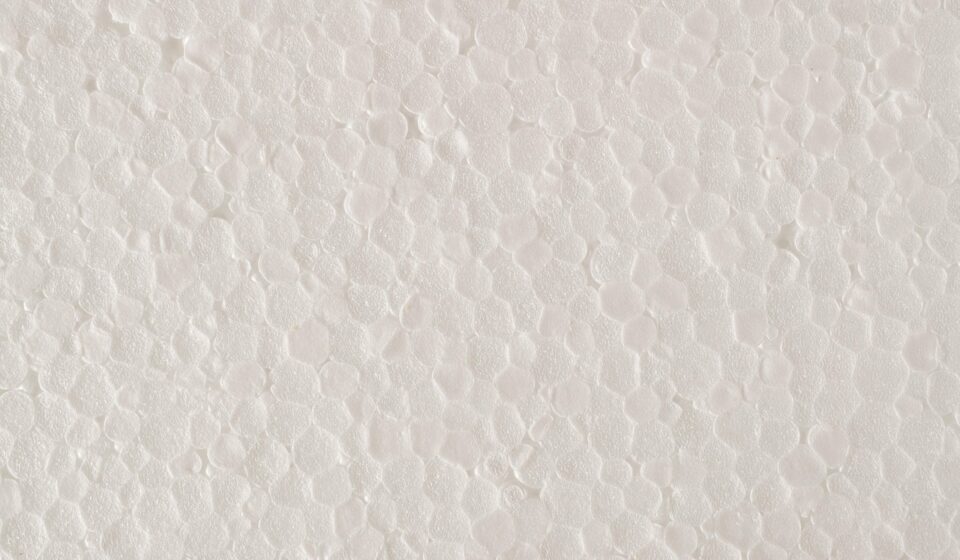
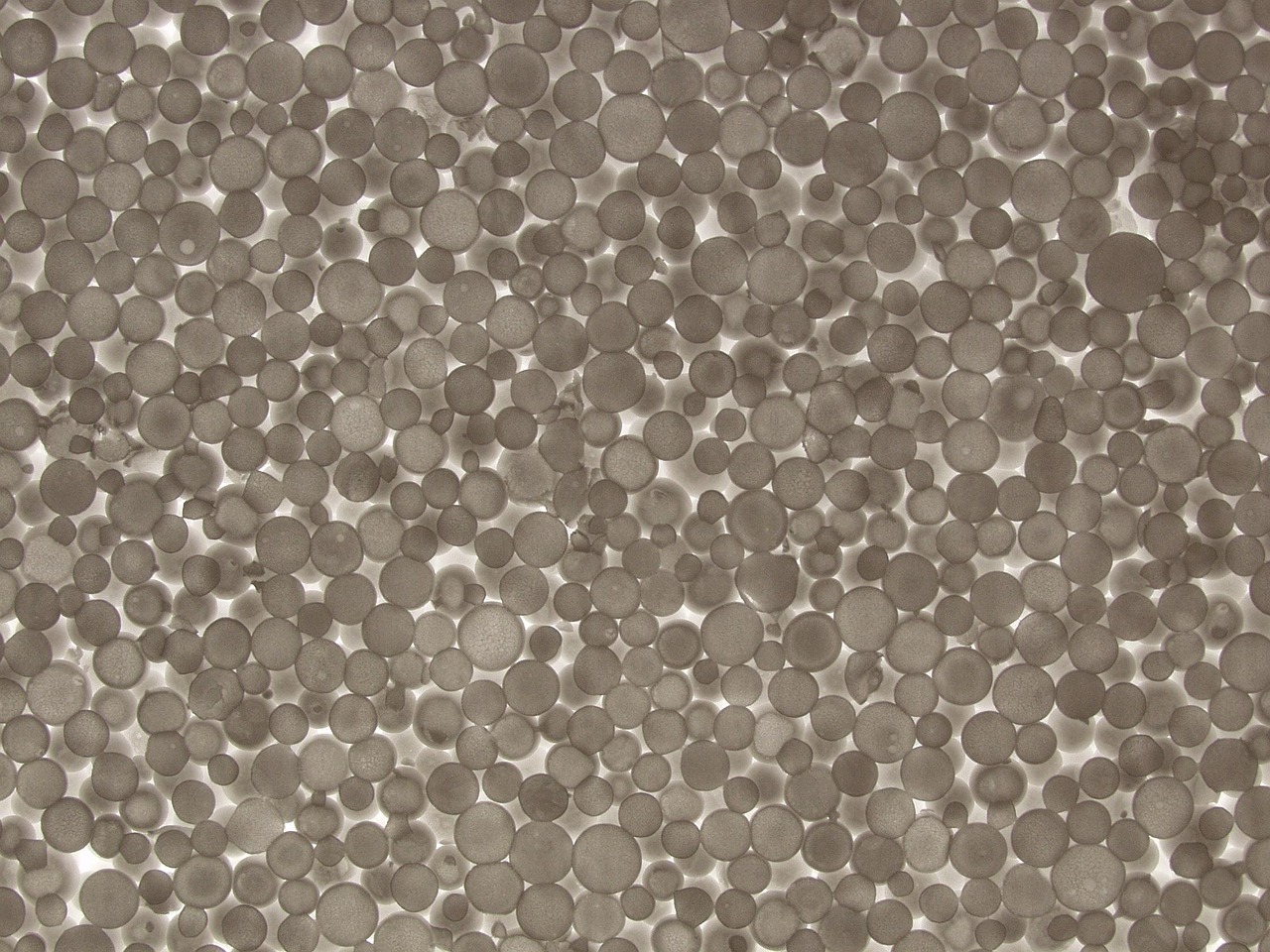
Expanded polystyrene is a lightweight cellular plastic used when a product or assembly needs impact protection, thermal insulation, shape flexibility or low installed weight. In packaging, it cushions appliances, electronics, food shipments, fish boxes and temperature-sensitive goods. In construction, it is used in insulation boards, insulated concrete forms, roof systems and lightweight fill. Its value comes from a simple structure: polystyrene cell walls hold a high volume of air, giving the material enough rigidity for handling while keeping it very light.
That same structure also defines its limits. EPS should be specified by density, compressive resistance, flame performance, moisture exposure, dimensional tolerance and local recycling options. It should not be treated as one universal foam for every packaging, building or civil engineering use.
For readers comparing plastic application choices, EPS sits between commodity packaging foam and engineered building insulation. More articles in this field can be found in the Product Applications section.
What EPS is and how its structure affects performance
EPS starts as expandable polystyrene beads. During processing, the beads are expanded with heat, aged and molded into blocks, sheets or shaped parts. Industry and environmental references commonly describe EPS as mostly air by volume, with the polymer forming the cell walls. This explains why EPS can be cut, molded and transported easily. It also explains why loose EPS takes up significant space in waste handling unless it is compacted or densified.
Its bead structure separates it from extruded polystyrene, often called XPS. Both are polystyrene foams, but EPS is made by expanding and molding beads, while XPS is formed by extrusion into a more continuous foam board. That difference matters when specifying insulation design, edge finishing, surface texture, water exposure and compressive load. EPS should also not be confused with generic foam packaging or with the trademarked name often used casually for polystyrene foam products.
The material is usually selected for four practical properties:
- Low density: useful for reducing package weight, floating structures and lightweight fill.
- Cushioning: molded EPS can absorb shock and protect products during transport.
- Thermal resistance: still air trapped in the cells helps slow heat transfer.
- Moldability: EPS can be shaped into trays, corner pads, boxes, insulation panels and complex forms.
These advantages are strongest when the application is dry, mechanically predictable and designed around the grade of EPS being used. They become weaker when the foam is exposed to incompatible solvents, excessive heat, direct flame, poor installation practice or waste systems that cannot recover low-density foam efficiently.
Packaging applications for protection and temperature control
Packaging is one of the most visible uses of EPS. The material is common in protective cushions for appliances, televisions, consumer electronics, furniture components, precision instruments and other goods that can be damaged by vibration or impact. Molded EPS inserts can be designed to support a product at corners, edges or high-load points instead of filling the entire carton with foam. This helps packaging engineers balance cushioning performance, material use and box size.
EPS also plays an important role in cold-chain and food-related packaging. Fish boxes, chilled produce containers, meal distribution packs and insulated shipping boxes use EPS because it helps maintain temperature and resists water during short distribution cycles. Pharmaceutical and laboratory shipments may use EPS coolers as part of a validated packaging system, but the foam is only one component. Gel packs, dry ice compatibility, outer cartons, shipment duration, ambient temperature profile and handling conditions must all be verified for the specific route and product.
In packaging, EPS is rarely selected only because it is cheap. It is selected when the combined requirement is low weight, reliable cushioning and insulation. Packaging designers also need to consider criticism of single-use foam, local foam restrictions, retailer packaging rules and end-of-life logistics. In markets where foam food-service containers or loose-fill packaging are restricted, reusable transport packaging, molded pulp, corrugated structures or paper-based thermal packs may be considered, depending on the required performance.
| Packaging use | Why EPS is used | Main design check |
|---|---|---|
| Electronics and appliances | Cushioning and molded support | Drop testing, vibration and fit |
| Fish and chilled food boxes | Temperature control and moisture resistance | Food-contact compliance and cold-chain duration |
| Pharmaceutical coolers | Insulation at low weight | Validated thermal performance, coolant and transit profile |
| Industrial parts packaging | Impact protection for irregular shapes | Load points, abrasion and reuse potential |
Building and insulation applications
In construction, EPS is used as rigid foam insulation in walls, roofs, floors, foundations and building envelope systems. It can also be used in insulated concrete forms, structural insulated panels, exterior insulation and finish systems, and below-slab or perimeter insulation when the grade is suitable. The main function is to reduce heat flow through the building envelope. EPS also provides low weight and can be cut on site with relatively simple tools.
Building insulation requires more formal specification than most packaging applications. ASTM C578 is widely referenced for rigid cellular polystyrene thermal insulation and covers types and physical properties for EPS and XPS insulation boards. Designers typically review thermal resistance, compressive resistance, density, water absorption, dimensional stability and intended exposure conditions. A roof system, below-grade wall and interior cavity insulation do not impose the same loads or moisture risks, so one EPS board should not be assumed to suit every use.
Fire performance is a critical limitation. Model building codes such as the International Building Code generally require foam plastic insulation to be separated from building interiors by an approved thermal barrier, with exceptions depending on assembly testing and use conditions. This is not a minor installation detail. EPS should be evaluated as part of a tested wall, roof or floor assembly, not only as a standalone board. Local codes, fire classifications, flame spread and smoke development requirements, and manufacturer installation instructions should be reviewed before use.
Moisture management also matters. EPS is often used successfully in exterior and below-grade assemblies, but durability depends on the correct grade, drainage, protection boards, facer materials and detailing. If the design depends on vapor control, rain-screen behavior or below-grade drainage, EPS should be considered one layer in the assembly rather than a complete moisture solution.
Lightweight construction, civil engineering and flotation uses
EPS is not limited to packaging and insulation. Civil engineering uses include lightweight fill for roads, bridge approaches, embankments, retaining structures and landscaping where reducing dead load is more important than adding mass. In these applications, EPS blocks can help limit settlement over weak soils or reduce lateral pressure behind retaining walls. The material must be protected from fuel, certain solvents, excessive heat and physical damage, and the project engineer must specify compressive behavior under long-term load.
Geofoam is a specialized form of EPS used in engineered earthworks. It can be placed quickly, cut to fit and stacked to build volume without the weight of soil or aggregate. This makes it useful on sites with soft ground, underground utilities or structures that cannot accept high additional loads. The main design question is not whether EPS is light; it is whether the selected grade, protective layers and drainage design fit the load case.
Flotation is another application area. EPS can provide buoyancy in pontoons, docks, marina components and floating platforms. Because raw foam can be damaged by abrasion, fuels, UV exposure and marine conditions, flotation applications often use encapsulated or otherwise protected EPS rather than exposed blocks. Regulations and project specifications may require containment to prevent foam fragmentation in waterways.
EPS beads or granules are also used in some lightweight concrete and plaster systems. These blends can reduce density and improve insulation compared with conventional mineral aggregate mixes, but they also change strength, surface finish, fire behavior and workmanship requirements. As with other EPS uses, the application is strongest when the performance target is clear and the mix or assembly has been tested for that target.
How to select EPS for a specific application
Specifying EPS begins with the application, not the material name. A molded corner pad for a washing machine, a flat roof insulation board and a geofoam block may all be EPS, but they are not interchangeable. The selection process should connect the grade to the load, environment, regulatory requirement and end-of-life plan. See also: Buying Guides.
Mechanical and dimensional requirements
For packaging, the main mechanical questions are drop height, product weight, fragility, number of handling cycles and carton design. For construction, the questions shift to compressive resistance, creep under long-term load, fastener compatibility, facer performance, wind uplift in roofing and dimensional stability. For civil engineering, sustained loads and soil interaction become central.
Thermal requirements
EPS is useful when insulation value matters, but published thermal values vary by product type, density and test method. Designers should rely on supplier datasheets and relevant standards rather than using a generic R-value from a non-project source. In cold-chain packaging, insulation performance should be validated under the expected time and temperature profile, especially for pharmaceuticals, seafood, frozen food and laboratory samples.
Chemical and environmental exposure
EPS can be affected by many organic solvents, fuels and some adhesives. It should be paired with compatible coatings, sealants, tapes and membranes. Outdoor exposure may require protection from sunlight, wind, animals or mechanical damage. In building and civil works, the foam should be covered, encapsulated or integrated into an assembly according to project requirements.
Compliance and documentation
For construction products, the documentation package may include standard compliance, building code evaluation reports, fire test data, environmental product declarations or third-party certifications. For food and pharmaceutical packaging, regulatory and hygiene documentation may be more important than compressive strength. For export packaging, recyclability marks and customer packaging policies may influence the design.
Recycling and end-of-life considerations
EPS is technically recyclable, but practical recovery depends heavily on cleanliness, logistics and local infrastructure. Because EPS is very light and bulky, transporting loose foam can be inefficient. Recycling programs often require clean, dry material and may rely on densifiers that compact foam into heavier blocks for shipment. This is why some industrial packaging streams are easier to recover than mixed household foam waste.
Municipal guidance in the United States varies widely. The U.S. Environmental Protection Agency advises consumers to follow local recycling instructions, and many local programs distinguish between rigid plastics accepted curbside and polystyrene foam that requires drop-off or special collection. Food contamination is a common barrier. A clean appliance cushion from a distribution center is much easier to recycle than a greasy food-service container from a public bin.
For business users, the best end-of-life strategy is usually designed before packaging is launched. Options include:
- Reducing EPS volume through molded design rather than oversized blocks.
- Using mono-material packaging where possible to simplify sorting.
- Creating return or take-back flows for high-volume industrial customers.
- Separating clean EPS at warehouses, retailers or installation sites.
- Checking local foam bans or restrictions before selecting single-use EPS packaging.
In building applications, EPS may remain in service for decades, so the sustainability discussion is different from single-use packaging. Energy savings from insulation, assembly durability, fire and moisture design, and eventual demolition sorting all need to be considered. A balanced assessment should compare the full application, not only the material name.
When EPS is a good fit and when alternatives may be better
EPS is a good fit when a design needs low weight, cushioning, insulation, buoyancy or lightweight fill at a predictable cost and with manageable exposure conditions. It is especially useful for molded protective packaging, insulated shipping boxes, rigid insulation boards and geofoam blocks. It becomes less attractive when the product is exposed to solvents, high heat, open flame, heavy abrasion, repeated public litter risk or recycling systems that cannot handle foam.
Alternatives include molded pulp, corrugated paper systems, honeycomb boards, polyethylene foam, polyurethane foam, mineral wool, PIR insulation, XPS and reusable plastic containers. None is automatically better in every application. Molded pulp may improve paper-stream compatibility but can add weight or reduce moisture resistance. XPS may offer a different board structure but is still a plastic foam. Mineral wool may offer fire advantages in some building assemblies but differs in weight, water handling and compressive behavior. The right comparison is application-specific.
For procurement teams, the most useful question is not simply whether EPS is sustainable or unsustainable. A better question is: what performance must the material deliver, how long will it remain in use, how will it be collected or protected, and what local rules apply? That approach leads to more reliable material decisions than a generic foam-versus-non-foam debate.
Frequently asked questions
Is expanded polystyrene the same as Styrofoam?
Not exactly. Expanded polystyrene is the generic material name. Styrofoam is a trademarked name that is often used casually for polystyrene foam, but not every EPS product is that branded material.
Can expanded polystyrene be recycled?
Yes, EPS can be recycled when it is clean and collected through a suitable program. The challenge is practical rather than purely technical: loose EPS is bulky and light, so many curbside systems do not accept it unless special collection or densification is available.
Is EPS suitable for building insulation?
Yes, EPS is widely used as rigid foam insulation, but the board must match the application and code requirements. Designers should check standard compliance, compressive resistance, thermal performance, fire separation, moisture exposure and assembly testing.
Why is EPS used in cold-chain packaging?
EPS is used because its cellular structure provides insulation at low weight and can be molded into boxes or liners. For regulated or temperature-sensitive goods, the full package must still be validated with coolants, transit time and expected ambient temperatures.
What are the main limitations of EPS?
Main limitations include sensitivity to certain solvents and fuels, the need for fire-safe design in buildings, potential fragmentation if unprotected outdoors, and limited recycling access in some regions. These issues can often be managed, but they should be addressed during design rather than after use.