PP polymer selection guide for properties, grades and applications

What PP polymer is and why it is widely specified
PP polymer, or polypropylene, is a semi-crystalline thermoplastic specified when a part needs low density, useful chemical resistance, efficient processing and a balanced cost position. It is widely used in packaging, housewares, automotive interiors, appliances, fibers, medical components and industrial parts. The real selection question is not simply whether polypropylene is “good,” but whether the chosen PP grade fits the required stiffness, impact strength, heat exposure, chemical environment, appearance and recycling target. Public technical references such as PubChem and materials databases generally place polypropylene density around 0.90 to 0.92 g/cm³ and its melting point near 160–170°C, although commercial grades vary by molecular structure, comonomer content and additives.
For related material selection topics, Minle groups additional guidance in its Polymer Selection category.
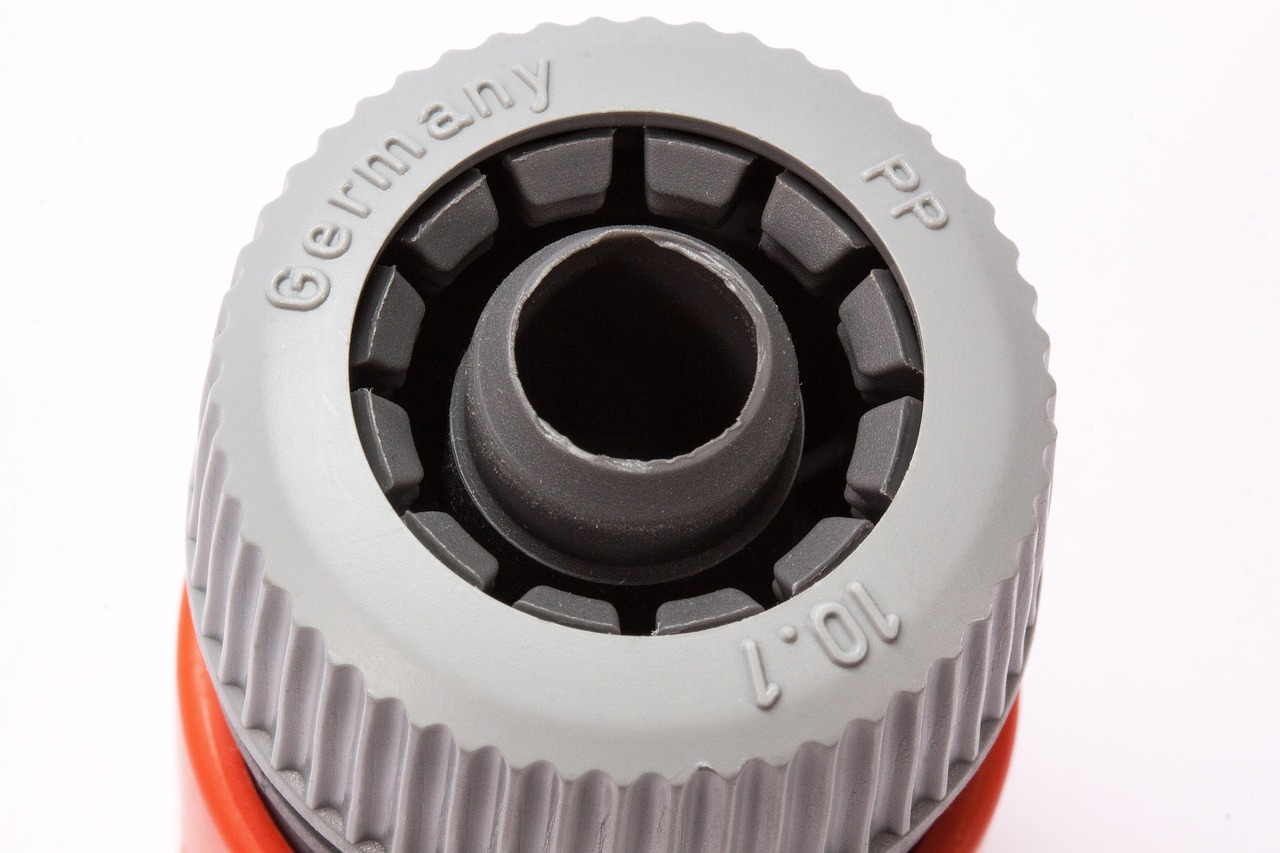
Polypropylene belongs to the polyolefin family, alongside polyethylene. It is made from propylene monomer and can be processed by injection molding, extrusion, blow molding, thermoforming, fiber spinning and film production. Its popularity comes from its position in the middle of the plastics market: lighter than many commodity plastics, stiffer than many polyethylene grades, more heat resistant than low-density polyethylene, and usually easier to process than higher-performance engineering polymers.
PP should not be treated as one material with one fixed behavior. Homopolymer PP, random copolymer PP, impact copolymer PP, glass-filled PP and recycled PP can perform very differently in the same application. For specification work, “PP polymer” is best understood as a material family rather than a single grade.
Key properties that shape PP polymer selection
Low density and useful stiffness
One of polypropylene’s most practical advantages is its low density. At roughly 0.90–0.92 g/cm³, PP is lighter than water and lighter than many common engineering plastics, including ABS, polycarbonate, nylon and acetal. This matters in packaging, automotive components and consumer products where weight reduction affects shipping cost, fuel efficiency, handling or user convenience.
PP also provides useful rigidity for caps, closures, containers, battery cases, appliance parts and molded housings. Homopolymer PP is generally the stiffest common PP type, while copolymer grades trade some stiffness for impact performance or clarity. Fillers such as talc can increase stiffness and dimensional stability. Glass fiber reinforcement can significantly improve mechanical strength and heat resistance. These upgrades also affect processing behavior, surface finish, warpage risk and recyclability, so they should be considered as part of the whole part design.
Heat performance and dimensional limits
Polypropylene has a higher melting point than most polyethylene grades, which supports its use in hot-fill packaging, microwaveable containers, dishwasher-safe housewares and some under-hood or interior automotive parts. Melting point, however, is not the same as continuous service temperature. A PP part can soften, creep or distort under load well below its melting point, especially when wall sections are thin or the design carries mechanical stress.
For selection work, heat deflection temperature, creep resistance, load level and exposure time are more useful than melting point alone. Filled and reinforced PP grades can improve dimensional stability, but they may reduce impact toughness or create surface appearance issues. When a part will see both heat and load, designers should request grade-specific data sheets and test the actual geometry instead of relying only on generic PP values.
Chemical resistance and environmental exposure
PP is often chosen for containers, labware, chemical packaging and industrial components because it resists many acids, bases and polar solvents. It also has low moisture absorption compared with many engineering polymers, which helps dimensional stability in humid environments. These strengths do not mean polypropylene is resistant to every chemical. Strong oxidizers, some hydrocarbons and elevated-temperature exposure can cause swelling, embrittlement or stress cracking, depending on the grade and service conditions.
Outdoor exposure is another important limitation. Unstabilized polypropylene has poor resistance to prolonged sunlight, and ultraviolet radiation can accelerate surface cracking and embrittlement. Outdoor PP parts normally need UV stabilizers, carbon black, pigments or protective design measures. Even then, long-term outdoor applications should be validated by weathering tests that match the intended geography and service life.
Main PP grades and how they differ
The grade name matters because it signals the balance of stiffness, impact behavior, clarity and processing. The table below summarizes common PP polymer options used in specification discussions.
| PP type | Typical strengths | Common trade-offs | Frequent uses |
|---|---|---|---|
| Homopolymer PP | Higher stiffness, good heat resistance, good processability | Lower low-temperature impact resistance than impact copolymer grades | Caps, closures, housewares, sheet, fibers, rigid packaging |
| Random copolymer PP | Better clarity, improved flexibility, good sealability in some grades | Usually lower stiffness and heat resistance than homopolymer PP | Transparent containers, medical packaging, films, consumer goods |
| Impact copolymer PP | Improved toughness, especially at lower temperatures | Less clarity and often lower stiffness than homopolymer PP | Automotive parts, crates, pails, appliance components, durable packaging |
| Filled PP | Improved stiffness, reduced shrinkage, better dimensional stability | Higher density, reduced impact in some formulations, possible surface limits | Automotive trim, appliance parts, furniture, industrial housings |
| Glass-reinforced PP | Higher strength and heat deflection performance | More abrasive processing, possible warpage, lower surface smoothness | Structural molded parts, brackets, technical components |
| Recycled PP | Lower virgin resin demand, potential cost and sustainability advantages | Greater variability in color, odor, melt flow, contamination and mechanical performance | Non-food packaging, automotive parts, household goods, industrial products where qualified |
This table is a starting point, not a substitute for testing. Two grades with the same broad label can have different melt flow rates, nucleation packages, antioxidant systems, slip additives, colorants and regulatory approvals. For example, a high-flow injection molding grade may fill thin sections well but may not provide the toughness needed for a hinged or load-bearing component.
Where PP polymer works well
PP works well in applications where low weight, chemical resistance and efficient molding are more important than high transparency, extreme temperature performance or premium surface gloss. Packaging is one of its largest use areas. Yogurt cups, tubs, caps, closures, food containers and living hinges often rely on polypropylene because it can deliver adequate stiffness with low material weight.
Automotive applications are another major area. PP compounds are widely used in interior trim, bumper systems, battery cases, instrument panel components and underbody parts. In these uses, resin selection often focuses on impact performance, scratch resistance, dimensional stability, odor, emissions and paintability. Talc-filled and elastomer-modified PP compounds are common because neat PP alone may not meet stiffness or impact requirements.
In medical and laboratory settings, polypropylene is used for syringes, specimen containers, pipette tips, trays and sterilizable items, depending on the grade and regulatory status. Selection here must include extractables, sterilization method, biocompatibility and supplier documentation. A generic PP description is not enough for medical qualification.
Fibers and nonwovens are also important PP applications. PP’s low density and moisture resistance support use in hygiene products, filtration media, geotextiles, carpets and reusable bags. In film and sheet, PP may be selected for clarity, heat resistance, seal properties or stiffness, particularly when biaxially oriented polypropylene film is used for packaging.
Where PP is not the right default
Polypropylene has limits that can make another polymer a better choice. If the part requires high clarity and toughness together, polycarbonate, PET or clarified copolyester may be considered, depending on chemical exposure and regulatory needs. If the part must perform under sustained high temperature or high load, engineering polymers such as nylon, PBT, PPS or PEEK may be more appropriate, although they bring higher cost and processing demands. See also: Buying Guides.
PP is also not the easiest polymer for bonding, printing or painting. Its low surface energy can make adhesion difficult without flame treatment, corona treatment, plasma treatment, primers or specially modified formulations. This is important for labels, coatings, structural bonding and decorated consumer products.
Low-temperature impact is another common selection issue. Standard homopolymer PP can become brittle in cold conditions. Impact copolymer PP improves this behavior, but the exact performance depends on temperature, wall thickness, notch sensitivity and impact speed. Cold-chain packaging, outdoor bins and winter automotive parts should be validated with relevant drop, impact and aging tests.
Finally, PP can creep under long-term load. A snap-fit that works in a short assembly test may relax over months. A bracket that looks stiff at room temperature may deform under heat and stress. These are design issues as much as material issues, and they require testing beyond the initial data sheet.
Recycling and recycled PP considerations
Polypropylene is identified as resin identification code 5. In the United States, public guidance from the Environmental Protection Agency emphasizes that a resin code identifies plastic type but does not guarantee that an item is accepted by a local recycling program. Acceptance depends on local collection rules, sorting capability, market demand, contamination level and product format.
Mechanical recycling of PP is technically established, but recycled PP quality can vary. Color, odor, melt flow rate, residual additives, contamination and prior heat history can affect performance. A 2023 ISO standard, ISO 5677:2023, addresses testing and characterization of mechanically recycled polypropylene and polyethylene in granular or pellet form for intended processing techniques. For buyers, the practical message is clear: recycled PP should be specified with measurable requirements, not only with recycled-content language.
Typical qualification checks include melt flow rate, density, ash or filler content, tensile properties, flexural modulus, impact strength, color, odor, volatile content and contamination screening. For food-contact, medical or regulated applications, recycled PP needs a much stricter approval path and may not be suitable without verified compliance.
Recycling should also influence part design. Mono-material PP designs are easier to sort and recycle than assemblies combining PP with metal inserts, incompatible plastics, adhesives, foams or coatings. Clear marking, removable labels and reduced dark pigments can support better recovery, although local recycling infrastructure remains a decisive factor.
Practical PP polymer selection checklist
A good PP specification starts with the application, not the resin family name. The following checklist can help narrow the decision before detailed testing:
- Define the function: Is the part structural, decorative, flexible, hinged, sealed, transparent or impact resistant?
- Set the temperature range: Include processing, storage, shipping, cleaning, sterilization and service exposure.
- Check the load case: Consider short-term impact, long-term creep, snap-fit strain and vibration.
- List chemical exposures: Include cleaners, oils, foods, fuels, cosmetics, acids, bases and disinfectants.
- Confirm appearance requirements: Color, gloss, clarity, texture, scratch resistance and printability may control the grade choice.
- Specify processing method: Injection molding, extrusion, thermoforming, blow molding and fiber spinning require different melt flow and formulation choices.
- Review regulatory needs: Food contact, medical, automotive, electrical and toy applications may require specific declarations or testing.
- Plan for end of life: Consider resin identification, mono-material design, recycled content and local recycling acceptance.
For most industrial selections, the best route is to compare two or three candidate grades under the same processing and test conditions. Generic property tables are useful for screening, but they cannot fully predict weld-line strength, warpage, hinge life, odor, color stability or long-term aging in a real product.
Frequently asked questions
Is PP polymer the same as polypropylene?
Yes. PP is the standard abbreviation for polypropylene. In technical purchasing, “PP polymer” usually refers to the polypropylene resin family, including homopolymer, copolymer, filled, reinforced and recycled grades.
Is PP stronger than polyethylene?
It depends on the grade and the type of strength being compared. PP is often stiffer and has better heat resistance than many polyethylene grades, while polyethylene may offer better low-temperature toughness or environmental stress crack resistance in certain applications. The correct comparison should use grade-specific data and the actual service conditions.
Can PP polymer be used outdoors?
Yes, but outdoor PP normally needs UV stabilization and validation testing. Unstabilized polypropylene can degrade under prolonged sunlight, leading to embrittlement, chalking or cracking. Outdoor bins, furniture, automotive parts and construction components should use grades designed for weather exposure.
Is polypropylene recyclable?
Polypropylene is resin identification code 5 and can be mechanically recycled where collection, sorting and market demand exist. The code does not automatically mean a local program accepts the item. Part design, contamination, color and product format all affect practical recyclability.
When should a designer avoid PP?
Designers should be cautious with PP when the application requires high-temperature structural performance, easy adhesive bonding, premium optical clarity, long-term outdoor exposure without stabilization, or excellent low-temperature impact from a standard homopolymer grade. In those cases, modified PP grades or alternative polymers should be evaluated.