Thermoplastic and thermosetting plastic care and storage guide

Quick answer for material handling
Thermoplastic and thermosetting plastic differ mainly in how they respond to heat, pressure, and curing. A thermoplastic can soften when heated and harden again when cooled, so many grades can be melt processed, reshaped, welded, or handled through mechanical recycling routes. A thermosetting plastic cures into a more permanent crosslinked network and generally does not melt back into a flowable material after curing.
For care and storage, that difference matters. Thermoplastics need closer control of heat, load, solvents, moisture, and deformation. Thermosets need protection from impact, UV exposure, chemical attack, incomplete cure issues, and surface cracking. The safest starting point is to identify the material family, check the supplier data sheet where available, and store plastics in clean, cool, dry, low-light conditions.
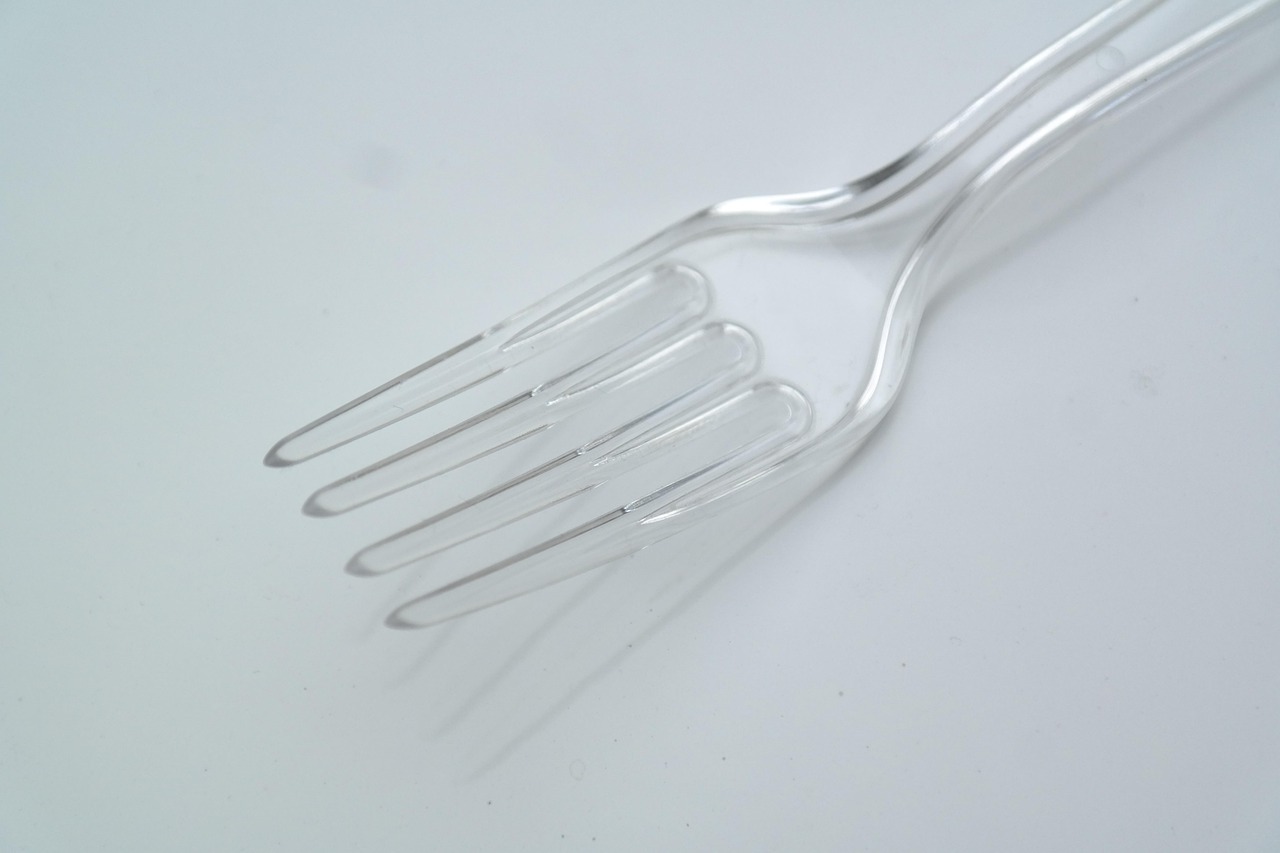
This guide is written for buyers, warehouse teams, fabricators, collectors, and technical readers who need practical handling guidance rather than a chemistry lecture. For more material maintenance topics, see the care and storage category.
How the two plastic families behave
Industry terminology sources such as ASTM D883 and ISO 472 define plastics by behavior as well as composition. In plain language, thermoplastics are materials that can be softened through a characteristic temperature range and shaped by flow. Thermosetting materials are designed to cure into an infusible or substantially insoluble state. NIST also describes thermoset plastics as materials hardened into a permanent shape during manufacturing and not commonly softened by heating.
The difference comes from polymer structure. Many thermoplastics consist of long polymer chains that are not permanently crosslinked in the same way as cured thermosets. Heat gives the chains enough mobility to soften or melt, depending on the polymer. Once cooled, the material solidifies again. Common examples include polyethylene, polypropylene, polystyrene, polycarbonate, acrylic, nylon, ABS, PET, PVC, PEEK, and many thermoplastic elastomers.
Thermosetting plastics start as reactive resins or compounds that cure by heat, catalyst, radiation, moisture, or chemical reaction. During cure, the material forms crosslinks that make the final part more dimensionally stable at elevated temperature than many commodity thermoplastics. Examples include epoxy, phenolic, melamine formaldehyde, urea formaldehyde, unsaturated polyester, vinyl ester, many polyurethane systems, and silicone thermosets.
These categories are useful, but they are not enough for final storage decisions. A filled nylon, flexible PVC, glass-fiber-reinforced epoxy laminate, and phenolic electrical component can age in very different ways. Additives, fillers, pigments, plasticizers, flame retardants, reinforcement, residual monomers, and processing history may matter as much as the family name.
Care risks that are more common with thermoplastics
Thermoplastics are often selected because they process efficiently and can offer toughness, light weight, chemical resistance, clarity, flexibility, or low cost. Their care risks usually relate to heat softening, creep, moisture, solvent sensitivity, and surface wear.
Heat and permanent deformation
Because thermoplastics soften as temperature rises, they should not be stored near heaters, hot process equipment, direct sunlight through windows, vehicle interiors, or roofs that reach high temperatures in summer. Even below the melting point, some materials can creep under load. Thin sheets, rods, molded housings, and precision machined parts may warp if stacked unevenly or clamped for long periods.
Storage racks should support the full length of sheets and profiles. Heavy items should not rest on small contact points. Transparent materials such as acrylic and polycarbonate should be separated with clean, soft interleaving to reduce scratching.
Moisture-sensitive resins
Not all thermoplastics absorb water in the same way. Polyethylene and polypropylene are generally low-moisture materials, while nylon, polycarbonate, PET, PBT, ABS, TPU, and many engineering resins may require drying before processing. Resin-drying references from equipment suppliers commonly distinguish surface moisture from absorbed moisture inside hygroscopic pellets. If wet pellets are processed, moisture can contribute to splay, bubbles, poor appearance, molecular degradation, or weaker molded parts, depending on the resin.
For storage, keep resin bags, boxes, and containers sealed until use. Once opened, reseal them promptly or transfer material into clean, labeled, moisture-resistant containers. Do not assume that a pellet that looks dry is ready for molding, extrusion, or 3D printing. Processors should follow the resin supplier’s drying temperature, dew point, and time recommendations.
Solvents and stress cracking
Some thermoplastics are vulnerable to environmental stress cracking when mechanical stress and chemical exposure occur together. The visible result can be fine cracking, whitening, crazing, or sudden brittle failure. Amorphous thermoplastics such as acrylic, polystyrene, polycarbonate, and some ABS grades can be especially sensitive to incompatible cleaners, alcohols, oils, adhesives, or aromatic solvents.
Cleaning should start with the least aggressive method: dry dusting with a soft cloth, followed by mild soap and water if compatible. Solvent wiping should not be routine unless the exact plastic and solvent compatibility are known.
Care risks that are more common with thermosetting plastics
Thermosets are often chosen when a part needs dimensional stability, electrical insulation, heat resistance, chemical resistance, or a rigid molded structure. Their cured network gives them advantages in demanding applications, but it also changes their care profile.
Impact, brittleness, and cracks
Many thermosets are hard and dimensionally stable, but some are more brittle than flexible thermoplastics. Phenolic, melamine, urea formaldehyde, and some highly filled epoxy parts can chip, crack, or fracture when dropped. Storage bins should prevent point impacts, vibration, and edge-to-edge contact between hard molded parts.
For older thermoset parts, inspect corners, screw bosses, drilled holes, and thin ribs. Cracks may not be repairable by reheating because the cured material cannot simply be melted back together. Mechanical repair, adhesive bonding, or replacement may be the only practical options.
Cure state and chemical residues
A fully cured thermoset behaves differently from a partly cured or poorly mixed resin system. Uncured or undercured resin may remain tacky, release odor, stain packaging, or react with nearby surfaces. This is especially important for castings, coatings, laminates, and composite parts that leave production before complete cure or post-cure. See also: Buying Guides.
Do not wrap freshly cured resin parts tightly before they have cooled and stabilized according to the supplier’s recommendations. If odor, tackiness, or soft spots are present, isolate the item, avoid skin contact, and review the material safety data sheet or supplier instructions.
UV and surface oxidation
Thermosets do not melt like thermoplastics, but they still degrade. UV exposure, oxygen, heat, and moisture can contribute to chalking, yellowing, embrittlement, gloss loss, and surface cracking. The Canadian Conservation Institute’s guidance for plastic and rubber objects emphasizes control of light, oxygen, humidity, and temperature because many plastics deteriorate through oxidation and hydrolysis.
Long-term storage should limit light exposure even when the plastic feels hard and heat-resistant. Opaque bins, cartons, covered racks, and UV-filtered storage areas reduce unnecessary exposure.
Storage conditions that help both families
The most reliable general storage rule is simple: keep plastics clean, cool, dry, supported, labeled, and away from unnecessary light. This does not replace a supplier data sheet, but it reduces avoidable damage across many material types.
- Control temperature. Avoid high heat, freezing and thawing cycles where condensation may occur, and rapid swings that can stress assemblies made from more than one material.
- Limit light. Store plastic materials away from direct sunlight and strong UV sources. Light can accelerate fading, yellowing, oxidation, and embrittlement.
- Keep materials dry. Protect pellets, sheets, rods, films, and molded parts from liquid water, high humidity, roof leaks, and condensation.
- Prevent contamination. Keep packaging closed. Separate plastics from oils, solvents, dust, metal chips, wood splinters, adhesives, and incompatible rubbers.
- Support the geometry. Store flat sheets flat, tubes in cradles, flexible films on suitable cores, and heavy parts without point loading.
- Separate unknown materials. If a plastic gives off odor, feels sticky, weeps liquid, or leaves deposits, isolate it from other parts until identified.
- Use clear labels. Record resin name, grade, batch, date received, drying history, color, additives, and any special restrictions.
For plastic storage containers used around documents, collections, or sensitive items, the Library of Congress and National Archives commonly point to polyethylene, polypropylene, polyester, and acrylic as stable choices when they are uncoated and free from problematic additives. That does not mean every container is suitable for every plastic object, but it is a useful reminder that packaging materials can interact with stored goods.
Comparison table for care decisions
| Care factor | Thermoplastic tendency | Thermosetting plastic tendency | Practical storage action |
|---|---|---|---|
| Heat response | Can soften, melt, warp, or creep depending on grade and temperature | Usually keeps shape until degradation or charring, but may still crack or age | Avoid heat sources and check service temperature limits |
| Rework potential | Many grades can be welded, reshaped, or remelted under controlled conditions | Cured parts generally cannot be remelted into flowable material | Do not rely on heat repair for thermoset parts |
| Moisture sensitivity | Varies widely; several engineering thermoplastics absorb moisture and need drying | Some resin systems and composites can be affected by moisture before or after cure | Keep sealed, dry, and process according to supplier instructions |
| Cleaning risk | Solvent stress cracking and scratching can be significant | Hard surfaces may resist some chemicals but can stain, dull, or crack | Use mild cleaning first and test compatibility |
| Mechanical risk | Creep, denting, scratching, and deformation under load | Chipping, brittleness, and fracture in rigid grades | Use padding, dividers, and full support |
| Long-term exposure | UV, heat, oxygen, and additives can change color and properties | UV, oxidation, hydrolysis, and residual cure issues can cause aging | Store in low light with stable temperature and humidity |
How to identify the material before cleaning or storage
Identification is the step most often skipped. A part marked PP, PA66-GF30, PC, ABS, EP, PF, or UP gives useful information, but many items have no marking. Even when a recycling code is present, it may describe the main resin only, not the full formulation.
Start with non-destructive observations. Look for molded-in resin codes, supplier labels, safety data sheets, purchase records, processing sheets, and part drawings. Note whether the item is flexible or rigid, transparent or opaque, filled or unfilled, new or aged, tacky or dry. Smell should not be used as a primary test because some degrading plastics can release irritating vapors.
Avoid burn testing in ordinary storage or office settings. It creates fumes, may be unsafe, and can damage the item. If accurate identification matters, use supplier documentation, Fourier transform infrared spectroscopy, differential scanning calorimetry, density testing, or a qualified laboratory. For routine warehouse care, the conservative approach is to treat unknown plastics as heat-sensitive, solvent-sensitive, and light-sensitive until proven otherwise.
Common mistakes to avoid
- Assuming all hard plastics are thermosets. Polycarbonate, acrylic, ABS, nylon, and many engineering thermoplastics can be rigid but still soften with enough heat.
- Assuming all thermosets are immune to heat. Thermosets may not melt, but they can oxidize, char, crack, discolor, or lose strength.
- Stacking sheet without support. Uneven stacking can create bowing, imprinting, or surface abrasion.
- Leaving resin bags open. Open packaging invites moisture, dust, and cross-contamination.
- Using strong cleaners first. Alcohol, acetone, aromatic solvents, and aggressive degreasers can damage many plastics.
- Ignoring mixed-material assemblies. Metal inserts, rubber seals, adhesives, foams, and coatings may have different storage needs from the plastic body.
Frequently asked questions
Is thermoplastic better than thermosetting plastic for storage?
Neither category is automatically better. Thermoplastics may be easier to reprocess and tougher in some applications, but they can soften, creep, or absorb moisture. Thermosets may offer strong heat resistance and dimensional stability, but they can be brittle and difficult to repair after curing. Storage should be based on the exact resin, additives, part geometry, and expected exposure.
Can thermosetting plastic be recycled?
Cured thermosets usually cannot be remelted like many thermoplastics. Some may be ground as filler, chemically processed in specialized systems, or recovered through emerging methods, but ordinary melt recycling is not the same as for many thermoplastics. Local recycling options depend on material type, contamination, form, and available infrastructure.
Should plastic parts be stored in airtight bags?
Sometimes, but not always. Sealed packaging helps protect clean pellets and moisture-sensitive materials. For aging plastic objects that emit odor, plasticizer, acids, or other degradation products, airtight storage may trap harmful by-products. Unknown or deteriorating items should be separated and evaluated before long-term sealed storage.
What is the safest cleaner for unknown plastic?
Begin with a soft dry cloth or low-suction dust removal. If wet cleaning is necessary, use a small amount of mild soap in water on a hidden area, then dry promptly. Avoid solvent cleaners unless compatibility is known. For valuable, historic, or safety-critical parts, seek professional advice before cleaning.
Why do some stored plastics become sticky?
Stickiness can come from plasticizer migration, incomplete cure, chemical degradation, surface contamination, or reaction with packaging. Sticky items should be isolated because residues may transfer to nearby materials. Gloves, ventilation, and material identification are recommended before further handling.
Bottom line
The distinction between thermoplastic and thermosetting plastic is more than a textbook classification. It affects how a material responds to heat, how it can be repaired, how it should be cleaned, and what can go wrong during storage. Thermoplastics require attention to softening, creep, moisture, and solvent stress. Thermosets require attention to brittleness, cure condition, UV aging, and irreversible damage. When the exact grade is unknown, conservative storage in a clean, cool, dry, low-light environment is the most defensible starting point.