How to store thermoplastic materials without losing processing quality

Why storage matters for thermoplastic materials
Thermoplastics soften when heated and harden again when cooled, a behavior described in ASTM and ISO plastics terminology. This reversible response is what makes thermoplastic materials suitable for injection molding, extrusion, thermoforming, welding and many repair processes. It also makes storage part of process control. Before material reaches a press, extruder or machining center, poor storage can introduce moisture, dust, UV damage, surface scratches, deformation, grade mix-ups or unsafe dust accumulation. Good storage is more than a clean warehouse habit; it protects process stability, part appearance and the mechanical performance expected from the selected grade.
The right storage method depends on the material family, physical form and next process step. Nylon, PET, PBT, polycarbonate and TPU generally need tighter moisture control than polyethylene or polypropylene. Sheets and rods need physical support that pellets do not. Finished parts need protection from stress, chemicals and light. For more material handling topics, see Minle’s care and storage guidance.
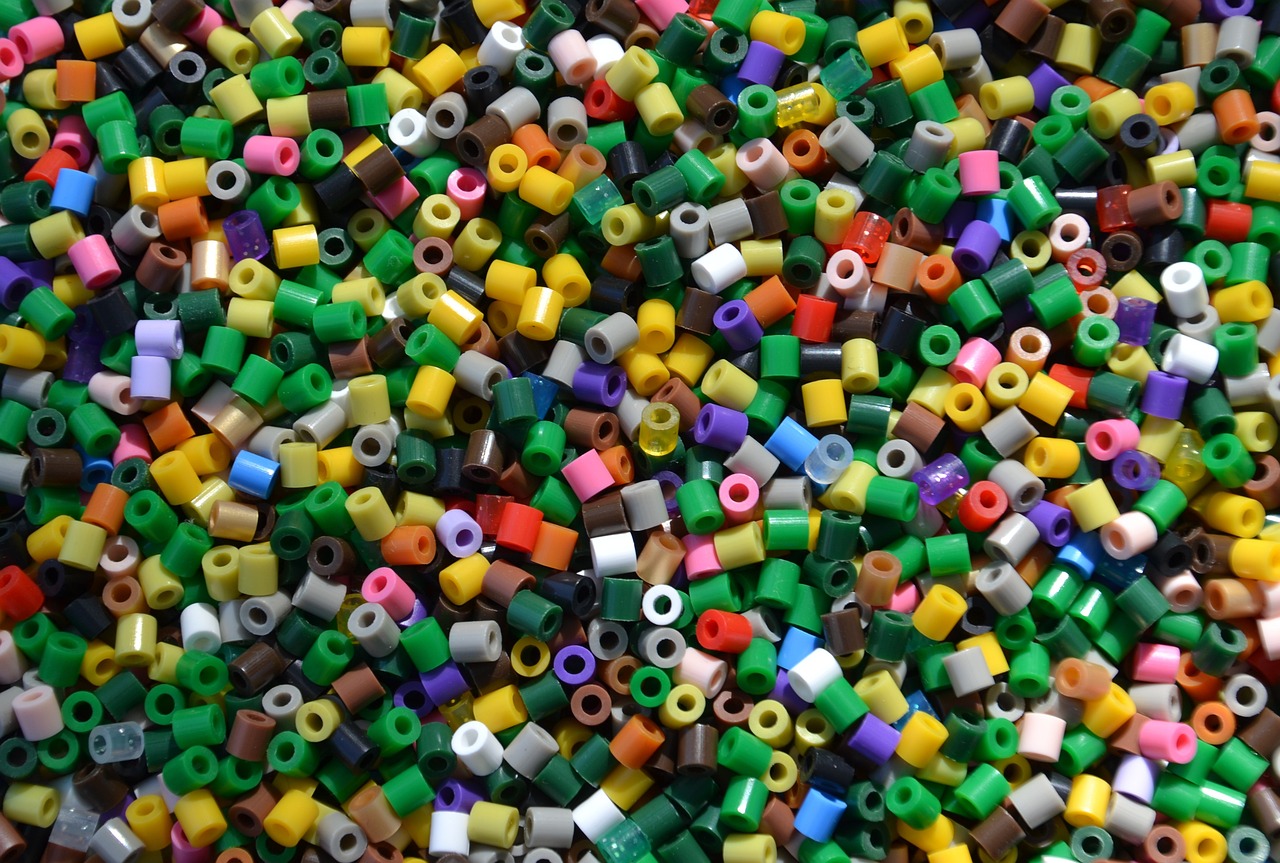
Start with the form of thermoplastic you are storing
Thermoplastic storage should start with a basic question: what form is being stored? Pellets, powders, sheets, rods, films, filaments and finished parts may all be thermoplastics, but they do not fail in storage in the same way.
Pellets and granules
Pellets are commonly shipped in bags, drums, octabins, gaylords or bulk containers. Their main storage risks are moisture pickup, dust, cross-contamination and damaged packaging. Even materials with low moisture absorption can develop surface condensation if cold bags are opened in a warm, humid plant. Hygroscopic grades can absorb moisture into the pellet structure, which may later lead to splay, bubbles, silver streaks, hydrolysis or reduced mechanical properties during processing. Keep unopened packaging sealed until use, and reseal partially used containers promptly.
Powders and additives
Powders, masterbatches and some compounded additives require stricter housekeeping and safety controls. Fine particles can migrate, contaminate other grades and create combustible dust concerns. OSHA guidance on combustible dust notes that plastic dust and resin fines can become a hazard when generated and dispersed, even though intact plastic pellets are not normally the main concern. Avoid sweeping methods that put dust into the air, and use cleaning equipment suitable for the material and the facility risk assessment.
Sheets, rods, tubes and profiles
Stock shapes are more vulnerable to bending, creep, surface damage and dimensional change. Store sheets flat on clean, level supports, or vertically in racks designed to prevent bowing. Rods and tubes should be supported along their length rather than left hanging from one end. Separate hard, filled or glass-reinforced materials from softer surfaces that scratch easily. Protective films should stay in place until the part is ready for fabrication, unless the film is damaged or trapping moisture.
Finished and semi-finished parts
Finished thermoplastic parts are already close to their final performance requirements, so storage should protect surfaces, tolerances and molded-in stress. Avoid stacking parts so high that lower layers deform. Keep precision parts away from direct sunlight, solvents, oils and incompatible packaging. If parts were recently molded, allow them to condition according to the material and quality plan before final inspection or tight assembly.
Control moisture before it reaches the process
Moisture control is often the most important storage issue for thermoplastic resin pellets. Some materials are hygroscopic, meaning they absorb water from surrounding air. Polyamide, PET, PBT, polycarbonate, TPU and several engineering resin grades are common examples where drying discipline is important. Other materials, including many polyethylene and polypropylene grades, absorb very little water into the polymer, but they can still carry surface moisture from condensation, wet packaging or poor handling.
Storage and drying should not be treated as the same step. Storage prevents avoidable moisture pickup; drying prepares the resin for processing. Supplier technical data sheets and processing guides should remain the controlling documents for target moisture level, drying temperature, drying time and dryer type. Generic drying tables can help with training, but they should not override grade-specific instructions for a flame-retardant, filled, impact-modified, recycled-content or color-matched material.
Three practical rules prevent many moisture problems. First, keep the original moisture barrier packaging sealed until production is ready. Second, let cold containers acclimate before opening them in a warm room, because condensation can form on pellets and bag interiors. Third, treat regrind as a higher-risk material unless it has been stored in sealed, identified containers. Regrind has more surface area, more handling history and a greater chance of contamination than unopened virgin pellets.
| Moisture situation | Practical storage response | Why it matters |
|---|---|---|
| Unopened hygroscopic resin | Keep packaging sealed and dry until use | Reduces avoidable moisture pickup before drying |
| Opened bag or gaylord | Reseal promptly or transfer to a dry, labeled container | Limits exposure to plant humidity and dust |
| Cold material moved indoors | Allow the container to warm before opening | Helps prevent condensation on pellets and packaging |
| Regrind or returned material | Store separately and verify drying needs before reuse | Controls variability, contamination and moisture history |
Keep heat, sunlight and physical stress under control
There is no single universal warehouse temperature for every thermoplastic, but a cool, dry, shaded and stable environment is the safest general practice unless the supplier states otherwise. Excessive heat can soften packaging, accelerate aging of additives, deform stock shapes or increase blocking in films. Direct sunlight can combine UV radiation, oxygen and heat exposure, which may discolor or embrittle susceptible plastics over time. These risks are especially important for natural-color materials, transparent plastics and grades not stabilized for outdoor service.
Temperature swings also affect dimensional stability. Plastics have higher thermal expansion than many metals, so long stock shapes, sheet stacks and precision parts can change size with temperature. The change may be temporary, but it can still cause inspection errors or assembly problems if materials are measured immediately after moving from a cold dock to a warm production floor.
Physical support matters as much as environmental control. Heavy pallets should not crush lower bags. Sheets should not overhang shelves. Rolls and spools should not be stored near heaters or windows that create uneven warming. Finished parts should be stored in bins that support the geometry rather than pressing on thin ribs, clips, seals or cosmetic surfaces. When the risk is unclear, reduce stack height and add clean separators.
Prevent contamination, mix-ups and lost traceability
One thermoplastic grade may look like another even when its performance is very different. A natural polyamide, a flame-retardant polyamide and a glass-filled polyamide can be visually similar in pellet form but behave differently in processing and final use. The same applies to UV-stabilized versus non-stabilized grades, food-contact versus non-food-contact grades, and virgin versus recycled-content materials. Storage systems should make these differences visible.
Keep labels, lot numbers and supplier documents with the material until it is consumed. Do not rely on handwritten shorthand that only one shift understands. If material is transferred to a secondary container, copy the full grade name, color, lot number, drying requirement and receiving date. For regulated or customer-controlled applications, preserve certificates of analysis, safety data sheets and internal release records according to the applicable quality system. See also: Buying Guides.
Contamination control should be simple and repeatable. Use clean scoops, funnels, hoses and bins. Keep incompatible colors and additives separated. Close containers after sampling. Do not reuse containers that previously held chemicals, oils, cleaners or unidentified powders. Protect clear plastics and medical, optical or electrical grades from dust and handling marks. If regrind is allowed, define its source, maximum percentage, cleaning method and storage container before it enters production.
Build safety into the storage area
Thermoplastic storage areas can create safety risks even when the polymer itself is stable at room temperature. Pellet spills are slip hazards. Knife use for bag opening can cause cuts and damage packaging. Tall pallet stacks can shift. Plastic packaging, wooden pallets and corrugated containers add fire load. Powders, dust and fines can create respiratory, housekeeping and combustible dust concerns, depending on the material and process.
Safety planning should start with the safety data sheet for each resin, additive and cleaning chemical. OSHA combustible dust guidance recommends preventing dust accumulation, controlling ignition sources and using grounding or bonding precautions where dry powders may build static charge during transfer or mixing. These points are especially relevant to grinding, pulverizing, pneumatic conveying, blending and dust collection. Facilities should also avoid using compressed air to blow dust from surfaces unless that method has been specifically evaluated and controlled, because it can disperse fine particles into the air.
Good housekeeping supports both material quality and worker safety. Keep aisles clear, remove spilled pellets promptly, store bags away from traffic damage and maintain separation between raw material, scrap and waste. Mark quarantine areas clearly so rejected, wet, unlabeled or suspect material does not return to production by mistake.
A practical thermoplastic storage checklist
| Storage factor | Recommended practice | Quality risk reduced |
|---|---|---|
| Moisture | Keep packaging sealed, reseal opened containers and follow grade-specific drying instructions | Splay, bubbles, hydrolysis and inconsistent processing |
| Heat | Store away from heaters, hot roofs, steam lines and direct process heat | Deformation, additive change, blocking and packaging damage |
| Light and UV | Keep material shaded and avoid outdoor exposure unless packaging and grade are approved for it | Discoloration, surface oxidation and embrittlement |
| Mechanical load | Limit stack height and support sheets, rods and parts evenly | Warp, creep, scratches and dimensional errors |
| Contamination | Use clean containers, tools and transfer equipment; close packaging after use | Black specks, color shift, defects and property variation |
| Traceability | Maintain grade, lot, color, receipt date and status labels | Wrong-material use and quality investigation delays |
| Safety | Clean pellet spills, control dust and follow SDS handling requirements | Slip hazards, dust accumulation and unsafe handling |
How to decide whether stored material is still usable
Stored thermoplastic material should not be accepted or rejected by age alone. Some unopened, properly stored grades remain usable for long periods, while an opened hygroscopic resin may become risky much sooner if exposed to humid air. The better question is whether the material still meets the requirements for the intended process and part.
Start with a visual and documentation check. Is the packaging intact? Is the label readable? Is the lot released for use? Are there signs of wet bags, fading, damaged pallets, insect activity, unusual odor, clumping, dust, mixed pellets or foreign material? If the answer is uncertain, quarantine the material rather than sending it directly to production.
Then match the verification method to the risk. For moisture-sensitive engineering resin, a moisture test or controlled drying cycle may be needed. For a color-critical material, a small process trial and visual comparison may be more relevant. For safety-critical or customer-specified parts, mechanical, dimensional or analytical testing may be required before release. Drying can remove moisture, but it cannot reverse contamination, UV degradation, severe hydrolysis that occurred during previous processing or a lost material identity.
Frequently asked questions
Does thermoplastic material expire?
Thermoplastic resin does not expire in the same simple way as food, but shelf life can still matter. Packaging condition, resin chemistry, additives, humidity, heat, UV exposure and contamination history all affect usability. Supplier guidance and internal quality requirements should determine whether older material needs testing before use.
Can drying fix all storage problems?
No. Drying can remove moisture from many resins when the correct dryer conditions are used, but it cannot remove dirt, mixed pellets, chemical contamination or UV damage. It also cannot restore material that has already degraded during improper processing. Storage prevention is usually cheaper than troubleshooting at the machine.
Is outdoor storage acceptable for thermoplastic pellets?
Outdoor storage should be avoided unless the supplier and packaging are suitable for that exposure. Sunlight, rain, temperature swings and pallet damage can compromise both the resin and the packaging. If temporary outdoor staging is unavoidable, use covered, dry, raised storage and inspect the material before release.
Should all thermoplastic materials be stored in a cold room?
Not necessarily. Cooler storage can slow some aging mechanisms, but cold material can develop condensation when opened in warmer humid air. For most routine industrial materials, stable indoor storage away from heat, sunlight and moisture is more practical than refrigeration. Always follow the supplier’s recommendation for sensitive grades.
What is the biggest storage mistake to avoid?
The biggest mistake is treating all plastics the same. A low-moisture commodity resin, a hygroscopic engineering resin, a transparent sheet and a finished precision part need different controls. A reliable storage program starts with material identification, then applies the right moisture, temperature, contamination and traceability rules for that specific thermoplastic.