How to store and handle expanded polystyrene foam safely
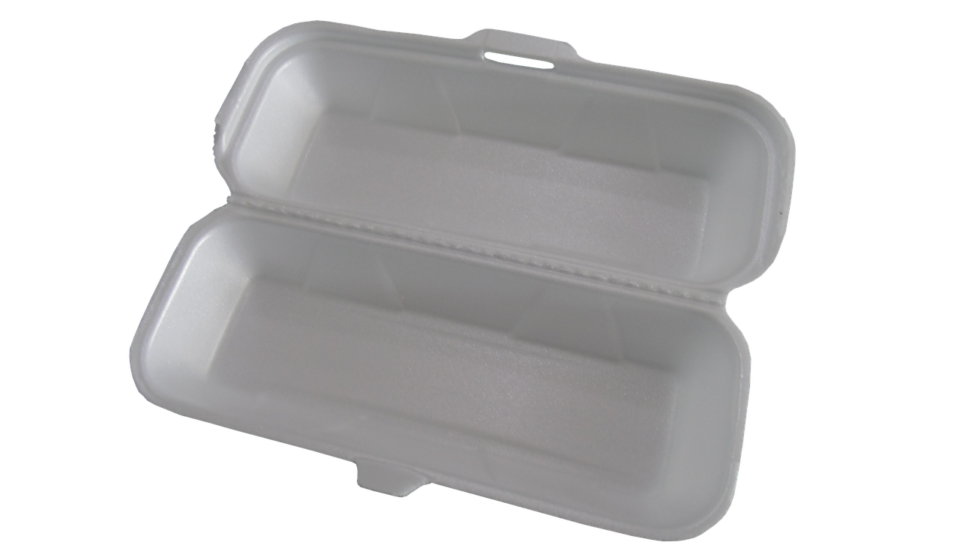
What expanded polystyrene foam needs during storage
Expanded polystyrene foam, often shortened to EPS, should be stored clean, dry, covered, and away from heat, flames, petroleum-based liquids, strong solvents, and heavy loads. Its low weight and insulating performance come from a structure that is mostly air by volume. That same structure also makes EPS easy to crush, blow away, contaminate, or damage with incompatible chemicals.
Good storage is straightforward: separate EPS from ignition sources, protect it from prolonged sunlight and weather, prevent edge and corner damage, and sort clean pieces from dirty waste as early as possible. For more material care topics, see the Care and Storage section. The guidance below applies to common EPS forms, including protective packaging, molded coolers, sheet stock, insulation boards, shape-molded parts, and loose offcuts.
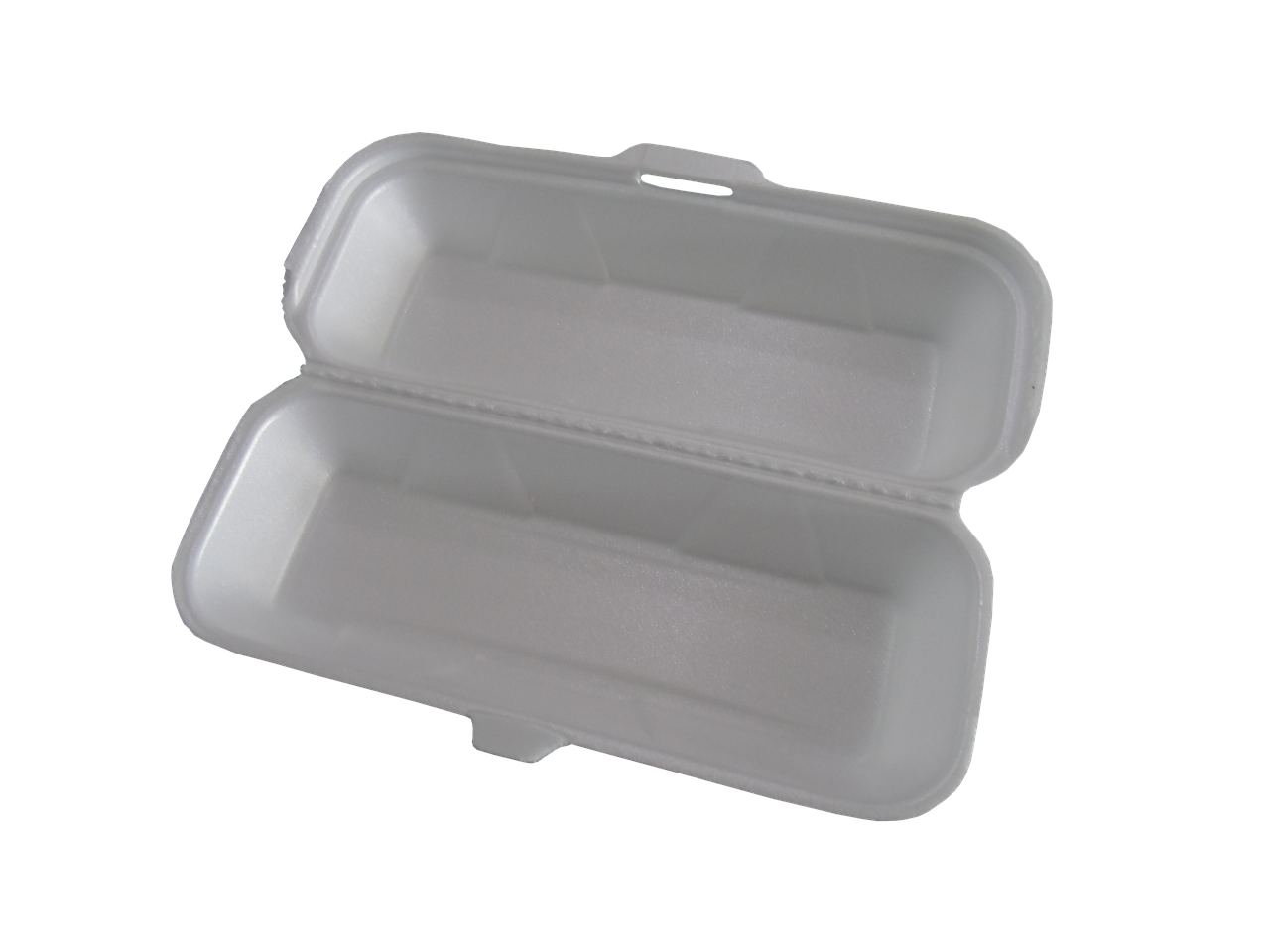
Main risks to control before EPS is used
EPS is a practical plastic foam, but it should not be handled as if it were inert filler. Most problems can be reduced by organizing the storage area around four controls: fire prevention, weather protection, chemical compatibility, and physical protection.
Heat and ignition sources
EPS is an organic polymer foam and can burn when exposed to sufficient heat or flame. Safety data sheets and occupational safety guidance for organic foam insulation consistently advise keeping exposed foam away from open flames, welding or cutting operations, sparks, smoking areas, high-intensity heat sources, and hot surfaces. Construction-grade EPS may contain flame-retardant additives depending on specification and market, but that does not make exposed foam noncombustible.
In a warehouse, EPS should not be stored next to heaters, electrical panels with poor clearance, temporary hot-work zones, charging areas with damaged equipment, paint storage, fuel containers, or waste piles. On a jobsite, move EPS away before torch work, grinding, roofing flame work, or other hot work begins. If it cannot be moved, follow the site fire plan and use approved barriers, permits, and supervision.
Sunlight, moisture, and wind
Short exposure during transport or installation is usually not the main issue. Problems are more likely when EPS sits outdoors for long periods without cover. Ultraviolet light can weather exposed polystyrene surfaces, and heat build-up under clear plastic or dark coverings can deform boards or molded parts. Rain and standing water can make EPS dirty, slippery, heavier to handle, and less acceptable to recyclers.
Wind control also matters because EPS is very light. Loose pieces, beads, and broken packaging can leave the storage area quickly and become litter. Outdoor bins should be covered or enclosed, and offcuts should be bagged or boxed before they spread.
Solvents and incompatible materials
Keep EPS away from many organic solvents and petroleum-based products. Gasoline, some oils, many spray paints, certain adhesives, acetone, aromatic solvents, and similar liquids can soften, shrink, dissolve, or deform polystyrene foam. For that reason, an EPS storage area should not double as a storage area for fuels, solvent cleaners, oil-based coatings, or unknown chemical containers.
If EPS must be bonded, coated, labeled, or cleaned, choose products that state compatibility with polystyrene foam. A small compatibility test on scrap material is a sensible precaution, especially when using adhesives, tapes, release agents, coatings, or disinfectants that were not originally specified for EPS.
Compression and edge damage
EPS provides useful cushioning and insulation, but concentrated loads can crush it. Thin boards can bow, corners can break, and molded packaging can lose its fit if stacked carelessly. Heavy cartons, pallets, metal parts, tools, or machinery should not be placed on top of EPS unless the load is spread evenly and the foam was designed for that use.
Damage often starts at edges and corners. Once a board or molded part is chipped, loose beads can spread and the piece may no longer fit its intended application. Protecting edges with wrap, cartons, or pallet guards is usually easier than cleaning up broken foam later.
A practical storage checklist for EPS foam
The best storage method depends on whether the foam is packaging, board stock, molded parts, or recyclable scrap. Most facilities can still use the following checklist as a baseline.
- Store EPS in a dry, clean, well-ventilated area.
- Keep it away from flames, sparks, smoking areas, heaters, hot work, and high-temperature surfaces.
- Separate it from fuels, oils, solvent cleaners, strong oxidizers, solvent-based paints, and incompatible adhesives.
- Use opaque or light-colored covers when outdoor storage is unavoidable, and avoid clear plastic covers that can trap heat.
- Keep outdoor EPS contained so wind cannot scatter pieces or beads.
- Stack boards flat on level supports to reduce bowing and edge damage.
- Do not overload EPS with heavy pallets, drums, tools, or machinery.
- Label stored foam by type, use, or project so clean reusable material is not mixed with waste.
- Separate clean EPS for reuse or recycling before it becomes contaminated.
Indoor storage
Indoor storage is preferred for valuable EPS parts, clean packaging, and insulation boards waiting for installation. Racks, pallets, bins, or cartons should keep the material off wet floors and away from traffic lanes. If forklifts operate nearby, mark foam storage zones clearly; even minor impacts can dent or break EPS.
For larger boards, stack flat rather than leaning them at steep angles for long periods. Leaning boards may bend or slide, especially if the surface is dusty or the bundle wrap has been removed. If vertical storage is necessary, use a stable support frame and protect corners from abrasion.
Outdoor or jobsite storage
Outdoor storage should be temporary and controlled. Keep EPS on pallets or dunnage above standing water, cover it with a secure light-colored tarp, and weigh or tie the cover so wind cannot expose the material. Do not seal wet foam inside wrap for long periods; let it drain and dry before restacking if practical.
On construction sites, place EPS away from hot work and from routes where equipment may crush it. Collect loose offcuts daily. Good housekeeping is more than appearance: it reduces fire load, helps prevent windblown litter, and keeps recyclable foam cleaner.
Cleaning, reuse, and inspection
Clean EPS gently. For dust or loose dirt, use a soft brush, low-pressure air where allowed, or a dry cloth. For light surface soil, a damp cloth and mild soap are usually safer than aggressive cleaners. Avoid solvent-based degreasers, gasoline, acetone, lacquer thinner, and strong chemical cleaners unless the supplier has confirmed compatibility. See also: Buying Guides.
Before reusing EPS packaging, inspect whether it can still perform its original role. Cushioning inserts should not be crushed, cracked, permanently flattened, or missing key corners. Molded coolers should be checked for lid fit, contamination, odor, and cracks. Insulation boards should be checked for broken edges, major gouges, deformation, or prolonged exposure damage that could affect installation quality.
Reuse is most suitable when the foam remains clean, dry, and structurally sound. Dirty food-contact foam, chemically contaminated foam, oil-stained pieces, or foam with unknown residue should not be mixed with clean reusable packaging or recyclable EPS. When in doubt, separate questionable material until local disposal or recycling requirements are confirmed.
Preparing EPS for recycling or disposal
EPS recycling depends heavily on local infrastructure. Public recycling guidance in the United States notes that polystyrene foam is accepted by very few curbside programs, while some communities, retailers, and specialized recyclers provide drop-off or densification options. Because availability changes by location, check the local recycler before collecting large volumes.
Cleanliness is the deciding factor for many programs. EPS that is wet, food-soiled, taped, mixed with cardboard, contaminated with labels, or full of debris may be rejected. If recycling is planned, set up separation where EPS is unpacked rather than after it has entered the trash stream.
- Remove tape, labels, plastic film, cardboard, straps, and non-EPS inserts when required by the recycler.
- Keep food-service foam separate from protective packaging unless the program accepts both.
- Bag or box lightweight pieces to prevent windblown litter.
- Do not mix EPS with EPE, EPP, polyurethane foam, paper, wood, or general trash unless the recycler allows it.
- For high-volume operations, ask recyclers whether baling, bagging, or densifying is preferred.
If EPS cannot be reused or recycled, dispose of it according to local waste rules. Avoid breaking it into small pieces unnecessarily because small beads are harder to contain and clean up.
Care rules by common EPS application
EPS is used in packaging, construction, cold-chain shipping, crafts, appliance protection, and display materials. The same material can require different care priorities depending on how it will be used.
| EPS form | Care priority | What to avoid |
|---|---|---|
| Molded protective packaging | Preserve shape, corners, and fit so the packed item remains supported. | Crushing, missing inserts, solvent labels, and mixing clean packaging with dirty waste. |
| Insulation boards | Keep flat, dry, covered, and protected from jobsite traffic until installation. | Long outdoor exposure, hot work nearby, edge breakage, and uneven stacking. |
| EPS coolers and cold-chain boxes | Maintain lid fit, cleanliness, and internal surface condition. | Food residue, odor, cracks, chemical cleaners, and reuse after contamination. |
| Loose offcuts | Collect quickly and contain for reuse, recycling, or disposal. | Wind exposure, open waste piles, hot-work areas, and mixing with wet trash. |
| Display or craft foam | Test paints, coatings, and adhesives before full use. | Solvent-based spray paints, incompatible glues, and high-heat tools without ventilation. |
Common mistakes that shorten EPS service life
The most common mistake is assuming EPS is too simple to need storage rules. Many failures come from ordinary handling: placing a heavy pallet on a stack of boards, leaving a bundle uncovered for weeks, spraying it with an incompatible coating, or sweeping dirty foam into the same bag as clean recyclable material.
A second mistake is delaying sorting. EPS is easiest to reuse or recycle immediately after unpacking, when it is still clean and identifiable. Once it is mixed with food waste, sawdust, adhesive backing, rainwater, or general trash, its value drops quickly.
A third mistake is ignoring fire housekeeping. EPS should not be allowed to accumulate around exits, hot-work areas, electrical rooms, heaters, or temporary construction activities. Keeping storage areas orderly helps reduce hazards and improves the chance that usable foam remains in usable condition.
Frequently asked questions
Can expanded polystyrene foam be stored outside?
Yes, but outdoor storage should be temporary. Keep EPS elevated, covered with an opaque or light-colored cover, protected from wind, and away from hot work or ignition sources. Long outdoor exposure can lead to dirt, weathering, deformation, and recycling rejection.
Does EPS absorb water?
EPS is a closed-cell foam and does not behave like a sponge, but water can remain on surfaces, between beads, in cracks, or around dirt and contaminants. Wet EPS is also harder to handle and may be unacceptable to recyclers, so dry storage is still important.
Can I clean EPS with acetone or solvent cleaner?
No. Acetone and many solvent cleaners can attack polystyrene foam. Use dry cleaning methods, mild soap, and water where appropriate, and test any cleaner on scrap foam before using it on important parts.
Is EPS foam accepted in curbside recycling?
Usually not. Some areas offer drop-off programs or specialized EPS recycling, but curbside acceptance is limited and varies by municipality. Check the local recycling provider before placing EPS in a recycling bin.
How should clean EPS offcuts be stored before recycling?
Keep offcuts dry, bagged or boxed, and separate from food waste, tape, cardboard, plastic film, and other foam types. If volumes are high, ask the recycler whether they prefer loose bags, stacked pieces, bales, or densified material.


