How to care for and store plastic bags, plastic bottles and plastic packaging
Why care and storage matter for everyday plastic packaging
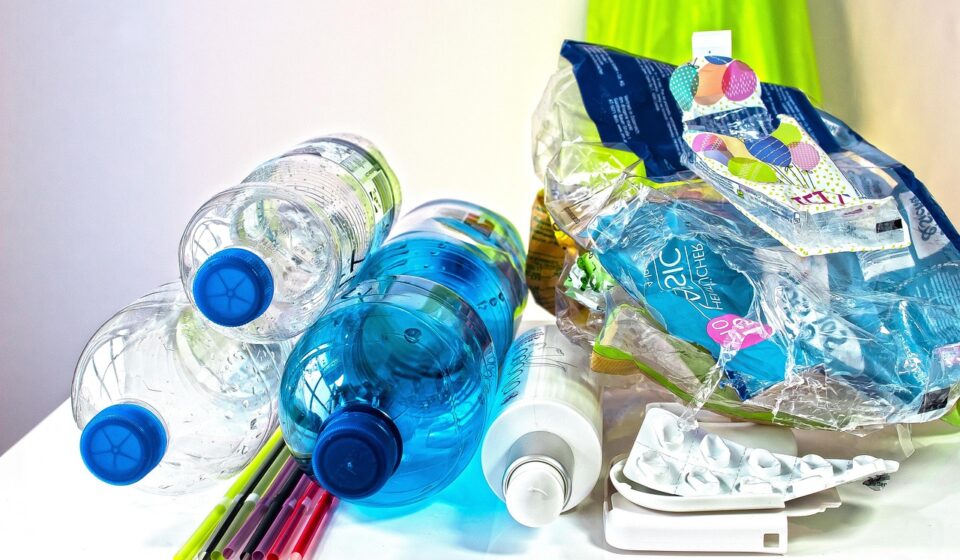
Plastic bags, plastic bottles and plastic packaging are light, flexible and moisture resistant, which is why they are used so widely in homes, shops, warehouses and shipping areas. Those same qualities can also lead to overuse, poor storage and incorrect disposal. Basic care will not turn every package into a durable product, but it can reduce contamination, support safe reuse where reuse is appropriate and make end-of-life sorting easier.
The practical rule is straightforward: clean and dry plastic before storing it, keep it away from heat and direct sunlight, reuse only packaging that is suitable for the task, and check local recycling instructions before placing items in a bin. You can also explore more in Care and Storage.
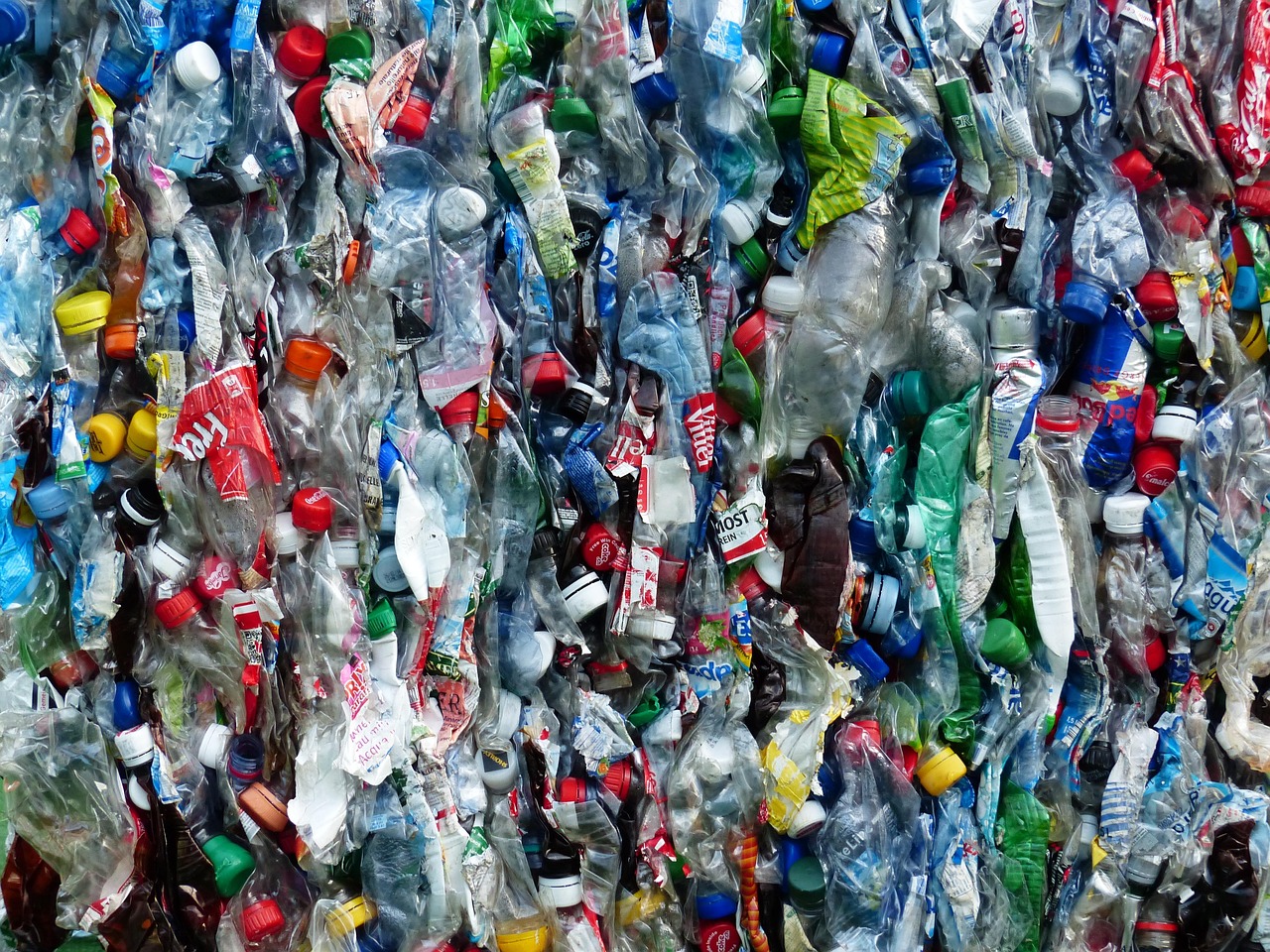
This matters because packaging is one of the largest plastic waste categories. The U.S. Environmental Protection Agency’s material-specific data identifies plastic containers and packaging as the largest plastic tonnage category in municipal solid waste, with more than 14.5 million tons generated in 2018. That category includes PET bottles and jars, HDPE bottles, bags, sacks, wraps, lids and other containers. The bottles under a sink, bags saved in a drawer and films collected from deliveries are all part of a major material stream.
For more material handling topics, visit our Care and Storage section.
Know what you are storing before you reuse it
Most household plastic packaging is designed for a specific purpose: carrying groceries, protecting a shipment, holding a beverage, sealing dry goods or keeping food fresh for a limited period. Care and storage should start with that intended use. A sturdy reusable bottle is not the same as a thin single-use beverage bottle. A clean, dry bread bag is not the same as a greasy takeout container. Many storage problems start when all plastic items are treated as interchangeable.
Resin identification codes can help identify the polymer family, but they are not universal recycling or food-safety labels. EPA consumer guidance notes that the number on a plastic bottle or container can help identify the type of plastic, but it does not necessarily mean the item is accepted by a local recycling program. For storage decisions, the code is only one clue. The product label, original use, condition of the item and local recycling rules are just as important.
| Item type | Common use | Care priority | Storage priority |
|---|---|---|---|
| Plastic bags and film | Shopping bags, produce bags, wraps and delivery film | Shake out crumbs, remove moisture and avoid storing food residue | Keep clean, dry and compressed in one larger bag or container |
| Plastic bottles | Water, soft drinks, milk, detergent and personal care products | Rinse soon after emptying; avoid residue buildup and odor | Store with caps off until dry; keep away from heat and sunlight |
| Rigid plastic packaging | Tubs, trays, clamshells, jars and lids | Wash if reused; discard if cracked, sticky or strongly stained | Nest loosely after drying so trapped moisture does not cause odor |
| Protective packaging | Bubble wrap, air pillows and foam pieces | Keep free of tape, labels and dirt if saving for reuse | Store flat or deflated where possible to save space |
How to clean plastic bags, bottles and packaging before storage
Cleaning disposable or short-life packaging is not about making it look new. It is about preventing odor, mold, insects and contamination. For non-food bags, a quick shake may be enough. For food-contact bags or containers, remove crumbs and visible residue before storage. If a bag held raw meat, oily food or strong-smelling items, reuse is usually not worth the hygiene risk; disposal or approved collection is often the better option.
Plastic bottles should be rinsed soon after they are emptied. Sugary drinks, dairy products and sauces leave residues that become sticky and harder to remove over time. If you plan to reuse a bottle for non-food storage, rinse it, drain it fully and let it air-dry with the cap removed. If you plan to recycle it, local programs may ask that bottles be empty and lightly rinsed, not perfectly scrubbed. The aim is to reduce contamination without using excessive water.
Rigid plastic packaging such as tubs, trays and clamshells should be inspected after washing. If the plastic is cracked, warped, cloudy, sticky or still holding an odor after normal cleaning, do not use it for food storage. Scratches can trap residue, and damaged lids may not seal properly. For non-food reuse, such as organizing small hardware or craft supplies, condition still matters because brittle plastic can break and create sharp edges.
- Use mild dish soap and warm water for washable rigid packaging.
- Let bottles and containers dry completely before stacking or closing them.
- Do not store damp plastic bags in a tight bundle.
- Remove paper receipts, food scraps and excess tape before saving packaging for reuse.
- Separate food-contact items from packaging that held cleaners, oils or chemicals.
Store plastics away from heat, sunlight and pressure
Heat, ultraviolet light and mechanical stress can shorten the useful life of many plastic items. A sunny windowsill, hot garage shelf or car trunk is not a good long-term storage location for plastic bottles, bags or flexible packaging. Heat can warp containers and weaken closures. Sunlight can make some plastics brittle over time. Pressure from overpacking can crease bottles, split seams and make bags harder to reuse.
The best storage method is simple: dry, shaded, ventilated and organized. Keep plastic bags in one clean larger bag, box or dispenser so they do not spread across cabinets or work areas. Keep bottles upright while drying, then store them loosely if they will be reused. Match lids with containers only after both parts are dry. If space is limited, nest rigid containers without forcing them together; tight nesting can trap moisture and make containers difficult to separate.
For businesses, workshops or households that save plastic packaging for shipping reuse, sort materials by function. Bubble wrap, air pillows, mailers, stretch film and rigid inserts should not be mixed with dirty bags or food packaging. Clean protective packaging can often be reused effectively for cushioning, while contaminated film may create odor and handling problems.
Food-contact packaging needs extra caution
Food packaging is regulated because materials that touch food can transfer small amounts of substances under intended conditions of use. FDA consumer information describes food contact substances as materials and components that contact food, including packaging, processing equipment and food preparation surfaces. This does not mean every package is suitable for every type of reuse. It means intended use matters.
A bottle designed for a cold beverage should not automatically be reused for hot liquids. A takeout container that safely carried a cool salad may not be suitable for reheating oily food. A plastic bag used for bread should not be reused for raw meat. When a package is labeled for microwave, freezer or dishwasher use, follow that label. When it is not labeled, avoid exposing it to high heat or demanding food-storage conditions.
Recycled plastic in food packaging also has specific safety considerations. FDA guidance on recycled plastics in food packaging focuses on issues such as possible contaminants in post-consumer material, whether the recycled material is suitable for food contact and whether additives comply with food-contact requirements. For readers, the practical lesson is not to fear all recycled content, but to avoid assumptions. Food-contact reuse should be based on the original design and labeling, not simply on appearance.
When to stop reusing food packaging
Stop reusing a food-contact plastic package when it is cracked, warped, scratched, sticky, stained by oil, difficult to clean or missing a proper lid. Also stop if the package develops a persistent odor. At that point, reuse may save a small amount of material but create hygiene or performance problems. If the item is recyclable locally, prepare it according to local instructions. If not, place it in the correct waste stream.
Recycling rules are local, especially for bags and film
One common mistake is putting plastic bags and film into a household recycling bin. EPA public guidance says plastic bags, wrap and film may be recyclable in some areas, but they generally should not go into the household recycling bin. These flexible materials can tangle in sorting equipment and may need separate collection through store drop-off or specialized programs. See also: Buying Guides.
Plastic bottles are more commonly accepted in curbside recycling than flexible film, but acceptance still varies by community and by resin type. PET beverage bottles and HDPE milk or water jugs are widely recognized packaging forms, yet caps, labels, colors and residues can still affect sorting and processing. The safest approach is to follow instructions from the local recycling authority rather than relying only on a resin number.
Rigid tubs, trays and clamshells are more complicated. Some programs accept them; others do not. Black plastic, multilayer packaging, small loose pieces and heavily contaminated containers can be difficult for sorting systems. If local instructions say “bottles and jugs only,” do not assume that every rigid plastic package belongs in the bin.
A simple sorting checklist
- Empty the package before storage or recycling.
- Rinse containers that held food, drink or sticky products.
- Dry flexible film before collecting it for a drop-off program.
- Keep plastic bags out of curbside bins unless the local program clearly accepts them.
- Check whether caps should be left on bottles or removed in your area.
- Do not recycle compostable plastics with conventional plastics unless a program specifically accepts them.
Reduce first, then reuse, then recycle
Care and storage are useful, but they should not distract from the waste hierarchy. EPA waste-reduction guidance emphasizes that the most effective way to reduce waste is to avoid creating it in the first place. For plastic packaging, that means choosing less packaging where practical, using durable bags and bottles, buying larger formats when they genuinely reduce total packaging and avoiding unnecessary single-use items.
Reuse is the next step, but it should be practical. A plastic bag reused once for dry goods or bin lining has a different risk profile from a bag reused repeatedly for food. A strong shipping mailer may be useful for another shipment, while a torn film wrapper may only create clutter. Reuse works best when the item remains clean, structurally sound and suited to the new task.
Recycling is important, but it is not a cure-all. It depends on collection access, sorting technology, material quality and end markets. Clean bottles and accepted containers are more likely to move through the system successfully than dirty, mixed or unsupported packaging. Good storage helps because it keeps potentially recyclable items from becoming contaminated before they reach collection.
Practical storage setups for homes and small work areas
A good setup does not need to be expensive. The goal is to keep the plastic pile from becoming mixed, dirty and difficult to sort. Use one container for clean bags and film, one for bottles waiting to dry, and one for reusable shipping materials. If local recycling requires separation, label containers by destination, such as curbside recycling, store drop-off or reuse.
For kitchens, keep a small drying area near the sink for bottles and tubs. Do not close containers immediately after rinsing. For pantries, save only the packaging you will realistically reuse within a reasonable time. For garages or utility rooms, avoid storing plastic near heaters, direct sun, solvents or sharp tools. For office or e-commerce packing areas, flatten mailers, deflate air pillows if they will not be reused, and keep clean cushioning separate from waste film.
Set a limit. If saved plastic bags overflow their container, recycle or dispose of the excess according to local rules. If bottles accumulate faster than they are reused, reduce the number you save. Storage should support better material management, not create another long-term clutter problem.
Frequently asked questions
Can plastic bottles be reused for drinking water?
Some bottles are designed for repeated use, while many beverage bottles are designed for single use. If a bottle is not labeled as reusable, avoid using it for hot liquids, long-term storage or repeated rough cleaning. Discard it if it becomes scratched, cloudy, cracked or difficult to clean.
Should plastic bags be washed before reuse?
It depends on what they carried. Bags used for dry, clean items can often be shaken out and reused. Bags that held raw meat, oily foods or strong-smelling products should not be reused for food. If a washable reusable plastic bag is cleaned, let it dry completely before storage.
Can plastic bags go in the curbside recycling bin?
In many U.S. programs, plastic bags and flexible film should not go in curbside recycling bins because they can interfere with sorting equipment. Some areas offer store drop-off or separate film collection. Local program instructions should decide the final answer.
Is the recycling number enough to know what to do?
No. The number identifies the resin family, but it does not guarantee that the item is recyclable in your community or suitable for food reuse. Check the product label for use instructions and the local recycling program for disposal rules.
What is the safest general rule for storing plastic packaging?
Store only clean, dry and useful items. Keep them away from heat, direct sunlight and contamination. Reuse packaging only for tasks similar to its original purpose, and recycle or dispose of damaged items according to local guidance.