What a machine operator in plastic processing does on the factory floor
The role in one practical view
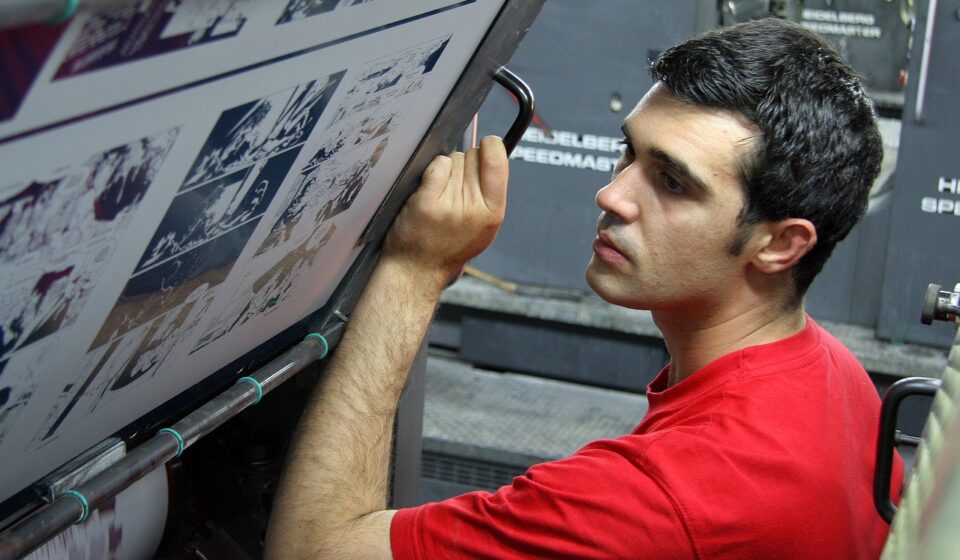
A machine operator in plastic processing runs, monitors, and adjusts equipment that turns resin, sheet, film, or preforms into usable plastic parts. The job is not simply pressing the cycle-start button. On the factory floor, the operator checks material flow, watches temperature and pressure behavior, inspects parts, records production data, responds to alarms, and follows guarding and lockout rules when equipment needs intervention. The role may be assigned to an injection molding cell, extrusion line, blow molding machine, thermoforming station, calender, compounding line, or a downstream trimming and finishing process.
For manufacturers, this position sits at the point where output, part quality, machine safety, and material handling come together. For workers, it can be an entry point into process technician, mold setter, extrusion technician, quality, maintenance, or supervisory roles. The exact scope depends on the plant, product, automation level, and training system. You can also explore more in Plastic Processing.
What the job covers in plastic processing
Plastic processing converts polymer materials into parts or semi-finished forms by applying heat, pressure, shear, cooling, and controlled movement. A machine operator works where those process conditions must remain stable over many cycles or through long continuous production runs.
In injection molding, the operator may remove or verify parts, watch for short shots or flash, confirm packaging requirements, and notify a setter or technician when the process drifts. In extrusion, the operator may monitor a continuous profile, pipe, sheet, film, strand, or pelletizing line and respond to thickness, surface, cooling, winding, or cutting issues. In blow molding, the operator may handle containers or technical hollow parts while watching for parison, neck, wall-thickness, or leak-test problems. In thermoforming, the work may include sheet heating, forming pressure or vacuum, trimming, stacking, and scrap control.
Across these processes, the job usually combines three responsibilities: keeping the machine running safely, keeping product within specification, and keeping records accurate enough for production and quality teams to act on.
For more related process topics, see the site’s Plastic Processing section.
Core duties by process type
The daily work varies from one department to another, but the pattern is familiar: prepare the work area, confirm the job requirements, monitor the machine, inspect the output, document results, and escalate abnormal conditions.
| Process area | Typical operator focus | Common quality signals |
|---|---|---|
| Injection molding | Part removal, visual checks, packaging, alarm response, communication with mold setters or process technicians | Short shots, flash, burns, sink marks, warpage, contamination, dimensional variation |
| Extrusion | Line startup support, die and haul-off monitoring, cooling, cutting, winding, pelletizing, scrap separation | Thickness drift, gels, die lines, bubbles, poor surface, inconsistent color, out-of-round profile |
| Blow molding | Container handling, trimming, leak testing, weight checks, flash control, downstream packaging | Thin walls, poor neck finish, pinholes, weak weld lines, uneven color, excessive flash |
| Thermoforming | Sheet loading, heater monitoring, forming, trimming, stacking, scrap handling | Webbing, thin corners, incomplete forming, trim defects, sheet contamination |
| Compounding and pelletizing | Feeder checks, strand or underwater pelletizing observation, screen changes support, packaging | Color variation, unmelted material, fines, pellet size variation, contamination |
Government occupational data and O*NET task descriptions describe related machine roles as work that includes observing automatic machines, inspecting products for surface and dimensional defects, adjusting controls such as temperature, pressure, speed, feed rates, and cycle times, and reading specifications or work orders. These descriptions are broad because plants divide responsibility in different ways. In a small operation, one operator may handle setup, inspection, packing, and basic troubleshooting. In a larger plant, setup and process changes may be restricted to trained technicians, while operators focus on running, checking, reporting, and safe handling.
Skills that separate reliable operators from basic machine tenders
The most valuable operator is not always the person who makes the most adjustments. In many plants, it is the person who notices process drift early, protects the equipment, follows escalation rules, and prevents bad parts from moving downstream.
Material awareness
Plastic materials do not all behave the same way. Moisture-sensitive resins, filled compounds, recycled blends, color concentrates, high-temperature engineering plastics, and soft elastomers can require different handling discipline. Operators are often expected to verify material labels, keep containers closed, avoid contamination, separate purge and scrap correctly, and recognize when a drying, feeding, or color-change issue may be affecting the process.
Process observation
An operator does not need to be a polymer engineer to recognize practical process clues. Changes in cycle time, screw recovery, back pressure behavior, extruder motor load, melt appearance, part release, cooling water performance, or downstream pulling speed can point to a developing issue. Good observation is especially important on night shifts and weekend shifts, when engineering support may be limited.
Quality checking
Plastic part quality is not only visual. Operators may use calipers, gauges, scales, go/no-go fixtures, color standards, leak testers, or simple functional checks. They need to know the difference between acceptable variation, a hold condition, and an immediate stop-and-call situation. Accurate sampling intervals and traceability labels matter because one missed check can turn a small containment issue into several hours of suspect production.
Documentation and communication
Modern plants rely on batch records, traveler sheets, manufacturing execution systems, maintenance requests, and quality hold logs. A short note such as “alarm cleared” is rarely enough. Useful documentation states what happened, when it happened, what was checked, what material or tool was involved, and who was notified. This is one reason experienced operators often become strong candidates for lead, quality, or technician roles.
Safety is part of the production skill set
Plastic processing equipment combines heat, hydraulic force, rotating screws, nip points, clamps, cutters, robots, conveyors, grinders, and sometimes fumes or noise. OSHA’s machine-guarding guidance for plastics machinery identifies serious injury risks including crushing, burns, cuts, amputations, and fatalities. Safe operation is therefore not separate from productivity; it is a condition for sustainable production.
For injection molding, OSHA guidance emphasizes operator gates, interlocks, purge guards, and lockout/tagout procedures when servicing or maintenance exposes workers to hazardous energy. The practical point is direct: guards and interlocks are not optional conveniences. Operators should not bypass them, reach around them, or treat them as a substitute for lockout when the task requires energy isolation.
Common safety topics for a machine operator in plastic processing include:
- Recognizing pinch points, clamp zones, nip points, rotating shafts, knives, and hot surfaces.
- Understanding when a jam, stuck part, stringy purge, or scrap buildup requires stopping and calling trained support.
- Following lockout/tagout rules for tasks outside normal production operation.
- Using heat-resistant gloves, eye protection, hearing protection, sleeves, or respiratory controls when required by the plant’s hazard assessment.
- Keeping floors clear of pellets, scrap, oil, water, and packaging materials that can create slip or trip hazards.
- Reporting damaged guards, malfunctioning interlocks, unusual odors, abnormal noise, or repeated alarms before they become incidents.
Many plants also use ANSI and PLASTICS machinery safety standards as references for injection molding, extrusion, blow molding, sheet production, and related equipment. Operators do not need to memorize every standard number, but they should understand that guarding, emergency stops, safe access, and energy control are designed into the system and must be respected in daily work. See also: Buying Guides.
How automation is changing the operator’s work
Automation has not removed the need for machine operators, but it has changed what good performance looks like. Robots, conveyors, vision checks, automated dryers, gravimetric feeders, central conveying, recipe control, and machine HMIs reduce repetitive handling while increasing the need for alert monitoring and disciplined response.
The U.S. Bureau of Labor Statistics reported a May 2025 median annual wage of $47,700 for the broad category of metal and plastic machine workers. It also projected overall employment for that broad category to decline 7 percent from 2025 to 2035, mainly because labor-saving machinery allows operators to oversee more equipment. However, the same BLS outlook projected about 78,100 openings per year on average over the decade, largely from replacement needs as workers move to other occupations or leave the labor force. These figures are not specific to plastic processing alone, but they are useful signals for the wider machine-operator labor market.
In practical terms, automation favors operators who can work with screens, sensors, alarms, robots, checklists, and data. A plant may need fewer people for purely manual removal, yet still need skilled frontline staff who can verify recipes, recognize poor automation handoffs, protect tooling, and communicate with maintenance or process engineering. The operator’s role is moving from manual repetition toward process stewardship.
Career paths from operator to higher-skill roles
Many plastic processing careers start on the production floor. A new operator may begin by learning safety rules, part handling, visual inspection, packaging, material identification, and basic work instructions. With time, the same worker may learn startup checks, minor adjustments, quality records, changeover support, and root-cause communication.
Common advancement paths include:
- Lead operator: coordinates breaks, line coverage, documentation, training, and shift communication.
- Mold setter or setup technician: supports tool changes, mold preparation, hookups, and startup checks.
- Process technician: troubleshoots process conditions, validates settings, and supports cycle or line stability.
- Quality technician: focuses on measurement systems, inspections, nonconformance records, and containment.
- Maintenance technician: moves toward mechanical, electrical, hydraulic, pneumatic, and preventive maintenance work.
- Production supervisor: manages people, output, safety follow-up, scheduling, and cross-functional communication.
The strongest development plan combines shop-floor experience with structured learning. Useful topics include blueprint or drawing reading, measurement tools, resin behavior, drying basics, mold or die function, machine guarding, lockout/tagout, statistical process control, problem-solving methods, and basic mechanical systems. For operators who want to move into processing roles, the important habit is to ask why a defect appeared, what changed before it appeared, and what evidence supports the next action.
A practical checklist for operators and supervisors
A clear checklist can help prevent confusion between normal operation, abnormal operation, and maintenance work. The following points are useful as a training aid, not as a replacement for a plant-specific procedure.
- Confirm the work order, material, color, mold or die, packaging, and inspection plan before running.
- Check that guards, interlocks, emergency stops, and required personal protective equipment are in place.
- Verify that parts or output match the approved sample, drawing, work instruction, or quality alert.
- Record startup checks, periodic inspections, scrap reasons, downtime, and any process alarms accurately.
- Separate suspect material or parts immediately and label them according to the plant’s hold procedure.
- Escalate repeated defects, abnormal machine sounds, unusual odors, leaks, rising scrap, or safety concerns.
- Never bypass a guard, reach into a danger zone, or clear a jam unless the approved procedure allows it and the required energy-control steps are followed.
- At shift handover, communicate open issues, material changes, quality holds, tool concerns, and maintenance requests.
This checklist also helps supervisors identify training gaps. If operators are blamed for defects but are not trained to recognize acceptable limits, the system is weak. If operators are expected to clear jams but are not trained on energy control, the system is unsafe. A good plastic processing operation defines the boundary clearly: what the operator may do, what requires a technician, and what requires maintenance or engineering approval.
Frequently asked questions
Is a machine operator in plastic processing the same as a process technician?
No. The roles may overlap in smaller plants, but they are usually different. A machine operator runs and monitors assigned equipment, inspects product, documents production, and reports issues. A process technician typically has deeper responsibility for setup, parameter optimization, troubleshooting, and validating process changes.
What plastic processes need machine operators?
Operators are used in injection molding, extrusion, blow molding, thermoforming, calendering, compounding, pelletizing, recycling preparation, trimming, assembly, and packaging. The exact duties depend on the product, machine type, automation level, and quality requirements.
What skills help an operator move up fastest?
Reliable safety habits, accurate inspection, clear documentation, basic material knowledge, measurement skills, and the ability to explain problems with evidence are highly valuable. Operators who learn why defects happen, not just what defects look like, are better prepared for setup, quality, or process technician roles.
Will automation replace plastic processing operators?
Automation can reduce repetitive manual handling and allow one person to monitor more equipment, but it does not remove the need for trained people. Plants still need operators who can respond to alarms, verify quality, notice abnormal conditions, protect tooling, and communicate with technical teams.
What is the most important safety rule for new operators?
The most important rule is to stay out of danger zones unless the task is authorized, the machine is in the correct safe state, and the required procedure is followed. Guards, interlocks, emergency stops, and lockout/tagout procedures exist because plastic processing machines can injure workers very quickly when energy is not controlled.


