Polycarbonate roofing buying guide for patio covers, greenhouses and sheds
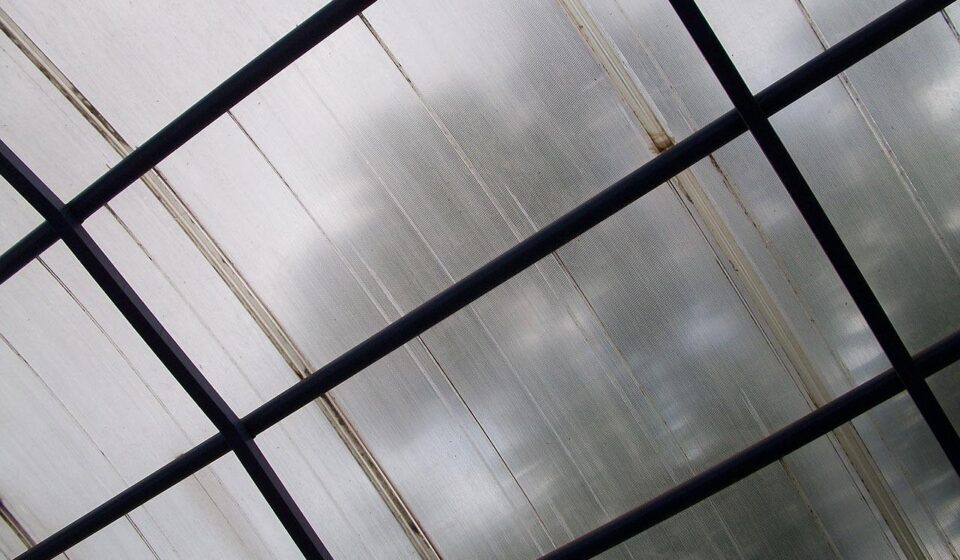
Polycarbonate roofing is a strong, light-transmitting plastic roofing option for patio covers, pergolas, greenhouses, carports and sheds. The right panel, however, is not simply the cheapest sheet on the rack. A good purchase should match the roof shape, local wind and snow loads, required daylight, heat control, UV protection, support spacing and local code requirements. Clear panels bring in the most light, tinted or opal panels can reduce glare, and multiwall panels add insulation compared with single-skin sheets.
The main buying risk is treating all polycarbonate panels as interchangeable. Corrugated, multiwall and solid systems install differently, move with temperature differently and may carry different fire or warranty documentation. For more material selection articles, see our Buying Guides.
What polycarbonate roofing is and where it fits
Polycarbonate is a thermoplastic sheet material known for high impact resistance and useful optical clarity. In roofing, it is commonly sold as corrugated sheets, multiwall sheets or solid glazing panels. It is not the same as acrylic, PVC or fiberglass, even though these materials may appear side by side in retail roofing aisles.
Most buyers are trying to answer practical questions: which sheet to buy, whether the roof will leak or yellow, and how to avoid a failed installation. Polycarbonate is often selected where a metal or asphalt roof would block too much daylight and glass would be too heavy or fragile. Typical uses include covered decks, pergola roofs, greenhouse glazing, shed skylight strips and small carport covers.
Public technical datasheets for UV-stabilized solid polycarbonate, including Lexan sheet data, commonly list high visible light transmission for clear sheets, with some clear solid grades around the high-80-percent range. Actual light transmission changes by brand, color, thickness, surface texture and panel geometry, so the product datasheet should be checked instead of assuming that every clear panel performs the same.
Polycarbonate also has limits. It can scratch more easily than glass, can expand noticeably with heat, and should not be used as a walking surface. The roof framing, not the plastic sheet, must carry the design loads. If the project is attached to a home, part of a commercial building, or located in a high-wind, snow, wildfire or fire-district area, the buying process should include a code check before panels are ordered.
Choose the right polycarbonate panel type
The first decision is the panel format. Thickness alone is not enough, because a 6 mm multiwall sheet, a thin corrugated sheet and a flat solid sheet behave differently. Compare the complete system: sheet profile, fastening method, edge sealing, available flashing, minimum pitch and load tables.
| Panel type | Common uses | Main advantages | What to check before buying |
|---|---|---|---|
| Corrugated or trapezoidal sheet | Patio covers, pergolas, sheds, simple greenhouses | Lightweight, widely available, sheds water well when pitched correctly | Profile-compatible fasteners, closures, side laps, support spacing and minimum slope |
| Multiwall sheet | Greenhouses, conservatories, covered walkways, insulated daylight roofs | Better stiffness and insulation than single-skin sheets of similar weight | Channel direction, end tapes, condensation control, joining bars and drainage details |
| Solid monolithic sheet or glazing system | Architectural canopies, skylight-like panels, higher-clarity covers | Glass-like appearance with strong impact resistance | Weight, expansion gaps, compatible glazing bars, scratch resistance and code documentation |
Corrugated sheets are usually the most approachable option for DIY patio and shed roofs because the profile helps with water flow and stiffness. Even so, they depend heavily on correct side laps, end laps, fastener position and purlin spacing. A low-slope roof with poor overlaps can leak even when the sheet material itself is waterproof.
Multiwall panels are often a better fit where insulation or diffused light matters. The air spaces inside the sheet reduce heat transfer compared with a single sheet, but the open channels create installation requirements. Ends normally need appropriate sealing and venting details so the panel can drain and breathe without filling with dirt or insects.
Solid sheets can look cleaner and flatter, but they need a system designed for flat glazing. A solid sheet screwed down like a corrugated panel may crack or leak if thermal movement is restrained. For large canopies, commercial roofs or code-sensitive locations, solid systems should be evaluated with manufacturer load tables and any available code evaluation report.
Thickness, color and UV protection matter more than appearance
Thickness should be selected from the manufacturer span and load guidance, not from a broad rule on a product listing. A thin corrugated panel may work on close supports for a small patio cover, while a multiwall panel may need a different support pattern even if it looks thicker. Snow load, wind uplift, hail exposure and the distance between purlins all affect the correct choice.
Color affects comfort and usability. Clear polycarbonate maximizes daylight but can create glare and heat buildup under a south- or west-facing patio. Opal or white-diffusing sheets soften the light and can make a covered seating area more comfortable. Bronze, gray or solar-control tints can reduce brightness and solar gain, but they also reduce the amount of daylight reaching plants or work areas. For greenhouses, the right choice depends on crop light needs and climate rather than appearance alone.
UV protection is a critical buying detail. Many roofing sheets have a UV-protected weather side that must face up. Manufacturer guidance for products such as Palram corrugated polycarbonate specifically warns users to install the marked UV-protected side toward the sun. If the sheet is flipped, the roof may age faster and the warranty may not apply. Some products have two-sided UV protection, but this should be confirmed on the datasheet or packaging.
Thermal expansion is another detail that affects real performance. Public datasheets for solid polycarbonate grades commonly list a linear thermal expansion coefficient around 3.75 × 10^-5 in/in/°F, or roughly 65 × 10^-6 m/m/°C. As an example, a 10-foot panel exposed to a 100°F temperature swing could change length by roughly 0.45 inch. This is why reputable installation guides call for oversized predrilled holes, movement gaps at walls and edges, and compatible washers that seal without clamping the sheet too tightly.
Installation details that decide whether the roof leaks
Most polycarbonate roof problems come from installation details rather than from the base resin. Before buying, download the exact installation guide for the product and profile. Do not rely on a guide for a different brand or a different panel type. See also: Care and Storage.
- Slope: Low slope increases the risk of standing water, debris buildup and wind-driven rain at laps. Palram guidance for several DIY polycarbonate roof systems lists a minimum pitch around 1.5 inches per 12 inches of run, while Ondura/Tuftex polycarbonate guidance lists at least 1 inch per foot and notes that steeper slopes perform better. The exact value should come from the selected panel guide.
- Support spacing: Purlin spacing is load-specific. Some Palram Sunscape documentation shows maximum purlin spacing changing from 24 inches to 48 inches depending on snow and wind load assumptions. Corrugated DIY sheets often use closer spacing than large structural glazing systems. Treat spacing charts as part of the purchase, not as a later construction detail.
- Fasteners: Use screws and washers recommended for the sheet profile. Over-tightening can crush washers, distort the sheet and restrict expansion. Under-tightening can allow water movement around the fastener.
- Overlaps: Side laps should face away from the prevailing wind and rain direction where possible. End laps need the manufacturer-specified overlap, support and seal details.
- Closures and flashing: Corrugated panels usually need profile-matched closure strips at eaves, ridges or walls. Wall connections should use proper flashing rather than relying on a bead of generic sealant.
- Sealant compatibility: Only use tapes and sealants confirmed to be compatible with polycarbonate. Some chemicals can attack plastics, cause crazing or void a warranty.
Safety also belongs in the buying decision. Polycarbonate roofing sheets should not be walked on directly. If access is needed during installation, use a supported crawl board or work platform following the manufacturer guide and local safety rules. The sheet may resist impact from hail or debris, but that does not make it a safe work surface.
Code, fire rating and documentation checks
For a small detached garden structure, buyers often focus on panel size and price. For attached patio covers, skylights, commercial canopies and enclosed building areas, documentation becomes much more important. Building codes in the United States commonly treat light-transmitting plastics as a distinct material category. The International Building Code includes provisions for light-transmitting plastics, plastic roof panels and skylights, including classification concepts such as CC1 and CC2 based on referenced fire tests.
This does not mean every backyard roof needs the same submittal package as a commercial skylight. It does mean buyers should ask the right questions before ordering: Does the product have a fire classification? Is there an ICC-ES or similar evaluation report for the intended use? Is the panel approved for roof use, skylight use or only vertical glazing? Are there area limits, separation requirements or local amendments? A product marketed as polycarbonate sheet may be excellent for machine guards or indoor glazing but not documented for exterior roof panels.
Warranty language should also be read carefully. Many warranties focus on yellowing, light transmission loss or breakage from specific causes, and they often depend on correct installation, approved accessories and normal cleaning methods. A long warranty is not a substitute for UV protection, correct slope, suitable support spacing and local code compliance.
A practical buying checklist
Before comparing cart totals, build a complete bill of materials. Many leaks and cost overruns happen because buyers price only the panels and forget the accessories that make the system work.
- Confirm the application: patio cover, greenhouse, carport, shed, skylight strip or commercial canopy.
- Check whether the structure is attached to a building and whether permits or inspections apply.
- Measure roof length, width, slope direction and framing layout.
- Select the panel type: corrugated, multiwall or solid system.
- Choose color based on daylight, glare, heat and plant needs.
- Confirm UV-protected side, warranty terms and expected outdoor use.
- Match panel thickness and profile to the span table and local loads.
- Add compatible screws, washers, closure strips, end caps, tapes, joining bars, ridge caps and flashing.
- Plan expansion gaps and predrilled hole sizes before installation begins.
- Review cleaning instructions; avoid abrasive pads and incompatible solvents.
| Project goal | Often suitable choice | Important caution |
|---|---|---|
| Bright patio cover | Clear or lightly tinted corrugated sheet | Plan ventilation and shading if the area receives intense afternoon sun |
| Greenhouse roof | Clear or diffused multiwall sheet | Check light transmission, condensation control and channel sealing |
| Carport in hail-prone area | Impact-rated corrugated or solid system | Verify support spacing and any hail-related warranty limits |
| Shed daylight strip | Profile-matched polycarbonate panel | Match the profile to adjacent roofing and maintain proper overlaps |
| Modern canopy appearance | Solid sheet in a compatible glazing system | Allow for expansion and confirm code documentation |
Common mistakes to avoid
- Buying by thickness only: Profile, support spacing and load tables matter as much as nominal thickness.
- Ignoring thermal movement: Tight holes and rigid edge restraint can lead to cracking, buckling or noisy movement.
- Installing the UV side downward: This can shorten service life and may void warranty coverage.
- Using the wrong fasteners: Ordinary screws without compatible washers can leak or damage the sheet.
- Making the roof too flat: A roof below the recommended pitch is more likely to collect dirt and admit wind-driven rain.
- Mixing brands and accessories casually: Closure strips, caps and fasteners should match the panel profile and material.
- Forgetting condensation: Enclosed patios and greenhouses need ventilation, drainage and, for multiwall sheets, correct end treatment.
The simplest buying rule is to choose a complete roof system, not just a plastic sheet. The right polycarbonate roofing package includes panels, accessories, installation instructions, load guidance and documentation appropriate for the building type. When those pieces match, polycarbonate can deliver durable daylighting without the weight and breakage concerns of glass.
Frequently asked questions
Is polycarbonate roofing better than acrylic roofing?
Polycarbonate is generally chosen for impact resistance, while acrylic is often valued for optical clarity and scratch resistance. For roofs exposed to hail, branches or handling damage, polycarbonate is commonly the more forgiving choice. For applications where scratch resistance and clarity are more important than impact strength, acrylic may still be considered.
How long does polycarbonate roofing last?
There is no universal lifespan because outdoor performance depends on UV protection, climate, installation quality, cleaning and product grade. A UV-protected roofing panel installed with correct slope, expansion allowance and compatible accessories should last far longer than an unprotected or incorrectly installed sheet. Use the written warranty and datasheet for the specific product instead of relying on a generic lifespan claim.
Does polycarbonate roofing block UV?
Many roofing panels include a UV-protected surface to protect the sheet from sunlight degradation, and some products also reduce UV transmission below the roof. The exact UV performance varies by product, coating and color. Check the datasheet if UV exposure matters for people, plants, stored materials or furniture.
Will a clear polycarbonate patio roof get hot?
It can. Clear panels admit strong sunlight, which can warm the covered area even though the roof keeps off rain. Tinted, opal or solar-control sheets, shade cloth, roof ventilation and a steeper open-sided design can improve comfort. In a greenhouse, however, reducing solar gain too much may affect plant growth, so the correct choice depends on the use.
Can polycarbonate roofing be installed on an existing pergola?
Often yes, but only if the pergola has enough slope, adequate purlin spacing, proper attachment points and a structure capable of carrying wind and snow loads. Many open pergolas were built for shade rather than roofing. Before installation, compare the existing framing with the panel guide and local code requirements.


