Biodegradable plastic explained for materials selection and processing
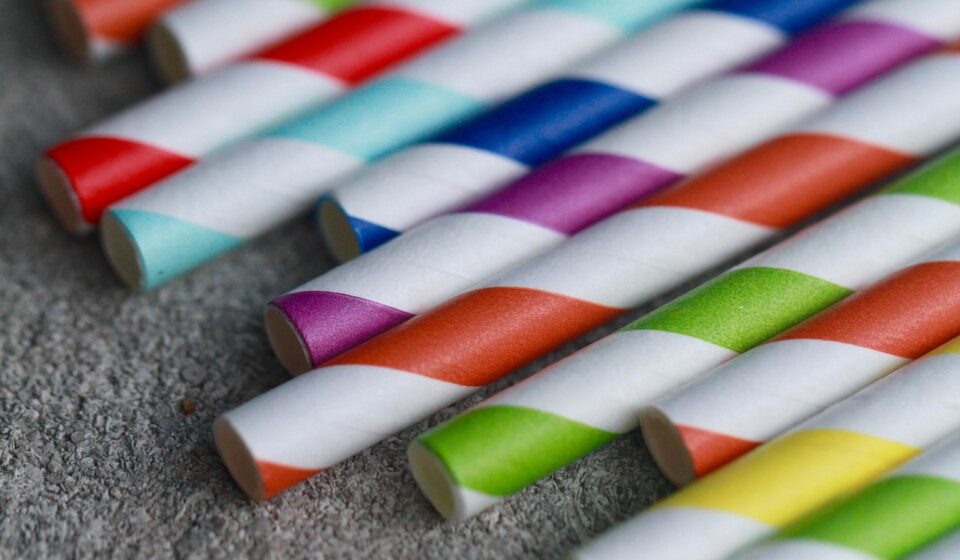
What biodegradable plastic means in practice
Biodegradable plastic is not one material class, and the term does not mean that a discarded item will quickly disappear in soil, seawater, or landfill. In plastic processing, it generally refers to plastics designed to be broken down by microorganisms under defined conditions into simpler substances such as carbon dioxide, water, biomass, mineral salts, or methane in oxygen-poor environments.
The important qualifier is under defined conditions. Temperature, moisture, oxygen, microbial activity, part thickness, additives, pigments, and available collection systems all affect whether a product actually breaks down as intended.
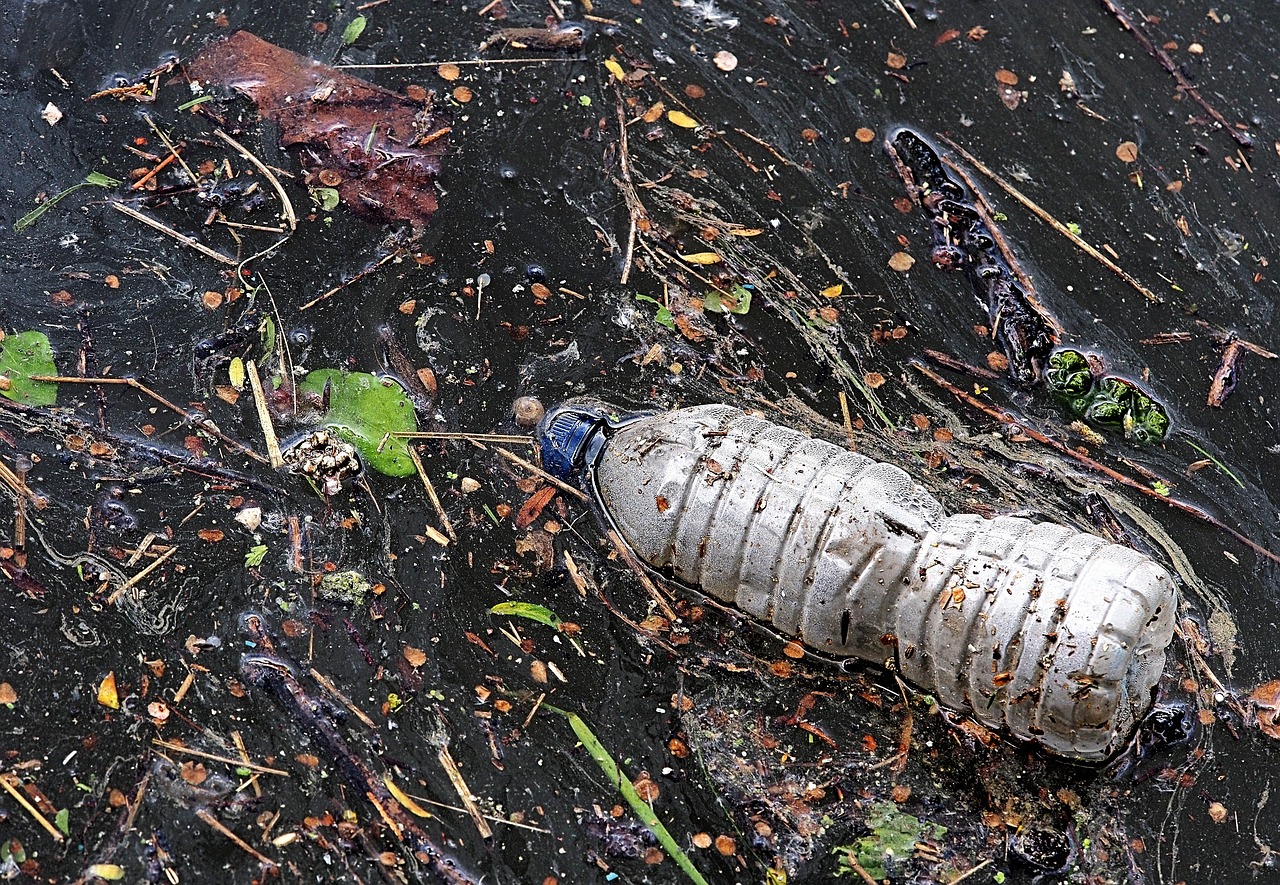
For processors and packaging teams, the first question is not simply whether a resin is biodegradable. The more useful question is whether the selected biodegradable plastic can meet the product’s performance requirements, run reliably on the chosen equipment, support a defensible claim, and reach a suitable end-of-life pathway after use. More articles on related conversion and materials topics can be found in the Plastic Processing section.
Biodegradable, compostable, and bio-based are different claims
Several environmental terms are often used together in the market, but they are not interchangeable. A bio-based plastic is made wholly or partly from biological feedstock, such as corn, sugarcane, starch, cellulose, or other biomass. It may or may not be biodegradable. Bio-based polyethylene, for example, can behave like conventional polyethylene at end of life.
A biodegradable plastic may be made from renewable feedstock, fossil feedstock, or a blend of both. Compostable plastic is a narrower category: it must biodegrade and disintegrate in a composting process without leaving problematic residue under the conditions set by a relevant standard.
This distinction matters because buyers may assume that “plant-based,” “bioplastic,” “biodegradable,” and “compostable” all point to the same disposal route. They do not. The European Commission’s 30 November 2022 policy framework on biobased, biodegradable, and compostable plastics warned against broad or vague claims and emphasized that benefits depend on the application and end-of-life conditions. The U.S. Federal Trade Commission’s Green Guides also require marketers to substantiate environmental claims and qualify claims when access to appropriate composting or degradation conditions is limited.
| Term | What it usually describes | Processing and claim implication |
|---|---|---|
| Bio-based plastic | Plastic made partly or fully from biomass | Renewable content must be measurable; biodegradation is not automatic |
| Biodegradable plastic | Plastic designed for microbial breakdown under specific conditions | Claims need test evidence and should identify the environment and timeframe |
| Compostable plastic | Plastic that meets composting criteria such as disintegration, biodegradation, and residue limits | Usually requires certification to standards such as ASTM D6400 or ISO 17088, depending on market |
| Oxo-degradable plastic | Plastic containing additives that accelerate fragmentation | Often controversial because fragmentation is not the same as proven biodegradation into harmless end products |
Where biodegradable plastics are gaining practical use
Demand is strongest where the item is difficult to recycle mechanically, likely to be contaminated with food or organic matter, or designed to be collected with biowaste. Common examples include food-service ware, produce bags, compostable bin liners, tea bags, coffee capsules, agricultural mulch films, and certain flexible packaging structures. In these applications, compostability or soil biodegradation can sometimes address a disposal challenge that conventional recycling does not solve easily.
Market data still needs careful reading. European Bioplastics’ 2025 market development update, compiled with the nova-Institute, estimated global bio-based plastics production capacity at about 2.31 million tonnes in 2025, or roughly 0.5% of the 431 million tonnes of plastics produced annually. It also reported that packaging remained the largest application segment, at 41.3% of bioplastics capacity, equal to about 0.95 million tonnes. The same update projected capacity growth to about 4.69 million tonnes by 2030.
Those figures point to growth, but they also show that bioplastics and biodegradable plastics remain specialty material groups, not direct replacements for all conventional polymers. Common biodegradable or compostable polymer families include PLA, PBAT, PBS, PHA, starch blends, cellulose-based materials, and blends designed to balance stiffness, flexibility, toughness, heat resistance, and processing window.
PLA is widely used in rigid packaging, thermoforming, fibers, and some injection molded items. PBAT and starch blends are more common in flexible films and bags. PHA is attracting interest because some grades can biodegrade in a wider range of environments, although commercial scale, cost, and application fit still vary by supplier and grade.
Processing considerations before switching materials
Biodegradable plastic can be converted by familiar methods such as extrusion, blown film, cast film, thermoforming, injection molding, coating, foaming, and compounding. However, “runs on conventional equipment” does not mean “runs exactly like polyethylene, polypropylene, PET, or polystyrene.” Processors should treat a material change as a full development project rather than a drop-in substitution.
Moisture control and drying
Many biodegradable polyesters are sensitive to moisture. If pellets absorb water before melt processing, hydrolysis can reduce molecular weight, lower melt strength, cause brittleness, create odor, or produce inconsistent viscosity. Supplier guides for PLA processing commonly emphasize sealed storage, desiccant drying, dew point control, and quick transfer from dryer to hopper. The exact target moisture level and drying temperature must come from the resin supplier’s data sheet, because overheating can also damage the material.
Thermal history and residence time
Biodegradable polymers may have narrower thermal windows than commodity resins. Excessive melt temperature, long residence time, dead spots in the screw or die, and repeated regrind loops can accelerate degradation. This is especially important in extrusion coating, sheet extrusion, and injection molding where cycle interruptions may be long. Purging procedures should be planned before trials, and operators should avoid leaving material in a hot barrel during downtime.
Mechanical and barrier performance
Material properties vary widely. PLA can offer clarity and stiffness, but its heat resistance and impact behavior may require grade selection, crystallization control, blending, or additives. PBAT brings flexibility but may need blending for stiffness and seal behavior. Starch blends can support compostability claims but may be moisture sensitive. PHA grades differ in crystallinity, processability, and cost.
For packaging, biodegradation data is only one part of qualification. Oxygen barrier, water vapor transmission, grease resistance, seal strength, puncture resistance, and shelf-life testing are equally important for commercial use.
Colorants, additives, inks, and adhesives
A finished article is more than the base resin. Pigments, slip agents, fillers, masterbatches, coatings, labels, inks, adhesives, and multilayer tie resins can affect compostability certification and disintegration. A film made with a certified compostable resin can still fail as a finished product if the total formulation does not meet the relevant requirements. Processors should confirm whether additives are approved for the target certification and whether the final part thickness has been tested.
Standards and labeling control what can be claimed
Standards do not make every product environmentally preferable, but they do create measurable criteria for claims. ASTM D6400 covers plastics and plastic products designed to be composted aerobically in municipal or industrial composting facilities. ISO 17088:2021 addresses compostable plastics through four main aspects: disintegration during composting, ultimate aerobic biodegradation, no adverse effects on terrestrial organisms, and control of constituents. Importantly, ISO 17088 does not provide requirements for plastics that end up as litter in the open environment. See also: Buying Guides.
In the United States, the FTC’s Green Guides state that compostable claims need competent and reliable scientific evidence showing that the materials will safely break down into usable compost in about the same time as the materials with which they are composted. The FTC also states that an unqualified degradable claim should not be made unless the entire product or package will completely break down and return to nature within a reasonably short period after customary disposal. For solid waste products, the FTC summary identifies one year as that period and notes that items destined for landfill, incineration, or recycling facilities will not degrade within a year.
State rules can be stricter than general marketing guidance. California’s Truth-in-Labeling rules, as summarized by CalRecycle, require compostable plastic products to meet ASTM D6400-19 and include additional identification and labeling requirements. CalRecycle also states that, beginning 30 June 2027, compostable consumer products must be made of materials that are allowable agricultural organic inputs under the USDA National Organic Program requirements. For national brands, a label that is acceptable in one market may not be acceptable everywhere.
In the European Union, the 2022 policy framework is not itself a comprehensive binding law for all biobased, biodegradable, and compostable plastics, but it sets an important direction: claims should be specific, measurable, and tied to applications where these materials bring genuine benefits. The Packaging and Packaging Waste Regulation entered into force on 11 February 2025, adding further pressure on packaging design, recyclability, reuse, and waste prevention. Companies supplying multiple regions should review standards and labeling at the product level rather than relying on a generic biodegradable plastic claim.
End-of-life limits should shape product design
The strongest case for biodegradable plastic is usually not “this item disappears anywhere.” It is “this item is suited to a defined recovery route that conventional plastic cannot use well.” Industrial composting, home composting, soil biodegradation, anaerobic digestion, mechanical recycling, and landfill are different environments. A material that performs in one route may not perform in another.
The U.S. Environmental Protection Agency notes that composting facility acceptance varies and feedstocks should be free of contaminants such as non-compostable packaging. This creates a practical barrier for packaging design. If local composters reject compostable plastics because they are hard to distinguish from conventional plastics, a certified item may still be screened out and landfilled. Clear labeling, distinctive color or striping where allowed, and coordination with waste managers can be as important as resin choice.
Biodegradable plastics can also interfere with conventional recycling streams when they look like PET, PE, or PP but behave differently during sorting, washing, extrusion, or pelletizing. For example, compostable packaging that enters a PET bottle stream can create quality concerns if it is not removed. Conventional plastic contamination can also reduce the value of compostable organics streams. Design teams should decide the intended end-of-life route early, then make material, color, label, and consumer-instruction decisions consistent with that route.
Marine litter is another area where cautious language is necessary. UNEP’s 2015 report on biodegradable plastics and marine litter concluded that widespread adoption of products labeled biodegradable would not significantly reduce the volume of plastics entering the ocean or the risks plastics pose to marine environments. That conclusion remains relevant because many biodegradable plastics require controlled conditions that are not present in cold seawater, buried sediment, or unmanaged litter.
A practical selection checklist for processors
Before specifying a biodegradable plastic, processors and packaging teams can reduce risk by asking the following questions:
- What problem is the material solving? The strongest candidates are applications where conventional recycling is unlikely and organic-waste collection is realistic.
- Which environment is the claim tied to? Industrial composting, home composting, soil biodegradation, and marine biodegradation are not interchangeable.
- Is the whole finished article certified? Resin certification alone may not cover additives, inks, adhesives, coatings, labels, or final wall thickness.
- Can existing equipment run the material consistently? Trial drying, screw design, temperature profile, residence time, output rate, die buildup, sealing, trimming, and scrap handling all need review.
- Does performance match the application? Test stiffness, impact strength, heat resistance, barrier properties, migration, shelf life, and real distribution conditions.
- Will customers know where to put it? Labels should be specific and should avoid vague language such as “eco-friendly” or “green” unless independently supportable.
- Will the local waste system accept it? Certification is valuable, but actual facility acceptance determines whether the intended end-of-life route is available.
The decision is rarely a simple material substitution. It is a system decision involving resin chemistry, equipment, product design, labeling law, collection infrastructure, and user behavior. When these elements align, biodegradable plastic can support targeted circular-economy goals. When they do not, it can add cost, create processing instability, weaken environmental claims, and contaminate recycling or composting streams.
Frequently asked questions
Is biodegradable plastic the same as compostable plastic?
No. Compostable plastic is a more specific category that must meet composting criteria under defined conditions. A biodegradable plastic may break down under some conditions, but that does not automatically mean it is suitable for industrial composting, home composting, or organic-waste collection.
Can biodegradable plastic be recycled with regular plastic?
Usually it should not be placed in conventional recycling unless a local program specifically accepts that material. Many biodegradable and compostable plastics have different melting behavior and material properties from PET, PE, or PP, so they can contaminate established recycling streams.
Does biodegradable plastic break down in landfill?
Landfill conditions are generally not the intended environment for compostable plastics. Low oxygen, compacted waste, limited moisture movement, and variable microbial activity can greatly slow degradation. Claims should be based on the customary disposal route, not on ideal laboratory conditions.
What is the most important processing issue with PLA and similar polyesters?
Moisture control is often critical. Many biodegradable polyesters need proper drying, sealed storage, and controlled residence time to avoid hydrolysis and thermal degradation during extrusion or injection molding. Processors should follow the specific resin supplier’s technical data sheet rather than using generic settings.
When is biodegradable plastic a good material choice?
It is most suitable when the product has a clear functional need, the finished article can meet an appropriate standard, the local end-of-life route accepts it, and the environmental claim can be stated accurately. It is least suitable when it is used only as a vague sustainability label without infrastructure or proof.