Polymer recycling guide for material selection and circular design
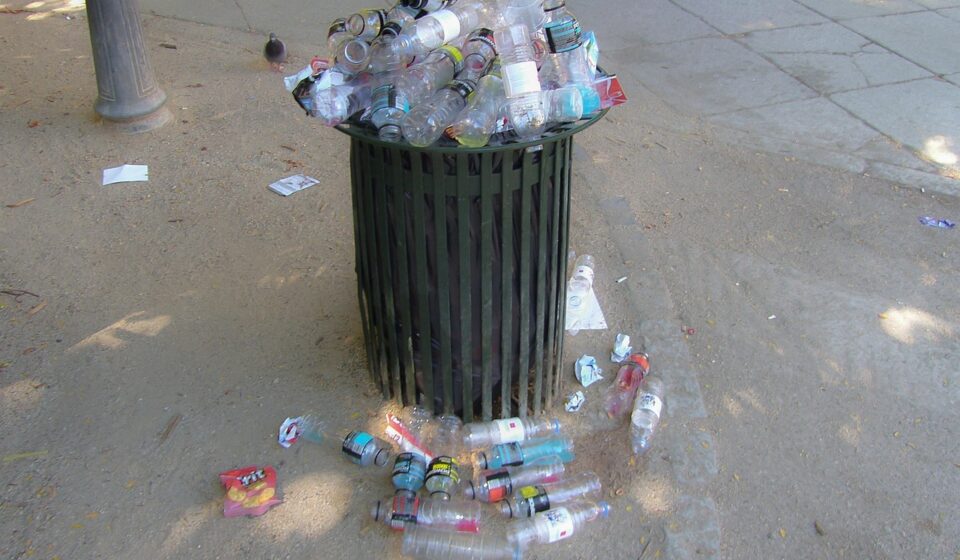
What polymer recycling means for material selection
Polymer recycling is not one technology, and it is not a simple yes-or-no label. In material selection, it functions as a design constraint: can the plastic be collected, sorted, reprocessed and sold into a dependable end market without unacceptable losses in performance, safety or economics?
The answer depends on the resin, product format, color, additives, contamination risk and local infrastructure. A clear PET bottle, a natural HDPE bottle, a black multilayer pouch and a glass-fiber reinforced engineering part are all plastics, but they do not follow the same recovery pathway. For manufacturers and designers, the useful question is not whether a polymer can be recycled in theory. It is whether the selected polymer and product design fit a real recycling stream at the expected scale.
This article focuses on polymer selection decisions for packaging and durable plastic articles. For related material choice topics, see the Polymer Selection section.
Why polymer choice changes recyclability
Recycling performance starts with chemistry. Most high-volume polymer recycling relies on thermoplastics, which can be softened or melted and reprocessed under controlled conditions. Thermosets, heavily crosslinked elastomers and many composite structures do not remelt in the same way. They often require grinding, filler reuse, energy recovery or specialized recovery routes instead of conventional melt reprocessing.
Even among thermoplastics, recyclability is not equal. Resin identification codes help identify the base polymer, but they do not prove that a product is accepted, sorted or recycled in a specific market. Shape, size and format matter because material recovery facilities are built around recognizable streams such as bottles, containers, film and rigid mixed plastics.
| Polymer or family | Common applications | Recycling selection implications |
|---|---|---|
| PET | Beverage bottles, food jars, thermoforms, fibers | Strong bottle recycling infrastructure in many markets; clear or light colors and compatible labels improve value. |
| HDPE | Milk jugs, detergent bottles, caps, drums | Natural HDPE usually has higher recycled value than mixed-color HDPE; product residues and pigments affect quality. |
| PP | Closures, tubs, automotive parts, appliances | Widely used, but recovery depends heavily on local sorting and end markets; melt flow, odor and fillers require control. |
| LDPE and LLDPE | Film, bags, shrink wrap, pouches | Clean commercial film can be valuable, while curbside flexible packaging is often difficult because of contamination and sorting losses. |
| PVC | Pipes, profiles, flooring, some films | Can be recycled in controlled streams, but PVC is a serious contaminant in PET recycling because chlorine chemistry can damage quality. |
| PS and EPS | Foodservice items, protective packaging, insulation | Low density, food residue and limited collection can make recovery difficult outside dedicated programs. |
| Engineering polymers and composites | Electronics, automotive, industrial components | Often require closed-loop take-back, dismantling or specialized recyclers because additives and mixed assemblies limit commodity recycling. |
Mechanical, physical and chemical recycling are different tools
The most established route for post-consumer polymer recycling is mechanical recycling. It generally involves collection, sorting, size reduction, washing, drying, extrusion and pelletizing. It works best when the incoming stream is consistent and contamination is controlled. That is why bottle streams often outperform mixed rigid plastics, and why clean industrial scrap is usually easier to recycle than post-consumer waste.
Mechanical recycling also has limits. Heat history, oxidation, moisture, incompatible polymers, pigments and residual chemicals can reduce molecular weight or change appearance, odor and processability. Stabilizers, compatibilizers and blending can help, but they cannot fully compensate for poor upstream design.
Physical recycling, including selected solvent-based processes, aims to separate or purify a polymer without fully breaking it down into basic chemical feedstocks. It may help with difficult materials such as some multilayer structures. Commercial viability, however, depends on solvent recovery, energy use, input quality, regulation and whether the output has a reliable buyer.
Chemical or feedstock recycling covers several different processes. Depolymerization can convert some condensation polymers, such as PET or polyamides, back toward monomers or intermediates. Pyrolysis and gasification can convert mixed hydrocarbon plastics into oils, gases or chemical feedstocks. These routes may expand options for materials that are hard to recycle mechanically, but they should not be treated as permission to ignore recyclability. Collection, yield, emissions, mass-balance rules and food-contact approvals still determine whether the route creates credible circular material.
| Route | Best fit | Main limitation |
|---|---|---|
| Mechanical recycling | Clean, sorted thermoplastics such as PET, HDPE and selected PP streams | Quality loss from contamination, degradation, color and incompatible polymers |
| Physical or solvent-based recycling | Selected polymers needing purification or separation from additives or layers | Process economics, solvent management and feedstock consistency |
| Chemical recycling | Some hard-to-recycle polymers, mixed polyolefins or depolymerizable materials | Energy demand, yield, regulatory recognition and transparent accounting |
| Composting or biodegradation | Certified compostable items in managed organic-waste systems | Not a substitute for polymer recycling and often unsuitable where composting collection is absent |
Design factors that improve real recovery
Design for recycling is most effective before tooling, sourcing and brand decoration are locked. Industry guidance from groups such as the Association of Plastic Recyclers and the U.S. Plastics Pact points to a consistent principle: a recyclable product should be compatible with existing collection, sorting and reprocessing systems, not merely recyclable under laboratory conditions.
Prefer mono-material structures when performance allows
Multilayer structures can provide barrier performance, stiffness, sealability and shelf-life benefits, but they are difficult to separate after use. If a product can meet performance requirements with a mono-material PE, PP or PET structure, the recycling case is usually stronger. Where barrier layers are unavoidable, designers should minimize incompatible materials and confirm that the structure fits an accepted design guide or a dedicated take-back system.
Control color, labels, adhesives and closures
Clear and natural polymers tend to preserve more future uses than dark or heavily pigmented materials. Labels should detach or separate in the intended wash process, and adhesives should not bleed, discolor or remain with the primary resin. Closures and liners should be selected so they either separate by density or are compatible with the target stream. For example, a PET bottle with a compatible PE or PP closure is easier to manage than a PET article contaminated with PVC, metal or non-separating components.
Watch additives, fillers and reinforcements
Additives are often essential for processing and performance, but they can narrow recycling options. Flame retardants, mineral fillers, glass fiber, impact modifiers, carbon black, plasticizers and odor-prone additives may change melt behavior or restrict end markets. In durable goods, a recycled engineering polymer may still have value, but it usually needs tighter specification control than commodity packaging resin.
Design for sorting, not only for resin identity
Small items can fall through sorting screens. Thin films may wrap around equipment. Black or dark materials may be hard for some optical sorters to identify, depending on pigment technology and facility capability. A resin code molded into a part helps with identification, but sortation often depends on near-infrared detection, product shape, density, magnetics, air classification and manual quality control. See also: Buying Guides.
Data and regulation signals to track
Polymer recycling decisions should be based on current market evidence because collection rates, end markets and legal requirements change. The OECD Global Plastics Outlook, published in 2022 using 2019 global data, estimated that only 9% of plastic waste was ultimately recycled after recycling losses, while larger shares were landfilled, incinerated, mismanaged or leaked. That global figure is not a design rule for every polymer, but it shows why theoretical recyclability is not enough.
In the United States, EPA materials data are current through calendar year 2018 for its national municipal solid waste series. EPA estimated 35.7 million U.S. tons of plastics generated in municipal solid waste that year, with about 3.09 million tons recycled, equal to an 8.7% plastics recycling rate. EPA also reported higher rates for specific bottle streams, including PET bottles and jars and natural HDPE bottles. The lesson for material selection is that format-specific streams can perform much better than mixed plastics overall.
More recent industry data show the same pattern. NAPCOR’s 2024 PET Recycling Report, released in December 2025, reported a 30.2% U.S. PET bottle recycling rate for 2024, following an updated 32.5% figure for 2023. This does not mean all PET formats recycle equally; bottles, thermoforms and fibers have different collection and end-market realities.
Regulation is also moving from voluntary claims toward measurable recycled content and recyclability requirements. In the European Union, Regulation (EU) 2025/40 on packaging and packaging waste entered into force in February 2025, and its rules began applying in phases from August 12, 2026. From 2030, the regulation introduces recyclability requirements for packaging and minimum recycled-content levels for plastic packaging categories, including 30% for PET contact-sensitive packaging, 10% for certain non-PET contact-sensitive packaging, 30% for single-use plastic beverage bottles and 35% for other plastic packaging, subject to the regulation’s detailed scope, exemptions and implementing acts.
Food-contact applications need additional care. FDA guidance on recycled plastics in food packaging emphasizes chemistry considerations, including the possibility that contaminants in recycled plastic could remain and migrate into food. In practice, food-contact recycled resin selection should be handled as a regulatory, quality and supplier-verification decision, not only as a sustainability claim.
A practical checklist for polymer selection
A recyclable design is rarely the result of one material choice. It comes from aligning polymer chemistry, product function, manufacturing economics and the recovery system. Before specifying a resin or recycled-content target, teams should work through a practical checklist.
- Define the recovery market. Identify whether the item is expected to enter curbside recycling, deposit return, commercial film recovery, industrial scrap recycling, take-back or no established stream.
- Choose the simplest polymer system that meets performance. Avoid unnecessary layers, inserts, coatings and incompatible secondary materials.
- Check sortation compatibility. Consider size, color, density, optical detection, labels, closures and whether the item will be recognized by the intended facility.
- Specify additives transparently. Record pigments, stabilizers, fillers, flame retardants and processing aids that could affect recycled resin quality.
- Validate recycled-content performance. Test mechanical properties, odor, color, migration risk, melt flow, process stability and batch variation before replacing virgin resin.
- Separate claims from capability. A product may be technically recyclable but not widely recycled. Marketing language should reflect actual acceptance and end-market evidence.
- Plan for documentation. Keep resin specifications, supplier declarations, recycled-content calculations and regulatory evidence available for customers and compliance teams.
Frequently asked questions
What polymer is easiest to recycle?
There is no universal answer, but PET and HDPE bottles are among the most established post-consumer plastic recycling streams in many markets. Their advantage comes from high-volume collection, recognizable formats and developed end markets. The same resin in a different format, color or multilayer structure may be much harder to recycle.
Is chemical recycling better than mechanical recycling?
Not automatically. Mechanical recycling is usually the preferred route when it can produce usable resin with lower complexity. Chemical recycling may help with certain contaminated, mixed or hard-to-recycle streams, but it must be evaluated for yield, energy use, emissions, cost, regulatory acceptance and the quality of the final output.
Does a resin identification code mean a plastic item is recyclable?
No. A resin identification code tells users what polymer family is present. It does not confirm that local programs accept the item, that sorting equipment will capture it or that a buyer exists for the recovered material. Recyclability depends on both material identity and system reality.
Can recycled polymer fully replace virgin resin?
Sometimes, but not in every application. Recycled polymer can work well when the stream is controlled and the specification matches the application. Critical uses may require testing for strength, impact resistance, color, odor, processability, contamination and food-contact or safety compliance.
How should designers balance recyclability and product performance?
Start with the product’s required function, then remove avoidable recycling barriers. If a barrier layer, additive or reinforcement is essential, document why it is needed and look for compatible alternatives. The strongest circular design protects the product during use and still fits a credible recovery pathway after use.