How to choose FRP panels for cleanable commercial walls
What FRP panels are used for
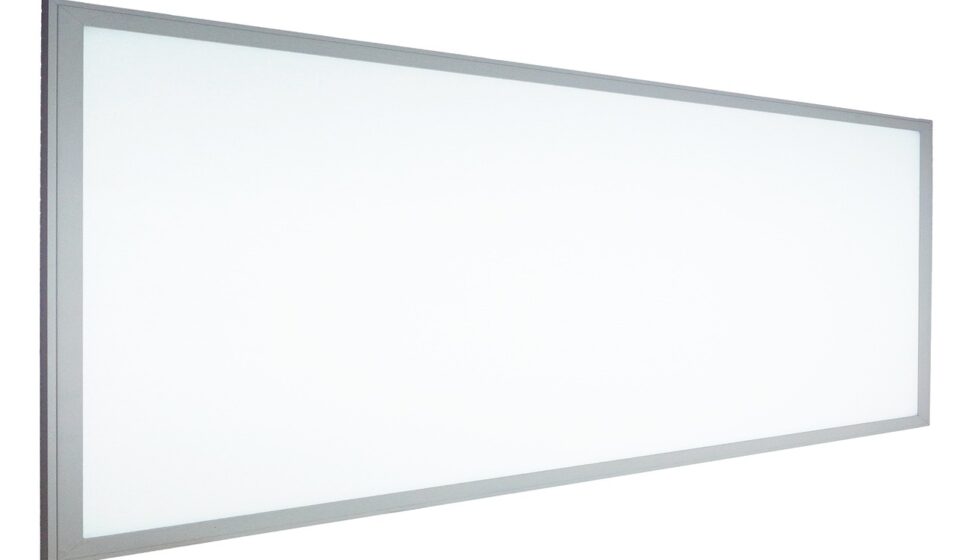
FRP panels, short for fiberglass reinforced plastic panels, are thin, rigid wall and ceiling coverings used where interior surfaces need to be durable, cleanable, and more moisture-tolerant than painted drywall. They are common in commercial kitchens, restrooms, food processing support areas, corridors, wash-down rooms, storage rooms, and service spaces.
A good buying decision is not just a matter of ordering a white sheet in the right size. Before specifying FRP, buyers should confirm the wall environment, required fire classification, substrate condition, seam treatment, adhesive compatibility, cleaning chemicals, and any sanitation documentation required for the project.
The key limitation is important: FRP is a protective interior finish. It is not a structural wall, a waterproofing membrane, or an automatic code solution. It performs best when the panel, adhesive, trim, and installation conditions are matched. It can fail early if panels are bonded over damp, dirty, unstable, glossy, or poorly prepared surfaces.
Where FRP panels make sense
FRP panels are usually selected for practical reasons rather than decorative impact. Their main value is a surface that can handle routine cleaning, splashes, scuffs, and light impacts better than ordinary painted gypsum board. In many commercial interiors, that balance of durability and cost is why FRP remains widely specified.
- Food service back-of-house areas: Kitchens, dishwashing zones, prep rooms, and utility areas often need smooth, washable wall finishes.
- Restrooms and locker rooms: FRP can help protect walls from humidity, cleaning, and frequent contact.
- Food and beverage support spaces: Storage, packaging, receiving, and non-direct food-contact zones may use FRP where cleanability is a priority.
- Healthcare, education, and institutional corridors: Panels can reduce wall damage in high-traffic areas, although design standards may call for a more decorative wall protection system.
- Light industrial rooms: Maintenance rooms, janitorial spaces, and production support areas may benefit from an impact-resistant washable finish.
FRP is not the right answer for every wall. Stainless steel may be preferred near heavy heat, open cooking lines, or areas exposed to aggressive mechanical abuse. Ceramic tile may suit public-facing spaces where appearance matters and the labor cost is acceptable. PVC, HDPE, or other plastic wall panels may be better where fiberglass dust during cutting is a concern or where a different chemical-resistance profile is needed.
For more material selection articles, visit Minle’s Buying Guides.
Buying criteria that matter before price
Match the panel to the cleaning load
Start with how the wall will actually be cleaned. Occasional wiping in a dry storage room is very different from daily detergent use in a dish room or a high-humidity wash-down area. Ask suppliers for maintenance instructions and chemical compatibility information before ordering. Some surfaces tolerate routine mild detergents well but may be damaged by abrasive pads, strong solvents, or repeated exposure to harsh sanitizers.
Texture matters as well. Pebbled FRP is common because it hides minor scuffs and wall irregularities. Smooth FRP can be easier to wipe visually clean in some applications, but it may show scratches, adhesive telegraphing, or substrate imperfections more readily. In food-related areas, the better choice is often the surface that cleaning staff can maintain consistently, not simply the one that looks best in a sample.
Confirm the substrate, not just the panel
Many FRP problems begin behind the sheet. Standard glue-up FRP usually needs a sound, dry, flat, and clean substrate. Porous substrates such as unfinished drywall or plywood are often easier to bond than glossy tile, sealed block, metal, or painted surfaces, but requirements vary by adhesive and manufacturer. If the existing wall has peeling paint, heavy joint compound ridges, grease, mold, trapped moisture, or movement, the panel may bubble or release.
Before ordering, check whether the project requires adhesive only, mechanical fasteners, factory-laminated panels, or a different wall system. Very wet rooms, car washes, or areas with frequent temperature swings may require special installation details because plastic composite panels expand and contract.
Read the fire rating correctly
Fire classification is one of the most common sources of confusion in FRP procurement. ASTM E84 is a widely referenced test method for the surface burning characteristics of building materials. Building codes commonly use flame spread index and smoke-developed index classifications for interior wall and ceiling finishes. A Class A interior finish is generally associated with a flame spread index of 0–25 and a smoke-developed index of 0–450; Class B and Class C allow higher flame spread ranges while still limiting the smoke-developed index.
This does not mean all FRP panels are Class A. Standard panels may be Class C, while fire-retardant versions may be Class A. Buyers should request the current test report or product data sheet for the exact panel, thickness, finish, backing, and installation assembly being purchased. A general statement such as “fire rated” is not specific enough for procurement or inspection.
Be careful with food-area claims
For restaurants, meat and poultry facilities, commercial kitchens, and food processing spaces, buyers often ask whether a panel is “food grade,” “USDA approved,” or “FDA approved.” These phrases are frequently used loosely. A safer purchasing approach is to define what the wall surface must do in its exact location: be durable, nonabsorbent, smooth, easily cleanable, moisture-resistant, and maintained so it does not create insanitary conditions.
USDA FSIS sanitation guidance for official meat and poultry establishments emphasizes durable, moisture-impervious, cleanable walls, floors, and ceilings. NSF/ANSI 51 addresses materials used in commercial food equipment, but a wall panel claim should still be checked against the actual listing, end-use zone, and project requirements. In many cases, the authority having jurisdiction, health department, project architect, or food-safety consultant will make the final acceptance decision.
Common FRP panel options
Most commercial buyers compare FRP panels by surface, fire classification, thickness, size, color, and accessory system. Common sheet sizes include 4 ft by 8 ft, 4 ft by 9 ft, 4 ft by 10 ft, and sometimes 4 ft by 12 ft. Nominal thicknesses around 0.090 inch are common in many standard wall panels, but thickness and tolerances vary by manufacturer and product line.
| Option | Best fit | What to verify |
|---|---|---|
| Standard pebbled FRP | Utility rooms, kitchens, restrooms, storage, and general wall protection | Panel thickness, color, Class C or other fire classification, matching trim, and approved adhesive |
| Smooth FRP | Areas where a flatter visual surface or easier wipe-down appearance is preferred | Scratch visibility, substrate flatness, cleaning method, and whether smooth finish affects availability |
| Class A FRP | Projects where the code, specification, or insurer requires lower flame spread classification | Current ASTM E84 or UL 723 documentation for the exact product and assembly |
| Ceiling-grade FRP panels | Lay-in ceilings or washable ceiling areas | Grid compatibility, sag resistance, humidity exposure, and required ceiling fire classification |
| Decorative FRP | Public-facing or semi-public areas needing more design flexibility | Wear layer, cleanability, lead time, repair options, and whether decorative grooves trap soil |
Accessories deserve the same attention as the panels. Division bars, inside corners, outside corners, end caps, base details, fasteners, and sealants control how moisture and movement are handled. Buying panels from one source and trim from another may look cheaper at first, but mismatched accessories can complicate installation and warranty support. See also: Care and Storage.
Installation details that affect performance
Even good FRP panels can perform poorly if they are installed like ordinary decorative paneling. Manufacturer instructions commonly call for panels to acclimate to the room environment before installation, adhesive to be spread with the correct notched trowel, and the full panel back to receive proper adhesive coverage. Installers also need to roll or press the panel firmly so the adhesive contacts both the panel and the substrate.
Expansion space is essential. FRP changes dimension with temperature and humidity, so panels should not be jammed tightly into moldings, corners, fixtures, pipes, or fasteners. Oversized holes are often required where penetrations pass through the panel. In wet areas, edges and penetrations must be sealed carefully so water does not migrate behind the sheet.
- Store panels flat and protect them from heat distortion before installation.
- Allow panels, adhesive, and the room to reach the required installation temperature.
- Prepare the wall so it is clean, dry, sound, and reasonably flat.
- Use the adhesive specified for the substrate, not a random construction adhesive.
- Plan seam locations before cutting to reduce narrow strips and awkward joints.
- Use moldings, sealant, or seam treatments according to the project’s moisture exposure.
- Do not assume FRP will solve an existing water leak or mold problem behind the wall.
If a project involves heavy wash-down, direct sunlight, freezer transitions, exterior exposure, or chemical processing, standard interior FRP installation guidance may not be enough. In those cases, request written recommendations from the panel and adhesive manufacturers before purchase.
A practical specification checklist
When comparing quotes, use a checklist that requires each supplier to identify the exact product rather than offering a vague equivalent. This is especially important when multiple trades are involved or when the project must pass inspection.
- Application area: Identify whether the panels are for walls, ceilings, wainscot, wet rooms, food prep areas, restrooms, or industrial support spaces.
- Panel description: Record brand, product line, thickness, finish, color, size, and edge condition.
- Fire documentation: Ask for ASTM E84 or UL 723 classification where required, including flame spread and smoke-developed values.
- Sanitation documentation: For food-related spaces, request cleanability, moisture-resistance, and any relevant NSF or food-area documentation without relying on broad approval language.
- Substrate approval: Confirm whether the adhesive is approved for drywall, plywood, concrete block, tile, painted surfaces, or other existing walls.
- Accessory system: Include trim, inside and outside corners, division moldings, sealants, fasteners, and color-matched components.
- Maintenance limits: Confirm acceptable cleaners, prohibited solvents, abrasive restrictions, and repair guidance.
- Lead time and damage allowance: Order enough material for cutting waste, damaged sheets, and attic stock for future repairs.
The lowest panel price is not always the lowest installed cost. A slightly more expensive panel that comes with the right fire rating, longer sheet size, matching accessories, and clear installation instructions may reduce field labor and inspection risk.
Frequently asked questions
Are FRP panels waterproof?
FRP panels are water-resistant, but a wall assembly is only as reliable as its seams, edges, penetrations, substrate, and sealant. They should not be treated as a standalone waterproofing membrane. In wet environments, follow the manufacturer’s wet-area installation details and correct any moisture problem behind the wall before covering it.
Can FRP panels be installed over existing tile?
Sometimes, but it depends on the tile condition, surface gloss, flatness, moisture, and adhesive approval. Loose tile, soap residue, grease, and glossy surfaces can prevent good bonding. Many projects require sanding, cleaning, priming, mechanical fastening, or a different panel system.
Do all FRP panels meet Class A fire requirements?
No. FRP panels are sold in different fire classifications. If Class A is required, request documentation for the exact panel and assembly. Do not rely on a generic statement that FRP is fire rated.
Is FRP better than PVC wall panels?
Neither material is automatically better. FRP is fiberglass reinforced and is often chosen for impact resistance and familiar commercial installation systems. PVC panels may be preferred for certain chemical, weight, or cutting considerations. Compare the actual product data, not just the material name.
How long do FRP panels last?
Service life depends on cleaning methods, impact exposure, moisture control, temperature movement, installation quality, and chemical exposure. A well-installed panel in a moderate interior environment can last for many years, while a poorly bonded panel in a wet or unstable wall can fail much sooner.
Final buying advice
Choose FRP panels by application risk, not by sheet price alone. For a dry storage wall, a standard panel with compatible adhesive and trim may be enough. For a commercial kitchen, restroom, or food-related space, documentation, seam treatment, and cleanability become more important. For corridors or regulated interiors, fire classification may drive the specification. For wet or high-humidity rooms, expansion space, sealed penetrations, and substrate preparation are critical.
The best procurement package identifies the panel, fire rating, surface, size, adhesive, trim, sealant, substrate conditions, and maintenance limits before installation begins. That level of detail helps buyers avoid rejected materials, callbacks, bubbling panels, and walls that are harder to clean than expected.