Polypropylene buying guide for packaging and molded parts
What polypropylene is and when it is a good fit
Polypropylene is a lightweight, semi-crystalline polyolefin used in packaging, caps and closures, housewares, appliance parts, automotive components, fibers and reusable containers. Buyers usually consider polypropylene when they need a practical balance of low density, chemical resistance, fatigue resistance, moldability and moderate heat performance at a commodity-plastic cost. The real purchasing question is not simply whether to buy PP, but which PP family, melt flow range, additive package and compliance profile match the part. For more material selection topics, see our buying guides.
In common applications, polypropylene is a strong candidate for living hinges, snap-fit features, thin-wall injection molding, films, fibers and containers that need resistance to many acids, bases and cleaning chemicals. It is less suitable when the design requires the glass-like clarity of PET or PC, long-term outdoor exposure without UV stabilization, very high continuous service temperature, or strong adhesive bonding without surface treatment.
Key polypropylene properties buyers should verify
Polypropylene is often discussed as a single material, but commercial PP includes many resin structures and compounded grades. Public technical references from the British Plastics Federation describe PP as a linear hydrocarbon polymer and note its low density, chemical resistance and higher softening point compared with many polyethylene grades. Those general strengths are useful for screening, but they do not replace a grade-specific technical data sheet.
Density and weight. Unfilled polypropylene is commonly valued for its low density, usually around 0.90 g/cm³ in many commercial grades. This matters in packaging and transport because a part can often meet stiffness requirements at a lower weight than denser engineering plastics. Filled compounds, especially talc-filled or glass-reinforced PP, will be heavier.
Heat performance. PP typically melts in a range around the mid-160°C region, depending on crystallinity and grade. FDA food-contact regulations for certain propylene homopolymers use a melting-point range of 150-180°C, which shows why buyers should avoid treating one temperature value as universal. For finished parts, check heat deflection temperature, Vicat softening point and the actual service condition. Storage heat, hot filling, dishwasher cycles, sterilization, sunlight exposure and contact with hot oils can create very different risks.
Mechanical balance. Homopolymer PP tends to offer higher stiffness and strength, while copolymer grades improve impact resistance or clarity depending on structure. LyondellBasell material-selection guidance separates homopolymer, random copolymer and impact copolymer PP by characteristics such as see-through clarity, cold-temperature impact and elevated-temperature performance. The main trade-off is straightforward: improving toughness or clarity may reduce stiffness or heat resistance.
Chemical resistance and limits. PP performs well against many aqueous chemicals, detergents, acids and alkalis, which is why it is used in closures, labware, containers and pump or valve components. Compatibility still has to be checked against the exact chemical, concentration, temperature, stress level and contact duration. Hydrocarbons, oxidizing chemicals, fragrances, essential oils and high-temperature liquids can cause swelling, stress cracking, odor pickup or property loss in some situations.
Surface energy and decoration. Polyolefins such as PP have low surface energy. Printing, painting, bonding and coating may require corona, flame, plasma or primer treatment. If branding, labels, in-mold decoration or adhesive assembly are important, ask the supplier and converter to confirm the surface-treatment window before approving the resin.
Polypropylene grade families compared
The most useful first filter is the PP family. The table below gives a buyer-level comparison; final selection should still be based on the producer’s current technical data sheet and trial results.
| PP family | Main strengths | Common trade-offs | Typical buying use cases |
|---|---|---|---|
| Homopolymer PP | Good stiffness, strength, heat resistance and processability | Lower low-temperature impact than impact copolymer grades | Caps, closures, housewares, thin-wall containers, general injection molded parts |
| Random copolymer PP | Better clarity and improved softness or impact versus many homopolymers | Usually lower stiffness and heat resistance than comparable homopolymer grades | Transparent containers, medical packaging components, clarified packaging, consumer goods |
| Impact copolymer PP | Improved toughness, especially at lower temperatures | Lower clarity and sometimes lower stiffness than homopolymer PP | Crates, pails, automotive parts, appliance parts, durable molded goods |
| Filled or reinforced PP | Higher stiffness, dimensional stability or heat deflection depending on filler | Higher density, possible brittleness, tool wear and surface appearance issues | Automotive trim, appliance housings, structural supports, load-bearing molded parts |
| Oriented film and fiber PP | Good moisture barrier, process efficiency and low weight | Requires film or fiber grade selection, not generic molding resin | BOPP film, woven sacks, nonwovens, labels, tapes and packaging films |
Match the grade to the processing route
The processing route is one of the fastest ways to narrow the grade list. A resin that runs well in high-speed thin-wall injection molding may be unsuitable for sheet extrusion or blow molding. Melt flow rate is important, but it should be considered together with molecular weight distribution, additive package and part design.
Injection molding
Injection molders often look for PP grades with melt flow rates high enough to fill thin sections, long flow paths and multi-cavity tools. Thin-wall packaging may also need fast crystallization and clean demolding. Durable goods often put more weight on impact strength, dimensional stability and reduced warpage. If the part includes living hinges, request hinge-fatigue data or relevant application history rather than assuming any PP grade will perform the same way.
Extrusion and sheet
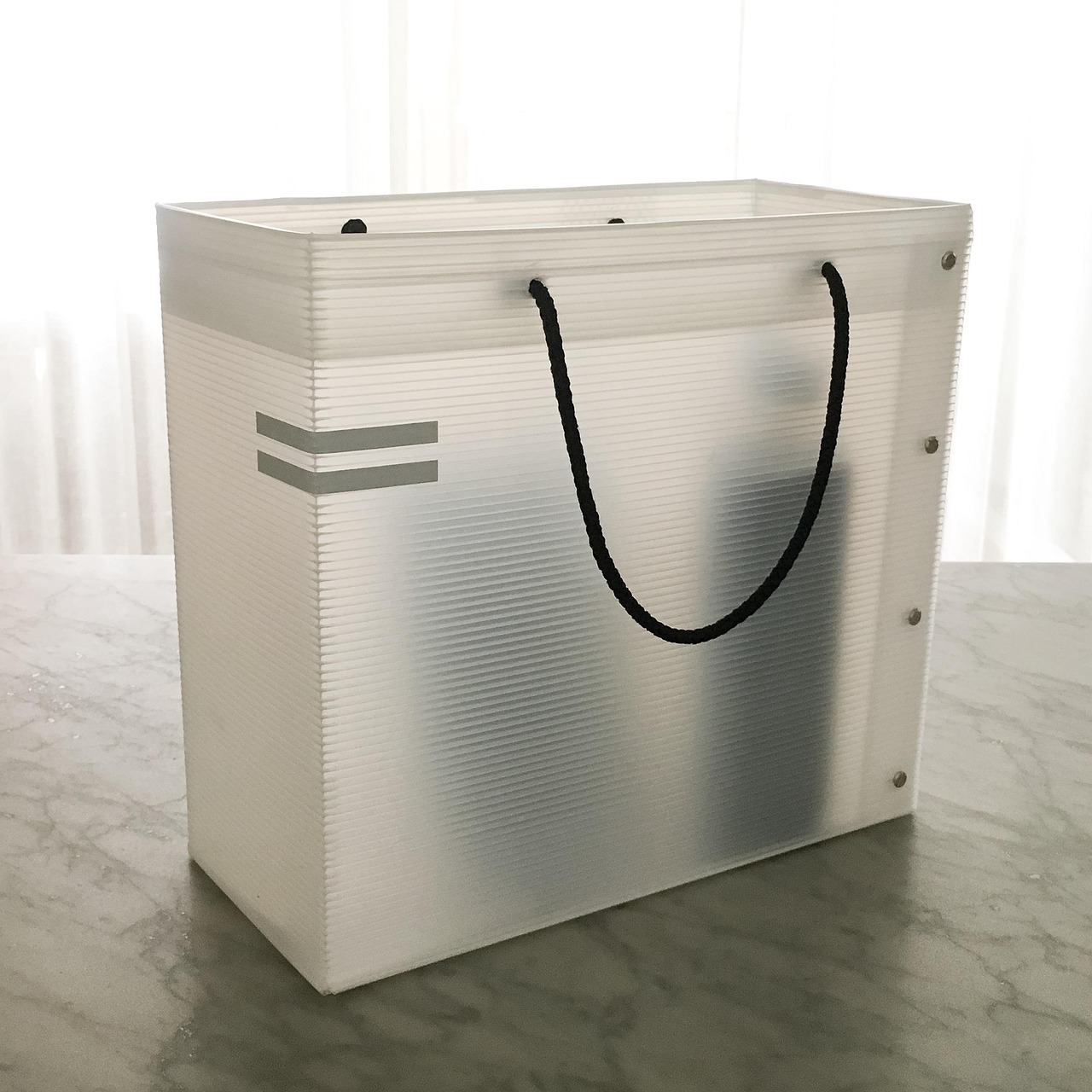
Extrusion grades usually need melt strength and stable output, not just fast flow. Sheet for thermoforming must maintain gauge control and formability. For corrugated sheet, pipe, profiles or strapping, check tensile properties, stiffness, shrinkage and long-term creep under load.
Film and fiber
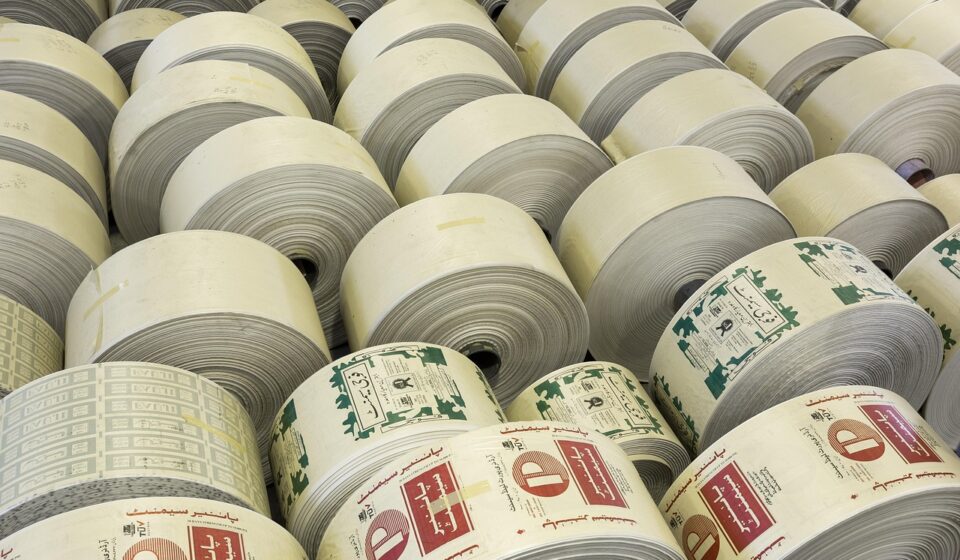
Film and fiber PP grades are selected for drawability, clarity, sealability, stiffness, barrier needs and consistency. BOPP film, cast film, spunbond nonwoven and woven tape are different processes, so they should not be specified with one generic PP description. Additives such as slip, antiblock, antistatic agents and nucleating or clarifying agents can be decisive for production performance.
Blow molding and hollow parts
For bottles, containers and other hollow parts, buyers should ask about melt strength, parison stability, environmental stress resistance and top-load performance. Chemical packaging also requires compatibility testing with the intended contents, because a good general-purpose PP may still fail under the combined effect of chemical exposure, temperature and mechanical stress.
Compliance, sustainability and sourcing questions
Compliance should be treated as grade-specific, not material-name specific. In the United States, 21 CFR 177.1520 covers olefin polymers, including polypropylene categories, for specified food-contact uses subject to conditions and limitations. FDA food-contact chemistry guidance also highlights resin characterization factors such as molecular weight distribution, melt flow index and crystallinity. In practice, a buyer should request a current food-contact declaration, applicable limitations, additive disclosures where available, and confirmation that colorants and processing aids are also suitable for the intended use.
The resin identification code for polypropylene is 5, but ASTM D7611 makes an important distinction: the code identifies the plastic resin and does not by itself mean the article is recycled, recyclable, food-safe or accepted by a local recycling system. This is important for packaging claims. A #5 mark can help sorting, but recyclability still depends on product design, color, labels, closures, additives, local collection and actual reclamation infrastructure. See also: Care and Storage.
Recycled polypropylene can reduce dependence on virgin resin, but it needs tighter procurement controls. Ask whether the material is post-consumer recycled, post-industrial recycled or reprocessed off-grade resin. Confirm melt flow range, odor, color, contamination controls, filtration level, mechanical-property retention and regulatory suitability. For food contact, recycled-content claims and approvals are particularly sensitive; do not assume recycled PP can be used in the same applications as virgin PP without documented clearance.
Supplier data sheet checklist
A reliable PP purchase specification should be more detailed than “natural PP pellets” or “food-grade PP.” At minimum, collect the following items before approving a grade:
- Polypropylene family: homopolymer, random copolymer, impact copolymer, filled compound, film grade or fiber grade.
- Melt flow rate and test condition, commonly reported at 230°C with a 2.16 kg load for PP.
- Density, tensile strength, tensile modulus, flexural modulus and elongation.
- Impact data, including test method and temperature, such as notched Izod or Charpy impact.
- Heat deflection temperature, Vicat softening point and any recommended continuous-use limits.
- Mold shrinkage or dimensional guidance for the intended processing method.
- Additives, such as UV stabilizer, antistatic agent, slip, antiblock, nucleator, clarifier, flame retardant or filler.
- Color, lot consistency, certificate of analysis and change-notification policy.
- Food-contact, medical, automotive, electrical or packaging declarations required for the market.
- Recycled content percentage, recycled feedstock type and traceability documents if sustainability claims will be made.
For critical parts, request sample material for molding or extrusion trials. A data sheet reports typical properties; it does not guarantee performance in every tool, wall thickness or use environment. Trial parts should be checked for fill, sink, warpage, gloss, odor, color stability, hinge performance, drop impact, creep, assembly fit and chemical exposure.
Common buying mistakes to avoid
Choosing by melt flow alone. Melt flow helps predict processability, but it does not fully describe toughness, stiffness, shrinkage, clarity or long-term performance. Two grades with similar MFR can behave differently because of molecular weight distribution, comonomer content or additives.
Assuming all polypropylene is food grade. PP is widely used in food packaging, but food-contact suitability depends on the exact resin, additives, colorants, processing conditions and intended food type and temperature. Ask for a declaration tied to the specific grade and region.
Ignoring cold impact. Homopolymer PP can become brittle in cold conditions. If a crate, pail, closure or appliance part will be dropped or transported in winter, consider impact copolymer grades and test at the expected low temperature.
Using unstabilized PP outdoors. PP can degrade under UV exposure without suitable stabilization. Outdoor applications should specify UV-stabilized grades and be validated with weathering tests that match the region and service life target.
Making recycling claims from the resin code. The #5 PP code is not a recyclability guarantee. Packaging teams should evaluate labels, inks, closures, pigments, fillers and local recycling acceptance before making environmental claims.
Frequently asked questions
Is polypropylene better than polyethylene?
Not universally. Polypropylene usually offers higher stiffness and better heat resistance than many polyethylene grades, while polyethylene often provides better low-temperature toughness and easier stress-crack resistance in some packaging and pipe applications. The better choice depends on the part geometry, temperature, chemical exposure and processing route.
Which polypropylene grade is best for clear packaging?
Random copolymer PP, especially clarified grades, is commonly selected when see-through appearance is important. However, PP will not always match the clarity of PET, PS or PC. Buyers should compare haze, gloss, impact, heat resistance and regulatory status before switching.
Can polypropylene be used for food-contact parts?
Yes, specific PP grades can be used for food-contact applications when they comply with the applicable regulations and conditions of use. The buyer should obtain written confirmation for the exact grade, additives, color and intended temperature or food type rather than relying on the material name alone.
What does melt flow rate mean for polypropylene?
Melt flow rate indicates how easily molten PP flows under a defined test condition. Higher MFR grades often fill thin-wall injection molds more easily, while lower MFR grades may provide higher melt strength for extrusion or blow molding. It is a selection guide, not a complete performance guarantee.
Is recycled polypropylene suitable for molded products?
It can be suitable for many molded products, especially non-food and non-critical applications, if the recycled resin has controlled melt flow, contamination, odor, color and mechanical properties. For regulated uses or demanding parts, recycled PP needs documented traceability and application-specific testing.