Plastic welding methods and design considerations for thermoplastic parts
What plastic welding means in thermoplastic processing
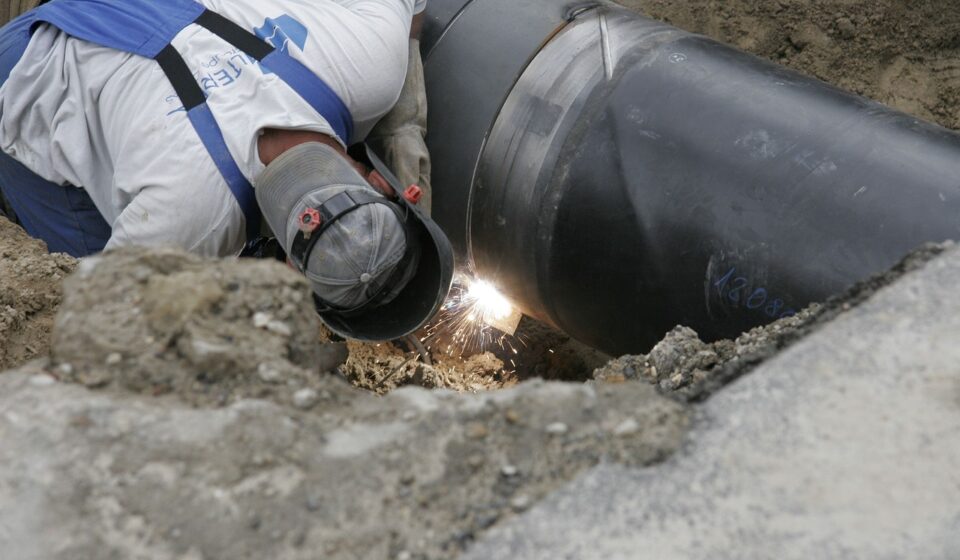
Plastic welding is the controlled joining of compatible thermoplastic surfaces. The joint area is softened or melted, the parts are pressed together, and the material is allowed to cool into a consolidated bond. In manufacturing, it is not a single process but a group of joining methods, including hot gas, extrusion, hot plate, ultrasonic, vibration, spin, infrared, laser and electromagnetic techniques.
The best method depends less on the term welding itself and more on the polymer, joint geometry, required seal, production volume, tolerance window and safety controls. A polyethylene tank repair, a leak-tight medical housing and a large thermoplastic pipe joint may all be described as plastic welding, but each one calls for a different process window and equipment choice.
Industry references such as ISO plastics vocabulary standards, the American Welding Society thermoplastics qualification standard AWS B2.4:2023, TWI technical guidance and ASM handbook material point to the same core principle: weld quality depends on matching heat generation, pressure, surface preparation and cooling to the material and part design. This article focuses on thermal and mechanical welding of thermoplastics, not adhesive bonding or decorative joining. Related articles are available in Plastic Processing.
How the main plastic welding methods create heat
Most plastic welding methods can be grouped by the way they generate heat at the joint. External heating methods bring heat from outside the joint. Mechanical methods create heat through vibration or friction. Electromagnetic and radiation-based methods rely on energy absorption within or near the joint. This distinction affects part design, tooling cost, cycle time, weld appearance and inspection strategy.
| Method | How heat is generated | Typical strengths | Common limits |
|---|---|---|---|
| Hot gas welding | A stream of heated gas softens the base material and often a filler rod | Useful for fabricated tanks, sheet, ducting and repairs | Operator skill, surface preparation and temperature control strongly affect consistency |
| Extrusion welding | Molten compatible filler is extruded into a prepared joint while surfaces are preheated | Good for thicker sheet, large structures and long seams | Usually slower than automated molded-part welding and requires careful joint preparation |
| Hot plate or heated tool welding | Part surfaces contact or approach a heated tool, then are pressed together | Robust for many thermoplastics, pipes, reservoirs and larger molded parts | Can create flash and may have longer cycle times than ultrasonic or vibration methods |
| Ultrasonic welding | High-frequency mechanical vibration concentrates heat at the joint interface | Fast, clean and widely automated for small to medium molded parts | Needs suitable joint design, good fixturing and predictable energy transfer |
| Vibration and spin welding | Friction from linear, orbital or rotational motion softens the interface | Strong joints and short cycles for suitable geometries | Vibration favors relatively flat joint interfaces; spin welding is limited to circular or axisymmetric joints |
| Infrared and laser welding | Radiation is absorbed at or near the joint and converted into heat | Non-contact heating, controlled energy input and potential for clean visible surfaces | Optical properties, pigments, additives, thickness and joint access can limit feasibility |
| High-frequency, resistance and induction methods | Electrical or electromagnetic energy heats the joint or an implant/susceptor | Useful for selected materials, films, fabrics or specialized assemblies | Material response and tooling requirements must be verified for each application |
No method is universally better. A slower manual process may be the right choice for field fabrication, while an automated ultrasonic or laser process may suit high-volume molded parts. Selection should start with the part and polymer, not with the machine brochure.
Material compatibility and joint design matter more than settings
A welding machine can only operate within the limits of the plastic material. Thermoplastics soften when heated and can usually be welded when compatible surfaces can flow together before degradation begins. Thermosets, by contrast, do not remelt in the same way after curing and are generally not welded by conventional thermoplastic welding methods.
Start with the polymer family
The most reliable welds usually come from the same or closely compatible thermoplastic grades. Polyethylene is commonly welded to polyethylene, polypropylene to polypropylene and PVC to compatible PVC grades. Cross-family welding is difficult because melt temperature, viscosity, crystallinity, polarity, thermal expansion and chemical structure may not match. Even within the same polymer family, fillers, flame retardants, pigments, glass fiber, impact modifiers and recycled content can change heat absorption and melt flow.
Amorphous and semi-crystalline plastics also behave differently. Amorphous materials typically soften over a broader temperature range, while semi-crystalline materials may have a sharper melting transition and higher shrinkage. One category is not automatically better than the other; the tooling, energy input and cooling control must fit the material. For laser welding, color and transmission are especially important because the process depends on how radiation passes through one layer and is absorbed at the joint or by the mating component.
Design the joint before locking the process
Good weld design gives heat and pressure a repeatable path. Ultrasonic welding often uses energy directors, shear joints or other features that focus vibration energy where melting should begin. Hot plate and vibration welding need allowance for melt displacement and flash management. Extrusion and hot gas welding require joint preparations such as V-grooves, T-joints or butt configurations so the softened base material and filler can fuse properly.
Designers should also consider tooling access, part support, clamp force, collapse distance, venting, leak paths and post-weld appearance. A joint that looks simple in CAD can become difficult to weld if the part flexes under load, if the weld line is too far from the energy source, or if bosses and ribs block uniform pressure. Early design review is usually cheaper than trying to rescue a poor joint with a wider process window.
Process control and inspection turn a weld into a repeatable operation
Plastic welding is often described in terms of temperature, time and pressure, but each method has its own control variables. Hot gas and extrusion welding require attention to gas temperature, flow, travel speed, filler compatibility and bead placement. Hot plate welding depends on tool temperature, heating time, changeover time, joining pressure and cooling time. Ultrasonic welding may be controlled by weld time, energy, power, amplitude, force, distance or collapse. Vibration welding adds frequency, amplitude and friction pressure. Laser welding introduces laser wavelength, power, travel speed, beam shape, clamping and optical transmission.
Repeatability improves when these parameters are documented and tied to acceptance criteria. As of September 2026, AWS lists AWS B2.4:2023 as a specification for welding procedure and performance qualification for thermoplastics. Standards and guidelines from organizations such as AWS, DVS and ISO do not replace engineering judgment, but they provide a framework for procedure qualification, welder qualification, terminology and inspection language. For regulated or safety-critical work, the applicable customer, industry or jurisdictional requirements should be identified before production begins.
Inspection should match the risk of the part. Visual inspection can reveal undercut, contamination, poor bead shape, excessive flash, voids, burn marks, incomplete fusion and misalignment. Destructive tests such as bend, tensile, peel or sectioning can help qualify a procedure. Leak, pressure, burst or vacuum tests may be needed for tanks, ducts, pipes and fluid-handling components. For high-volume molded assemblies, production monitoring of force, displacement, energy or power curves can provide useful signals, but process data should be correlated with real weld performance rather than treated as proof by itself.
Safety and environmental controls should be built into the process
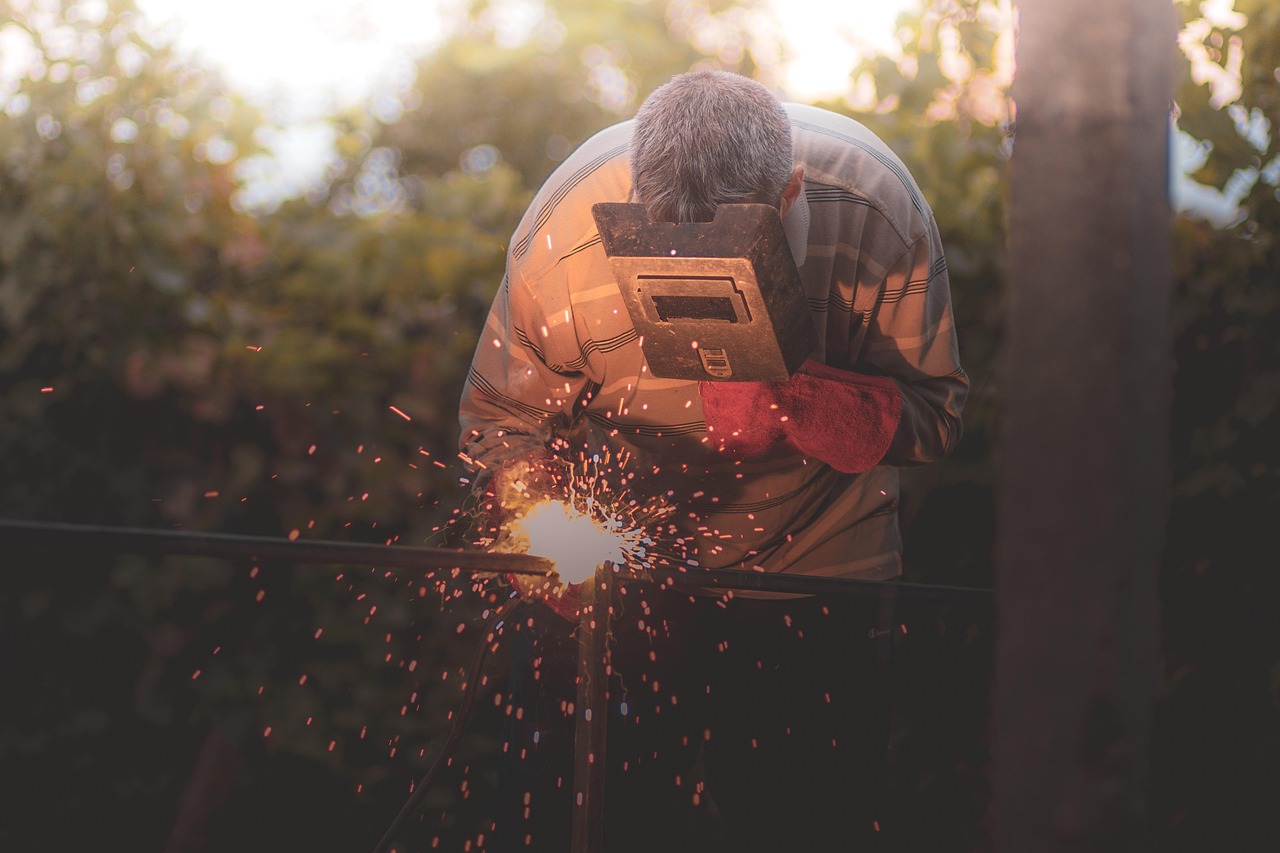
Plastic welding should soften or melt the joint, not char or burn the polymer. Overheating can degrade the material, weaken the joint and release irritating or hazardous fumes. The exact hazard depends on the resin, additives, contaminants and temperature. PVC, fluoropolymers, flame-retarded compounds and unknown recycled materials deserve particular caution because their thermal decomposition products can be more hazardous than those from many commodity polyolefins. See also: Buying Guides.
OSHA welding and hot-work guidance emphasizes keeping fumes and smoke within safe limits through suitable ventilation or respiratory protection where needed. NIOSH guidance on welding fumes stresses controlling exposure as low as feasible and meeting limits for individual constituents. For plastics, the practical approach is to review the safety data sheet for the exact material, avoid overheating, use local exhaust ventilation where fumes may occur, keep operators out of the plume and select gloves, eye protection and respiratory protection based on the hazard assessment.
Safety planning should also cover burn risk from hot tools and molten polymer, pinch points from presses and clamps, electrical safety, laser guarding where applicable, compressed gas management and fire prevention. A clean process window is usually safer and more consistent than a process that relies on excessive heat to compensate for poor fit-up.
How to choose a plastic welding method
A practical selection process starts with the application requirements and narrows the options step by step. The following sequence is useful for molded parts, fabricated sheet, pipework and repair work:
- Identify the exact material. Confirm polymer type, grade, filler content, color, recycled content and additives. Do not assume that two black plastic parts are the same material.
- Define the joint requirement. Decide whether the weld must carry load, hold pressure, seal against liquid, resist chemicals, pass cosmetics inspection or survive vibration and temperature cycling.
- Review geometry and access. Check weld line length, part stiffness, joint flatness, circularity, available clamp area and whether the weld must be hidden.
- Estimate production needs. Manual hot gas welding may fit low-volume fabrication; ultrasonic, vibration, spin, hot plate or laser welding may fit repeatable production depending on part shape and investment level.
- Plan qualification and inspection. Select test methods before production so the weld is judged against measurable criteria rather than appearance alone.
- Check health, safety and environmental controls. Confirm ventilation, guarding, training and waste handling before the process is released.
If the part is small, molded, rigid and suited to an energy director, ultrasonic welding is often worth evaluating. If the part is round and can rotate, spin welding may be efficient. If the joint is large or the material needs robust thermal contact, hot plate welding may be more forgiving. If the seam is long on fabricated sheet, extrusion or hot gas welding may be practical. If a clean external surface, non-contact heating or sealed electronics housing is important, laser or infrared welding may be attractive, provided the optical and material requirements can be met.
Common plastic welding problems and what they usually indicate
Weld defects are often symptoms of a mismatch between material, design and process control. A cold-looking bead or weak peel strength may indicate insufficient heat, low pressure, short weld time, contamination or poor surface contact. Excessive flash may indicate too much heat, too much pressure, excessive collapse or inadequate flash-trap design. Brown marks, smoke or brittle welds may point to overheating or polymer degradation. Voids can come from moisture, contamination, trapped air, poor filler handling or unstable bead placement.
Warpage after welding can be caused by uneven heating, unbalanced joint design, high residual stress or inadequate fixturing during cooling. In ultrasonic welding, inconsistent results may come from poor part support, variation in molded dimensions, damaged energy directors or changes in material lots. In laser welding, a change in pigment or filler package can alter transmission and absorption enough to shift the process window. The most effective troubleshooting starts with one change at a time and records how the weld responds.
Frequently asked questions
Can all plastics be welded?
No. Conventional plastic welding is mainly used for thermoplastics because they can soften or melt when heated and solidify again when cooled. Thermosets and heavily degraded materials generally cannot be welded in the same way. Even among thermoplastics, the materials must be compatible and able to flow together without excessive degradation.
Is plastic welding stronger than adhesive bonding?
It depends on the material, joint design, loading condition and process control. A well-designed weld in compatible thermoplastics can be very strong and can avoid adhesive curing time or chemical compatibility issues. Adhesives may still be better for dissimilar materials, large bonded areas, heat-sensitive assemblies or parts that cannot tolerate welding pressure and motion.
Why do welded plastic parts sometimes fail at the joint?
Common causes include material mismatch, contamination, insufficient heat, excessive heat, poor joint design, inadequate pressure, rapid or uneven cooling and weak fixturing. Failure can also occur next to the weld if the heat-affected area becomes brittle or highly stressed. Testing should identify whether failure is adhesive-like at the interface, cohesive through the material, or caused by the surrounding part geometry.
Does plastic welding need filler rod?
Some methods use filler and some do not. Hot gas and extrusion welding often use compatible filler rod or extrudate, especially for sheet fabrication and repair. Ultrasonic, vibration, spin, hot plate, infrared and many laser welds usually join the two molded surfaces directly without added filler.
What is the first thing to check before selecting a plastic welding process?
Confirm the exact thermoplastic material and the joint requirement. Without knowing the polymer grade, additives and required performance, it is difficult to choose the correct heat source, joint design, process window or inspection method. Material identification is the foundation of reliable plastic welding.