Care and storage guide for thermoplastic and thermosetting polymers
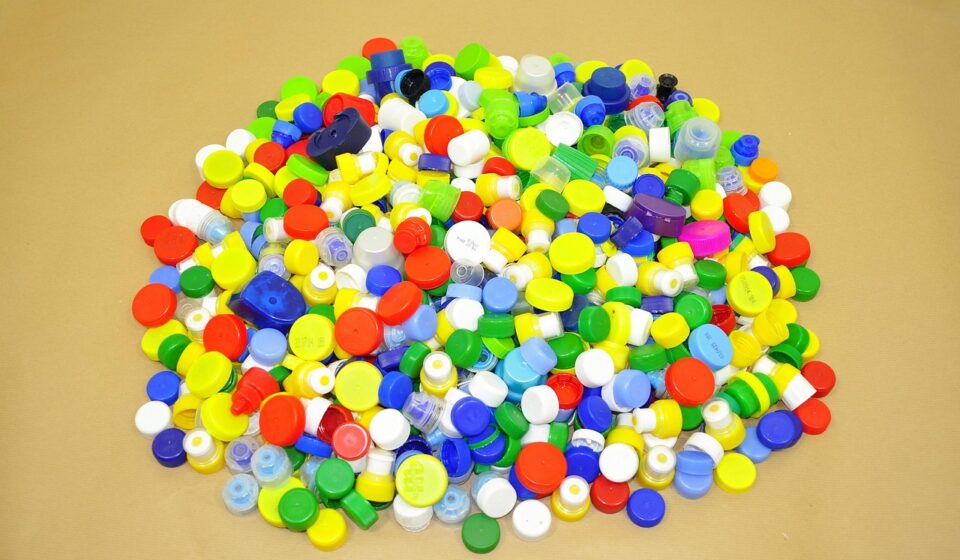
Why polymer type changes storage decisions
Storage decisions for plastic parts, samples and objects should start with polymer type because heat, stress, moisture and light do not affect all polymers in the same way. Thermoplastics soften when heated and harden again when cooled. In storage, that means a part can deform if it is left under load, poorly supported or placed near a heat source. Thermosetting polymers cure into crosslinked networks and do not remelt like thermoplastics, but they can still crack, oxidize, absorb moisture, discolor or degrade when conditions are unsuitable.
For storage planning, the useful question is not only “what plastic is this?” but “how will this material respond over time to temperature, humidity, light, oxygen, solvents and mechanical pressure?” Thermoplastics usually require closer control of heat, creep and distortion. Thermosets often need closer attention to brittleness, impact damage, cure quality and surface degradation. Both groups benefit from cool, dry, dark, clean and well-supported storage. You can also explore more in Care and Storage.
What separates thermoplastics from thermosets
The distinction between the two groups comes from molecular structure and behavior under heat. A thermoplastic is made of polymer chains that are not permanently locked into a three-dimensional chemical network. When heated above certain transition ranges, many thermoplastics become softer or more flowable; when cooled, they become firm again. This reversible behavior is why polyethylene, polypropylene, ABS, acrylic, polycarbonate, nylon and PET can often be processed by extrusion, injection molding, thermoforming or welding.
A thermosetting polymer behaves differently. During curing, chemical reactions create a crosslinked network. Once cured, the material generally does not return to a melt-processable state. Epoxy, phenolic resin, melamine formaldehyde, many polyurethane systems, unsaturated polyester resin and some silicone materials are familiar examples. If excessive heat is applied, a cured thermoset is more likely to char, crack, embrittle or chemically degrade than simply melt and flow.
Terminology used by organizations such as ASTM and IUPAC describes thermosetting behavior in relation to curing and irreversible network formation. For storage, that distinction explains why a thermoplastic container may warp near a heat source while a thermoset electrical part may hold its general shape but develop cracks or surface oxidation after long exposure to heat and light.
Storage risks that affect both polymer groups
Heat and temperature cycling
Heat is one of the most important storage risks for plastics. It can soften thermoplastics, accelerate oxidation, increase plasticizer migration, promote dimensional change and make loaded parts creep over time. Thermoplastics are especially vulnerable when they are stored under weight, clamped in position, or placed near motors, windows, heaters or uninsulated roofs.
Thermosets are often more dimensionally stable at moderate temperatures, but that does not make them immune to damage. Repeated heating and cooling can increase internal stress, worsen cracking, affect bonded joints or accelerate surface degradation. For mixed polymer storage, a stable moderate temperature is usually safer than a space with large daily swings.
Moisture and humidity
Moisture affects polymers in several ways. Some plastics absorb water, which can change dimensions, stiffness or electrical properties. Nylons are a common example of moisture-sensitive thermoplastics. Polyester-based materials can be vulnerable to hydrolysis under warm and humid conditions. High humidity can also increase mold risk when plastics are stored with paper labels, cardboard, dust or organic residues.
Very dry conditions are not always ideal either. Some plasticized materials may become less flexible if additives migrate or if the material is already degraded. In most storage areas, the safer approach is to avoid extremes and sudden changes. For many stored plastic parts and reference samples, controlled indoor conditions with stable humidity, good air circulation and protection from condensation are more useful than one universal relative humidity target.
Light, oxygen and pollutants
Light damage is not limited to visible fading. Ultraviolet radiation can break chemical bonds in polymers and can also damage dyes, pigments, stabilizers and coatings. Oxygen supports oxidation, and pollutants from nearby materials can accelerate chemical change. Conservation guidance from institutions such as the Canadian Conservation Institute and the Getty Conservation Institute consistently treats light, ultraviolet exposure, oxygen, water, heat and pollutants as major contributors to plastic deterioration.
For storage rather than display, darkness is usually the simplest control. If parts must remain visible for inventory checks, use covered bins, cabinets, UV-filtered lighting and short inspection periods. Avoid placing plastics near ozone-generating equipment, solvent storage, fresh paint, rubber products of unknown composition or acidic packaging materials.
Storage priorities for thermoplastic materials
Thermoplastics are often selected because they are processable and versatile, but those same properties influence storage. Their long molecular chains can move when temperature and stress allow, which creates the risk of creep. A thin sheet stored upright without support can bow. A molded part stored under a heavy load can flatten or develop stress marks. A container exposed to summer heat in a warehouse can warp even if it never reaches its formal melting temperature.
For thermoplastic parts, support comes first. Store sheets flat or vertically in racks designed to prevent bowing. Keep rods and tubes supported along their length. Do not hang flexible components from one point unless the part was designed for that load. Avoid stacking parts on small contact points that concentrate pressure.
Temperature control is the next priority. Keep thermoplastics away from heat sources and direct sunlight. This is especially important for amorphous plastics that soften around their glass transition range and for thin parts that lose shape quickly. Parts made from acrylic, ABS, polycarbonate, PVC and polystyrene can show stress cracking or distortion when heat, solvents and mechanical stress combine.
Compatibility also matters. Not every plastic is safe to store against every other plastic. Plasticized PVC, rubbery materials, adhesives, foams and coated papers can release additives or degradation products that affect nearby surfaces. When the material identity is uncertain, isolate samples in clean polyethylene, polypropylene or polyester storage materials and allow some ventilation unless there is a specific moisture-control reason for sealed storage.
Storage priorities for thermosetting materials
Thermosetting polymers are valued for heat resistance, dimensional stability and chemical resistance, but storage care should not assume they are indestructible. Crosslinked networks can make a cured thermoset less able to relax stress. As a result, impact, vibration, tight fasteners and uneven support can lead to cracks or chips. Older phenolic and urea-formaldehyde objects, for example, may become brittle with age and should be handled with more care than their hard surfaces suggest. See also: Buying Guides.
For thermoset parts, avoid sharp impacts and point loading. Use padded dividers or trays for small molded components. Support larger composite panels to prevent bending, especially if the laminate includes fillers, fibers or bonded layers. Do not force a warped thermoset part back into shape unless a qualified material specialist has evaluated it; unlike many thermoplastics, it may not respond safely to gentle reheating.
Moisture control also matters. Epoxy composites, polyester laminates and polyurethane systems can show changes in surface condition or mechanical performance when exposed to moisture and heat for long periods. If thermoset materials are stored as uncured resins, hardeners or prepregs, follow the supplier’s shelf-life and temperature instructions, keep containers sealed, record opening dates and segregate reactive chemicals. Uncured resin systems are chemical inventory items, not ordinary finished plastic parts.
Finished thermosets should also be protected from aggressive solvents. A cured network may resist melting, but solvents can still swell surfaces, attack coatings, leach additives or weaken interfaces. Cleaning should start with dry methods and move to liquids only after compatibility is confirmed.
Practical controls for a polymer storage area
| Control area | Why it matters | Practical action |
|---|---|---|
| Temperature | Heat accelerates chemical change and can deform thermoplastics. | Use stable indoor storage, avoid windows and heaters, and keep loaded thermoplastic parts well below softening conditions. |
| Humidity | Moisture can contribute to hydrolysis, swelling, mold risk and label damage. | Avoid damp rooms, condensation and sealed wet packaging; use moisture buffers only when the material need is understood. |
| Light | UV and strong visible light can discolor and weaken polymers. | Store in darkness, use covered containers and limit inspection exposure. |
| Mechanical support | Stress causes creep in thermoplastics and cracking in brittle thermosets. | Support parts evenly, avoid overstacking and use dividers for fragile molded items. |
| Packaging compatibility | Some wraps, foams, rubbers and adhesives transfer additives or pollutants. | Choose clean polyethylene, polypropylene or polyester materials when identity is uncertain. |
| Housekeeping | Dust can hold moisture and pollutants and may abrade soft surfaces. | Use clean cabinets or bins and inspect periodically without excessive handling. |
Readers looking for related storage topics can also browse the Care and Storage section.
Handling and cleaning without creating new damage
Good storage begins before the part is placed on a shelf. Identify the material as far as practical, record visible markings and note any existing cracks, tackiness, odor, whitening, discoloration or deformation. These observations help separate storage damage from pre-existing manufacturing or aging issues.
Handle clean, dry plastics with clean hands or gloves chosen for the task. Gloves are useful when surfaces are glossy, easily stained or chemically uncertain. For large parts, lift from supported areas rather than handles, thin edges or projecting features. Do not tape labels directly to valuable or sensitive plastic surfaces; use tied tags, separate bags or shelf labels instead.
Cleaning should be conservative. Begin with dry dust removal using a soft brush, microfiber cloth or low-suction vacuum fitted with a screen. If wet cleaning is needed, test a small inconspicuous area first and avoid prolonged soaking. Alcohols, ketones, aromatic solvents and strong alkaline cleaners can damage many plastics, particularly acrylic, polycarbonate, polystyrene and stressed molded parts. A detergent that is safe for one polymer can be harmful to another.
For degraded plastics, less handling is usually better. Sticky, weeping, powdery or strongly odorous plastics may be releasing additives or degradation products. Isolate them from other materials, improve ventilation and document changes. Sealing a degrading item in an airtight bag can trap harmful gases unless sorbents or a specific conservation plan are used.
A decision checklist for stored polymer parts
- Identify the polymer family if possible. Look for resin identification codes, supplier data, part drawings, purchase records or safe analytical information.
- Separate thermoplastics from thermosets when storage risks differ. Flexible thermoplastics, plasticized PVC and unknown rubbers should not be pressed against hard plastics for long periods.
- Control heat first. Avoid attics, vehicles, roof-level warehouse zones and areas beside heaters or sunlit windows.
- Remove unnecessary load. Store parts in their natural shape with even support rather than under straps, clamps or heavy stacks.
- Reduce light exposure. Use opaque containers or cabinets for long-term storage.
- Keep packaging simple and inert. Clean polyethylene, polypropylene and polyester are common choices when direct contact material is needed.
- Inspect on a schedule. Look for warping, cracking, odor, tackiness, color change, bloom, powdering, corrosion on nearby metals or label staining.
- Document changes. Photographs and dates make it easier to adjust storage before damage spreads.
Frequently asked questions
Can thermoplastic parts be stored in warm warehouses?
They can be stored in warehouses if the temperature remains stable and safely below the material’s softening range, but warm storage increases risk. Thin parts, loaded parts and amorphous plastics are more likely to warp or creep. Avoid roof heat, direct sun and heavy stacking.
Do thermosetting polymers need less care than thermoplastics?
Not necessarily. Thermosets may resist softening better, but they can be brittle, sensitive to impact and vulnerable to oxidation, moisture or solvent damage. They need different care rather than no care.
Is sealed plastic packaging always best?
No. Sealed packaging can protect against dust and humidity changes, but it can also trap moisture or degradation gases. Use sealed bags only when there is a clear reason, and avoid sealing damp or actively degrading materials without a suitable control plan.
Which storage materials are usually safer for unknown plastics?
Clean polyethylene, polypropylene and polyester are commonly used as relatively inert storage materials. Avoid unknown foams, rubber bands, pressure-sensitive tapes, plasticized wraps and coated papers in direct contact with important plastic surfaces.
What is the simplest rule for mixed polymer storage?
Keep materials cool, dry, dark, clean, separated and well supported. Then refine the plan once the polymer type, additives, condition and expected storage time are better understood.