PP plastic explained for processing, applications, and recycling decisions
What PP plastic is
PP plastic, or polypropylene, is a thermoplastic polyolefin made from propylene monomer. It is used when a part needs low weight, chemical resistance, good fatigue performance, and a practical processing cost. For processors, the appeal is straightforward: PP is easy to melt-process, widely available in homopolymer and copolymer grades, and suitable for injection molding, extrusion, thermoforming, fiber spinning, and many packaging formats.
It is not one universal material. A thin living hinge, a hot-fill food tub, an automotive trim component, and a nonwoven fiber may all use polypropylene, but they usually need different melt flow, impact modification, additives, and compliance documentation.
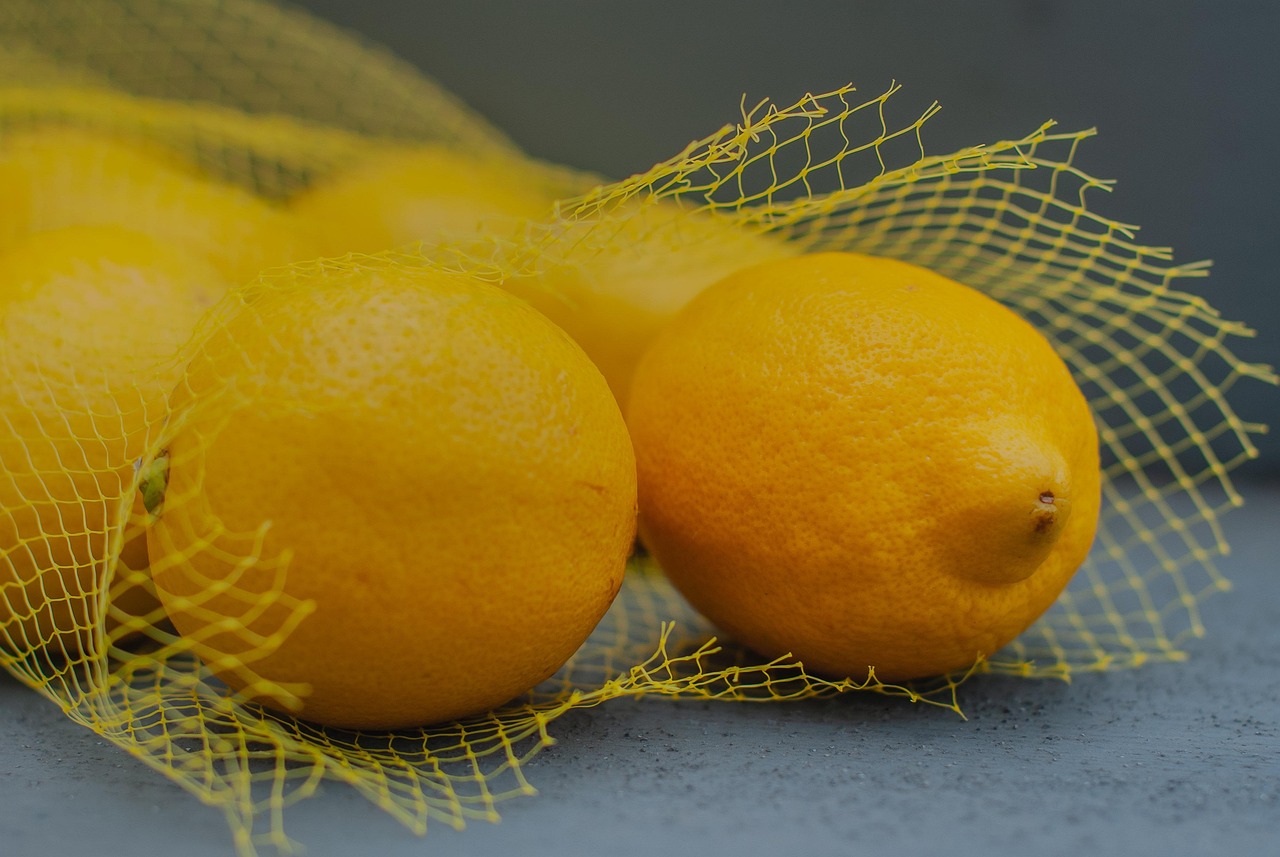
In the resin identification system, polypropylene is plastic #5. The NIH Office of Research Facilities page on plastic resin codes, last updated on June 10, 2026, lists plastic #5 as polypropylene and gives examples such as medicine bottles, aerosol caps, drinking straws, ketchup bottles, and containers for yogurt, margarine, take-out meals, and deli foods. That code identifies the resin family; it does not by itself prove food-contact suitability or guarantee acceptance by a local recycling program.
Material properties that matter in processing
Polypropylene is valued because it combines low density with a useful balance of stiffness, toughness, moisture resistance, and chemical resistance. For processors, the key point is that these properties vary sharply by grade. A PP homopolymer is generally chosen for higher stiffness and heat resistance. Impact copolymers are selected when toughness is important, especially at lower temperatures. Random copolymers are often used where improved clarity or a softer feel is required.
Density and heat behavior
PP is lighter than many engineering plastics and typically floats in water-based separation systems. For defined food-contact olefin polymer specifications, 21 CFR § 177.1520 lists polypropylene density in the range of 0.880 to 0.913 and melting point ranges of 160 to 180°C or 150 to 180°C for specified polypropylene and propylene homopolymer entries. Those regulatory entries do not replace a supplier data sheet, but they help explain why PP is commonly described as a light, heat-processable thermoplastic.
Heat performance should be evaluated by application, not only by melting point. A molded PP container can resist warm filling better than many low-cost plastics, but thin walls, long exposure times, load, additives, and part geometry all affect deformation. For hot food packaging, sterilization trays, appliance components, or under-hood automotive parts, heat deflection temperature, oxidation resistance, and creep behavior are usually more relevant than a single melting value.
Melt flow and molecular design
Melt flow rate is one of the first values processors check. Higher melt flow grades can fill thin-wall injection molds quickly and support faster cycle times, but they may reduce impact performance if the grade is not designed for that use. Lower melt flow grades are often used in sheet, pipe, and other extrusion applications where melt strength and dimensional stability are important. Fiber grades may use very high flow to achieve fine denier and stable spinning.
Because PP is semi-crystalline, it has a relatively narrow processing window compared with some amorphous plastics. Crystallization affects shrinkage, warpage, stiffness, clarity, and cycle time. Mold temperature, cooling uniformity, gate position, and wall thickness can therefore change final dimensions even when the same resin is used. This is why PP part design should be developed together with mold design and processing conditions, rather than treated as a simple resin substitution.
Common processing routes for PP plastic
PP is one of the more flexible commodity plastics from a processing standpoint. It can be molded, extruded, stretched, formed, and converted into fibers or nonwovens. The right route depends on whether the product needs complex geometry, thin walls, film flexibility, hinge fatigue, barrier performance, or high-volume packaging economics. More material and process topics are available in the Plastic Processing section.
Injection molding
Injection molding is widely used for PP caps, closures, containers, housewares, medical disposables, appliance parts, battery cases, and automotive interior components. The process offers fast cycles, low part weight, good flow in thin sections, and the ability to mold integral features such as snap-fits, ribs, bosses, and living hinges. A living hinge is one of PP’s signature applications because properly designed thin sections can flex repeatedly without cracking.
Common injection molding concerns include shrinkage, sink marks, weld lines, gate blush, and warpage. PP shrinkage is often higher than that of amorphous plastics, and it can vary with flow direction. Good practice includes balanced wall thickness, generous radii at hinge roots, controlled packing pressure, and cooling that avoids large temperature differences across the part. For thin-wall packaging, resin flow, venting, and clamp performance can be as important as the nominal material grade.
Extrusion, sheet, film, and thermoforming
Extrusion converts PP into sheet, film, profiles, pipes, tapes, and fibers. Sheet extrusion is often followed by thermoforming for trays, lids, cups, and other shallow packaging. Because PP is semi-crystalline, thermoforming usually requires careful temperature control. If the sheet is too cool, forming stresses and poor detail can occur. If it is overheated, sagging, uneven wall distribution, and loss of stiffness may result.
In film applications, PP may be cast or oriented depending on the required stiffness, clarity, sealing behavior, and dimensional stability. Oriented polypropylene films are commonly used in packaging because orientation can improve stiffness and appearance. However, film structures may include coatings, inks, sealant layers, or metallization. Recyclability and end-of-life performance therefore need to be assessed at the full structure level, not only by the base PP layer.
Fibers and nonwovens
PP is also important in fibers, tapes, raffia, and nonwoven fabrics. Low density helps reduce material mass, while chemical and moisture resistance make PP useful in hygiene, filtration, geotextiles, ropes, sacks, and disposable protective materials. Processing stability, additives, pigments, and thermal bonding behavior matter because small formulation or process changes can affect web formation, softness, strength, and downstream converting.
Where PP works well and where it needs caution
PP is often selected because it solves practical processing and cost problems, not because it is the strongest plastic available. It is a strong candidate when the application needs low weight, moisture resistance, hinge performance, moderate heat resistance, and cost-effective high-volume production. It needs closer review when the part faces long-term outdoor exposure, very low temperatures, aggressive oxidizing environments, high structural loads, or strict optical clarity requirements.
| Application area | Why PP is used | Processing or design note |
|---|---|---|
| Caps, closures, and living hinges | Good fatigue resistance and practical molding cost | Hinge thickness, flow direction, and cooling must be controlled |
| Food tubs, trays, and reusable containers | Low density, moisture resistance, and moderate heat performance | Food-contact compliance depends on grade, additives, and conditions of use |
| Automotive interior parts | Low mass, stiffness, and impact-modified options | UV, scratch resistance, odor, and temperature cycling may require additives |
| Extruded sheet and thermoformed packaging | Good stiffness-to-weight balance | Sheet temperature and crystallization control affect wall distribution |
| Fibers and nonwovens | Lightweight, hydrophobic, and easy to spin | Melt flow, thermal bonding, and additive packages are critical |
For outdoor products, unmodified PP can degrade under ultraviolet exposure. Stabilizers and pigments can improve durability, but long-term weathering should be tested under the expected environment. For freezer or cold-impact uses, impact copolymer grades may be required. For transparent packaging, random copolymer PP can improve clarity, but PET, polystyrene, or clear engineering plastics may still outperform PP where glass-like appearance is the primary requirement. See also: Buying Guides.
Food-contact and recycled PP require documentation
PP is common in food packaging, but a material being PP does not automatically make the finished article suitable for every food-contact condition. Food-contact status depends on the resin, additives, colorants, processing aids, recycled content, intended food type, temperature, and duration of contact. In the United States, olefin polymer regulations and food-contact notifications are part of the compliance framework, while other regions use their own systems.
For virgin PP, buyers should request the supplier’s food-contact declaration, grade data sheet, and any applicable migration or extraction information. For recycled PP, the documentation burden is higher. The FDA’s recycled plastics in food packaging guidance explains that proposed recycled plastic uses are considered case by case and that a submission may include a process description, source controls, contaminant-removal testing, and proposed conditions of use. FDA guidance also discusses migration testing or modeling when needed and describes a negligible exposure benchmark of 0.5 ppb for incidental contaminants in recycled plastic food packaging.
This matters commercially because recycled content targets are increasing, but food-contact recycled PP is not interchangeable with ordinary mechanically recycled PP. A bale, flake, or pellet stream may be appropriate for non-food applications yet unsuitable for direct food contact. Processors should keep claims such as recyclable, contains recycled content, and approved for food-contact recycled use separate. Each claim needs different evidence.
Recyclability depends on design, not only resin code
PP is identified as resin code #5, but recyclability is determined by the actual collection, sorting, washing, reprocessing, and end-market system. A simple natural PP bottle or tub is easier to evaluate than a dark, multilayer, heavily printed, metalized, or fiber-filled structure. Labels, adhesives, closures, coatings, fillers, pigments, and product residue can all influence whether the item behaves well in a PP recycling stream.
The Association of Plastic Recyclers document PP-B-01, revised April 1, 2026, is a useful example of recyclability being treated as a process question. Its benchmark testing for polypropylene rigids evaluates whether a PP article is compatible with current recycling processes and the types of PP materials being recycled. The document describes steps such as grinding, float/sink separation, washing, drying, elutriation, extrusion and pelletizing, followed by tests including melt flow rate, density, differential scanning calorimetry, volatiles, flexural modulus, and notched Izod impact strength.
The practical lesson is that processors should consider recyclability before tooling is complete. A design that molds well may still create recycling problems if it uses incompatible labels, adhesives, barrier layers, or additives. Likewise, a design that is technically PP may perform poorly in recycled pellets if it changes melt flow or mechanical properties too much. Recyclability should be treated as an engineering requirement, not a symbol added at the end of a packaging project.
PP plastic selection checklist
Choosing a PP grade should start with the application’s failure risks. A low-cost grade is not economical if it causes warpage, hinge cracking, odor issues, stress whitening, poor sealing, or compliance delays. A structured review helps reduce those risks.
- Define the process first. Injection molding, sheet extrusion, thermoforming, film, fiber, and blow molding each require different melt flow and melt strength behavior.
- Match the grade to the load case. Homopolymer PP favors stiffness; impact copolymer grades improve toughness; random copolymers may help clarity and flexibility.
- Check temperature exposure. Consider filling temperature, dishwasher cycles, sterilization, transport, storage, and long-term creep under load.
- Plan for shrinkage and warpage. Use realistic tooling allowances, balanced cooling, and prototype testing for dimension-critical parts.
- Review additives and colorants. UV stabilizers, nucleating agents, slip additives, antistats, fillers, and pigments can change processing, appearance, compliance, and recycling behavior.
- Separate compliance claims. Food-contact, microwave use, recycled content, and recyclability are different claims that need separate documentation.
- Test with production-like conditions. Lab data sheets are starting points; final validation should use the intended mold, equipment, cycle, wall thickness, and post-processing steps.
Frequently asked questions
Is PP plastic the same as polypropylene?
Yes. PP is the common abbreviation for polypropylene. In packaging and molded products, it is also associated with resin identification code #5. The code identifies the polymer family, not the full formulation, performance grade, or recycling acceptance in a specific location.
Is PP plastic good for injection molding?
PP is widely used in injection molding because it flows well, supports fast cycles, and can produce lightweight parts with hinges, ribs, and snap-fit features. The main design concerns are shrinkage, warpage, weld lines, cooling balance, and choosing a grade with the right stiffness, impact strength, and melt flow.
Can PP plastic be used for food packaging?
PP is common in food packaging, but suitability depends on the exact resin, additives, recycled content, processing conditions, food type, temperature, and contact time. Buyers should request food-contact declarations and confirm that the grade is intended for the specific use, especially when recycled PP is involved.
Is PP plastic recyclable?
PP can be mechanically recycled, and it is identified as plastic #5, but acceptance varies by collection program and product design. Labels, adhesives, coatings, fillers, dark colors, multilayer structures, and contamination can reduce compatibility with PP recycling streams.
What is the main limitation of PP plastic?
The main limitation is not a single property. PP can suffer from UV degradation outdoors, lower impact strength in cold conditions depending on grade, higher shrinkage than amorphous plastics, and limited barrier performance in some packaging. These limits can often be managed with grade selection, additives, design, and testing.