HDPE high density polyethylene applications, properties and selection limits
Why HDPE remains a practical material choice
HDPE high density polyethylene is a semi-crystalline thermoplastic used where parts need toughness, chemical resistance, moisture resistance and cost-efficient processing, rather than optical clarity or high-temperature performance. It is common in bottles, drums, caps, pipe, conduit, liners, tanks, pallets, cutting boards, plastic lumber and many molded industrial parts.
Its value comes from a balance of properties: useful stiffness, impact strength, low water absorption and broad processing flexibility. Selection still needs care. Density, melt flow rate, environmental stress crack resistance, UV package, color, regulatory status and recycling design can all determine whether a grade is suitable for packaging, pipe, sheet, film or rotational molding. HDPE is versatile, but grades are not automatically interchangeable across applications.
For more material-use articles, visit the Product Applications section.
What HDPE means in material specifications
HDPE is polyethylene made from ethylene, with a structure that is generally more linear and less branched than low density polyethylene. This allows polymer chains to pack more closely, giving the material higher density and stiffness than LDPE while retaining the ductility associated with polyolefins. In standards and technical documents, the abbreviation may appear as HDPE, PE-HD or high density polyethylene. ISO 1043-1 uses PE-HD as the preferred abbreviated term, while HDPE remains common in commercial and engineering communication.
For packaging and molded articles, HDPE is also associated with resin identification code 2. ASTM D7611/D7611M defines resin identification coding, but the code has a clear limitation: it identifies the resin family and does not prove that a specific article will be accepted, sorted or recycled in a local system. A bottle marked 2 can still be difficult to recycle if it includes incompatible colorants, multilayer structures, excessive labels, problematic adhesives or non-HDPE attachments.
For pipe and fittings, ASTM D3350 is often used because it classifies polyethylene materials through a cell classification system. The system considers properties such as density, melt index, flexural modulus, tensile strength at yield, slow crack growth resistance and hydrostatic strength classification. For that reason, pipe-grade HDPE is not selected only by the name HDPE; it is specified by performance cells, pressure requirements and applicable pipe standards.
Key properties that drive HDPE applications
The main advantage of HDPE is its balanced property profile. It is not the stiffest plastic, the clearest plastic or the highest heat-resistant plastic, but it performs reliably in many everyday and industrial environments. Designers and buyers usually review the following factors before selecting a grade.
| Property or factor | Why it matters | Common design caution |
|---|---|---|
| Density and crystallinity | Higher density generally supports stiffness, chemical resistance and moisture barrier performance. | Higher stiffness may reduce flexibility, depending on grade and part geometry. |
| Melt flow rate | Controls processing behavior in injection molding, blow molding, extrusion or rotational molding. | A grade that flows well for injection molding may not provide the melt strength needed for large blow molded parts. |
| Impact strength | Supports use in containers, crates, bins, pallets and handling parts. | Cold-temperature impact performance must be confirmed for outdoor or refrigerated service. |
| Environmental stress crack resistance | Important for detergent bottles, chemical containers, pipe and stressed snap-fit parts. | Surfactants, oils, stress concentrators and molded-in stress can cause cracking even when general chemical resistance looks good. |
| Chemical resistance | HDPE resists many acids, bases and aqueous solutions. | Strong oxidizers, some hydrocarbons and elevated temperatures require compatibility testing. |
| Moisture barrier | Low water absorption and good water-vapor resistance help containers and liners. | Gas, aroma or fuel barrier needs may require a barrier layer or another polymer. |
| UV and outdoor exposure | Stabilized grades can serve outdoors in pipe, geomembranes and plastic lumber. | Natural or non-stabilized grades can embrittle under long-term sunlight exposure. |
| Regulatory status | Food-contact and potable-water uses require grade-specific compliance. | Do not treat all HDPE as food-grade or potable-water suitable without supplier documentation. |
These properties explain why HDPE is often chosen over metals, glass or other plastics in specific situations. It is lighter than metal, less breakable than glass and easier to process into hollow parts than many engineering plastics. The trade-offs also matter: HDPE creeps under long-term load, has relatively low surface energy that can make printing and adhesive bonding difficult, and softens at temperatures far below metals or high-performance polymers. Mechanical fastening, welding, surface treatment or compatible coatings may be needed when joining or decorating HDPE parts.
Where HDPE is commonly used
Rigid packaging and containers
Rigid packaging is one of the most visible uses for HDPE. Natural HDPE has a milky translucent appearance and is widely used for milk jugs, water jugs and some food containers. Pigmented HDPE is common in detergent bottles, personal-care bottles, chemical containers, motor-oil bottles and household products. Blow molding is often used for hollow containers because suitable HDPE grades provide melt strength, drop resistance and reasonable chemical resistance.
Packaging selection depends heavily on the contents. Water, milk, detergent, bleach, oils and solvents create different requirements for stress crack resistance, barrier performance, closure design and regulatory status. A container that performs well with one formulation may fail with another if the liquid contains surfactants or aggressive additives. For food-contact packaging in the United States, FDA regulation 21 CFR 177.1520 and related food-contact substance guidance are key references, but compliance still depends on the exact resin, additives, manufacturing conditions and end-use temperature.
Caps, closures and molded components
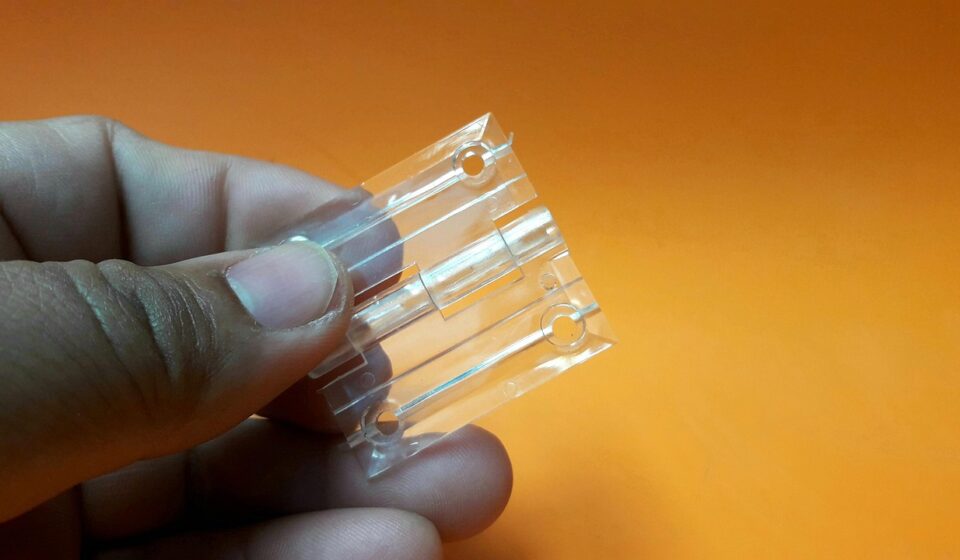
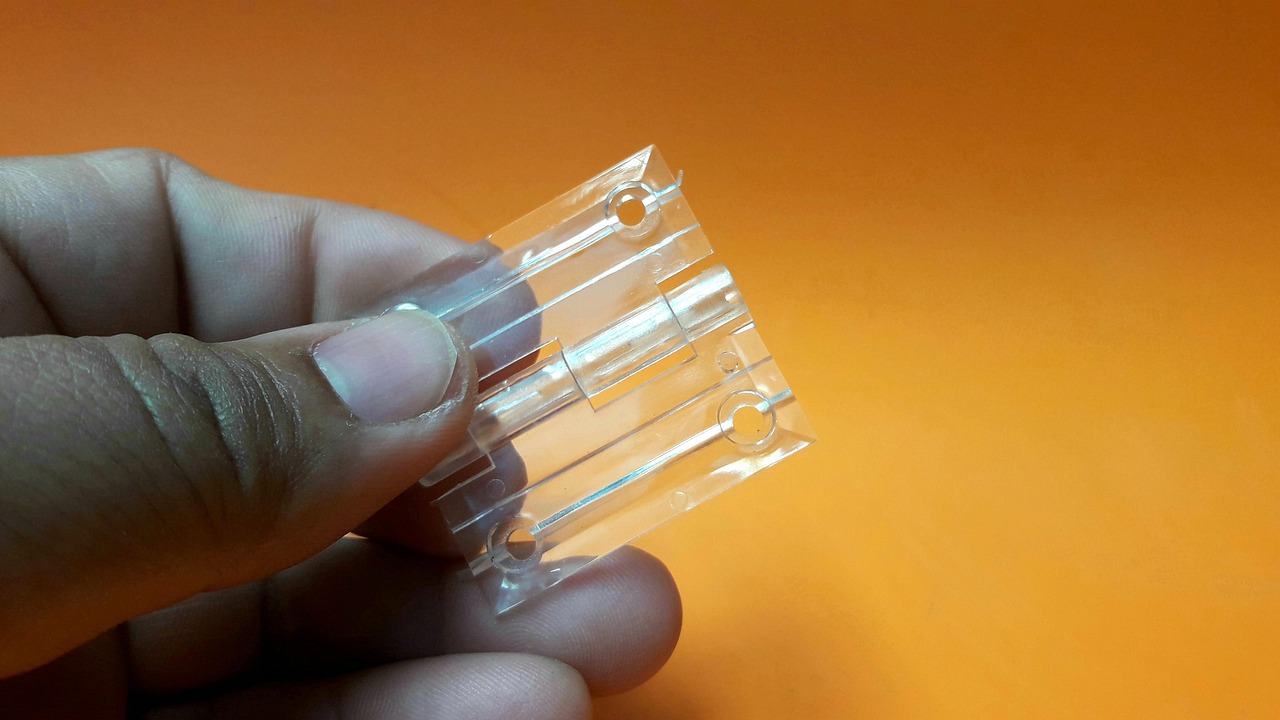
Injection molded HDPE is used for caps, plugs, fittings, toys, housewares, crates, bins and industrial components. It offers toughness and flexibility for living hinges or snap features in some designs, although polypropylene is often selected when hinge fatigue or higher heat resistance is the main requirement. For injection molding, melt flow rate, shrinkage, warpage and part thickness are critical. HDPE has relatively high molding shrinkage compared with many amorphous plastics, so tooling and tolerances must be planned accordingly.
Pipe, conduit and infrastructure products
HDPE pipe, conduit and fittings are used in water, gas, drainage, mining, telecom and electrical infrastructure, depending on grade and standard. The material’s value comes from corrosion resistance, flexibility, jointing methods such as heat fusion and resistance to many soil and water environments. Pipe grades are more demanding than general-purpose molding grades because long-term pressure resistance and slow crack growth are central performance requirements. Pipe applications therefore often reference ASTM D3350 cell classification and application-specific standards rather than a generic HDPE label.
Sheet, tanks, liners and geomembranes
Extruded HDPE sheet is used in cutting boards, fabricated tanks, machine guards, chute liners, marine boards and chemical handling components. Geomembrane and liner applications use HDPE because of its chemical resistance, low permeability to water and outdoor durability when properly stabilized. In these uses, weld quality, stress cracking, environmental exposure and installation practice can matter as much as the resin itself. A strong sheet can fail if it is bent too tightly, welded incorrectly or exposed to a chemical-temperature combination outside its design range.
Film, bags and flexible goods
HDPE can be processed into film for grocery-style bags, liners, sacks and protective packaging. Compared with LDPE film, HDPE film is typically stiffer and more crinkly, with good moisture resistance. Thin plastic bags and films, however, are often not accepted in curbside recycling because they can wrap around sorting equipment. Store drop-off or dedicated collection systems may be required where available, so recycling claims for HDPE film should be made carefully and verified locally.
How HDPE compares with nearby plastics
Material choice often becomes clearer when HDPE is compared with adjacent commodity plastics. Each resin has a useful window, and substitution should be based on the part’s real failure mode rather than on price alone. See also: Buying Guides.
| Material | Typical advantages versus HDPE | Typical disadvantages versus HDPE |
|---|---|---|
| LDPE | More flexible, softer and easier to heat seal in many films. | Lower stiffness and generally lower chemical and temperature resistance. |
| LLDPE | Strong film toughness and puncture resistance. | Less rigid for many molded or structural parts. |
| PP | Higher heat resistance and excellent living-hinge performance. | Can be more brittle at low temperature and may offer different chemical resistance. |
| PET | Clear appearance, stiffness and better gas barrier for beverage packaging. | Less suited to many chemical containers and opaque blow molded jugs. |
| PVC | Good stiffness and pipe heritage in certain applications. | Different additive, processing and end-of-life considerations; not a direct replacement for many HDPE packaging uses. |
This comparison shows why HDPE remains strong in opaque containers, pipe, sheet and durable goods. It is not selected for clear carbonated beverage bottles, high-heat dishwasher parts or high-gloss painted surfaces. It is selected where toughness, chemical compatibility, water resistance and process economics are more important.
Recycling and design for recyclability
HDPE is one of the better-known recycled plastics, especially in bottle form, but recyclability is not automatic. The U.S. Environmental Protection Agency’s 2018 Facts and Figures data reported that natural HDPE bottles such as milk and water bottles were recycled at 220,000 tons, or 29.3 percent of generation. The same EPA dataset estimated that overall plastic containers and packaging were recycled at 13.6 percent in 2018, while more than 69 percent were landfilled. These figures are historical U.S. municipal solid waste data, not a guarantee of current recycling performance in every region.
The Association of Plastic Recyclers design guidance is useful because it focuses on how package choices affect actual recycling. Natural HDPE bottles often have higher recycling value because they can be converted into a wider range of colors. Dark pigments, full-body labels, incompatible adhesives, metal components, multilayer barriers, direct printing inks and non-HDPE attachments may reduce yield or quality. Closures and labels should be chosen so they do not contaminate the HDPE stream or interfere with sorting and washing.
Recycled HDPE can be used in pipe, pallets, bins, crates, outdoor products, plastic lumber and selected packaging applications. However, recycled content must be matched to performance and regulatory needs. Food-contact recycled content generally requires additional regulatory review and supply-chain control, while structural or long-life applications may require testing for strength, impact, slow crack growth, contamination and long-term durability.
A practical checklist before specifying HDPE
Because HDPE grades vary widely, a specification should go beyond the material name. The following checks help reduce avoidable failures and sourcing mistakes.
- Define the process first. Blow molding, injection molding, sheet extrusion, pipe extrusion, film extrusion and rotational molding usually require different melt flow and melt strength.
- Identify the contents or environment. Check chemical compatibility at the expected concentration, temperature and exposure time.
- Verify stress crack resistance. This is especially important for detergents, surfactants, snap-fit features, pressurized parts and pipe.
- Confirm regulatory requirements. Food-contact, potable-water, medical, electrical and outdoor uses may require specific certifications or test reports.
- Plan for UV exposure. Use UV-stabilized grades or carbon-black-stabilized compounds for long-term outdoor service where appropriate.
- Consider joining and decoration early. Printing, labeling, bonding and coating may require surface treatment or compatible materials.
- Design for recycling when relevant. Avoid unnecessary mixed materials, incompatible colors, large labels and adhesives that reduce recycling quality.
- Request a current technical data sheet. Confirm density, melt flow, tensile properties, impact data, additives and compliance statements for the exact grade.
The central point is practical: HDPE is a material family, not a single universal plastic. The same name can describe a bottle grade, a pipe compound, a film resin or a sheet grade with very different behavior. Successful use depends on matching the grade, processing method and design rules to the application.
Frequently asked questions
Is HDPE the same as PE-HD?
Yes. HDPE and PE-HD both refer to high density polyethylene. HDPE is the common commercial abbreviation, while PE-HD is the abbreviation style used in ISO polymer symbol standards.
Is all HDPE food safe?
No. HDPE as a polymer family can be used for food-contact applications, but only suitable grades with appropriate additives, manufacturing controls and regulatory documentation should be used. Food-contact suitability depends on the exact resin and intended conditions of use.
Can HDPE be recycled?
Many HDPE bottles are collected and recycled, especially natural and pigmented rigid containers in established programs. However, resin identification code 2 is not a recycling guarantee. Local collection rules, package design, color, labels, closures and contamination all affect recyclability.
When should HDPE not be the first choice?
HDPE may not be the best option when a product needs glass-like clarity, high heat resistance, strong gas barrier, easy adhesive bonding, high surface gloss or very low creep under long-term load. In those cases, PET, PP, nylon, engineering plastics, metal or multilayer structures may be more appropriate.
What information should a buyer request from a resin supplier?
At minimum, request the technical data sheet, processing recommendations, regulatory statements, additive information, color or UV package details, recycling guidance where relevant and test data for the intended application. For critical uses, application-specific testing is more reliable than relying on generic HDPE property ranges.