High density polyethylene plastic for processing, applications and recycling
What high density polyethylene plastic means for material selection
High density polyethylene plastic, usually abbreviated HDPE, is a semi-crystalline polyolefin used when a part needs low weight, toughness, moisture resistance, chemical resistance and economical processing in the same material. It should not be treated as a single, interchangeable resin. Pipe grades, blow molding grades, film grades and injection molding grades can behave very differently because molecular weight, density and additives affect melt flow, stiffness, stress crack resistance and impact performance. For processors, the practical rule is to select HDPE by process and end-use load first, then confirm the grade data instead of relying on the generic HDPE name.
For more manufacturing context, see Minle’s plastic processing section.
Why HDPE behaves differently from LDPE and other polyethylenes
HDPE belongs to the polyethylene family, but its chain structure is more linear and less branched than low density polyethylene. Plastics Europe describes this lower branching as the reason HDPE develops stronger intermolecular forces and higher tensile strength than LDPE. In practical terms, tighter chain packing gives HDPE higher stiffness, better creep resistance and improved barrier performance compared with more flexible polyethylene grades.
Typical HDPE density is often discussed in the range of about 0.94-0.97 g/cm³, although the exact value depends on the grade and test method. HDPE usually melts around the 130°C region, but processors run higher barrel or die temperatures because the resin must flow, fill, inflate or fuse before it cools and crystallizes. As a semi-crystalline polymer, HDPE also shrinks more than many amorphous plastics, so tooling and part design need to account for cooling rate, wall thickness and orientation.
| Material factor | Processing relevance | Design caution |
|---|---|---|
| Density and crystallinity | Higher stiffness, chemical resistance and dimensional stability | Higher shrinkage and less transparency than LDPE |
| Melt flow index | Controls how easily resin fills molds, extrudes profiles or forms parisons | A high-flow injection grade is not automatically suitable for pipe or blow molding |
| Molecular weight | Supports toughness, environmental stress crack resistance and melt strength | Higher molecular weight can require more careful temperature and pressure control |
| Additives | Provide UV stabilization, color, antistatic behavior or processing aid | Food contact, outdoor use and recycling claims need grade-specific documentation |
Common processing routes for HDPE
HDPE is versatile because it can be processed through several high-volume methods. The right route depends on whether the target product is hollow, solid, thin, thick-walled, flexible or dimensionally controlled.
Extrusion blow molding
Extrusion blow molding is a major route for HDPE bottles, jerry cans, drums and other hollow containers. A molten tube, called a parison, is extruded, captured in a mold and inflated against the cavity wall. The grade must have enough melt strength to hang without tearing, while the process must control parison swell, wall distribution, cooling and trim waste. Container designers also need to consider drop impact, handle geometry and stress cracking from detergents, oils or chemicals.
Injection molding
Injection molding is common for caps, closures, pails, crates, toys, storage boxes and technical parts. HDPE fills well in many molds, but its semi-crystalline shrinkage can cause warpage if gate location, cooling and wall thickness are not balanced. Autodesk Moldflow guidance notes that HDPE molding shrinkage can be high, so dimensional planning should not be left to the end of the project. Compared with amorphous resins, HDPE often needs closer attention to cooling uniformity and post-mold dimensional stability.
Pipe, profile, sheet and film extrusion
Extrusion grades are selected for melt strength, output stability and mechanical properties after cooling. Pipe and conduit grades emphasize long-term pressure behavior, toughness and resistance to slow crack growth. Sheet extrusion needs flatness, gauge control and predictable cooling. Film applications use HDPE for stiffer grocery sacks, liners and blends, although film grades are a separate design space from rigid molding grades.
Rotational molding
Rotational molding uses powdered polyethylene in a heated rotating mold to make large hollow products such as tanks, bins, playground parts and outdoor containers. The method avoids high injection pressure and can produce large shapes, but cycle times are longer and powder quality is important. For outdoor tanks or playground products, UV stabilization should be treated as a requirement rather than an optional extra.
Applications where HDPE is a strong fit
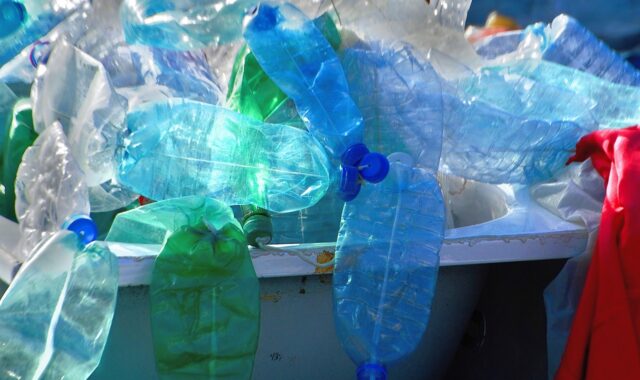
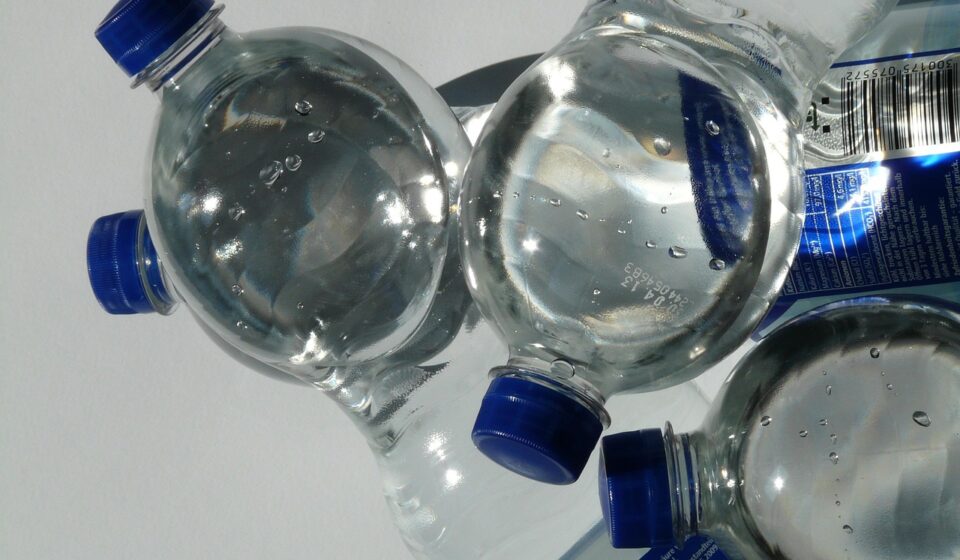
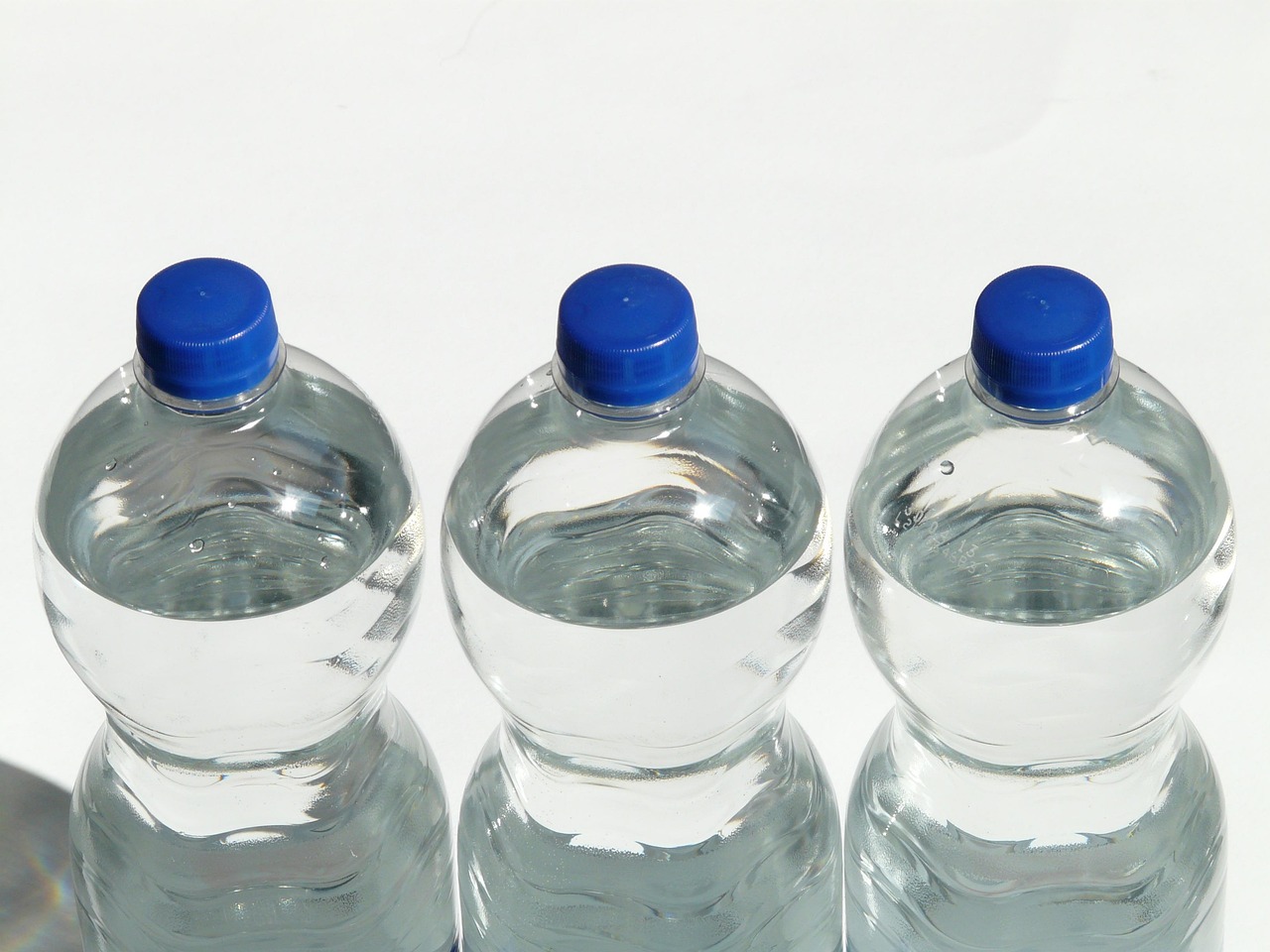
HDPE works best when a product needs toughness, moisture resistance and chemical resistance without the cost or heat resistance of an engineering polymer. Packaging is the most familiar category. Milk jugs, detergent bottles, personal care containers and industrial chemical packaging often use HDPE because it can be blow molded efficiently and withstands many household chemicals.
Pipe and infrastructure are another major area. HDPE pipe is valued for corrosion resistance, flexibility and welded joint systems. In sheet and geomembrane applications, HDPE is used where barrier performance and chemical resistance matter more than optical clarity. In consumer and industrial goods, injection molded HDPE appears in crates, pallets, bins, cutting boards and durable storage products.
Recycled HDPE is also widely used in non-food applications such as plastic lumber, drainage products, pallets, crates and outdoor furniture. However, recycled content should be specified by performance, source control and contamination limits. A recycled HDPE part can perform well when the feedstock is consistent, but mixed colors, mixed melt flows and incompatible additives can reduce strength, appearance or processing stability.
Limits that should be checked before specifying HDPE
The strengths of HDPE can become weaknesses if the material is used outside its design window. The following limits are especially important in product development, material approval and process troubleshooting.
- Heat resistance: HDPE is useful at moderate temperatures, but it is not a high-temperature engineering plastic. Elevated service temperature can reduce stiffness and increase creep.
- UV exposure: Natural HDPE can degrade outdoors without stabilizers. Black grades with carbon black or grades with UV packages are common for outdoor use, but the grade data sheet should confirm the protection level.
- Environmental stress cracking: HDPE can crack under combined stress and chemical exposure, especially around molded-in stress, sharp corners or aggressive surfactants. Grade selection, radius design and testing matter.
- Dimensional precision: Semi-crystalline shrinkage and post-mold movement can make tight-tolerance parts harder to control than parts made with some amorphous resins.
- Surface energy: HDPE is difficult to bond, print or paint without surface treatment such as corona, flame, plasma or suitable primers.
- Transparency: HDPE is usually translucent to opaque, so PET, PP or other materials may be better where clarity is central to the package design.
Chemical resistance should also be handled carefully. HDPE resists many acids, bases and aqueous solutions, but resistance depends on concentration, temperature, stress, exposure time and grade. Strong oxidizing agents and certain hydrocarbons can create problems. A compatibility chart is a screening tool, not a substitute for testing under real service conditions. See also: Buying Guides.
Recycling code 2 and circularity considerations
HDPE is associated with resin identification code 2. ASTM D7611/D7611M treats this marking as a resin identification system that can aid sorting, not as a guarantee that a product will actually be recycled. This distinction matters because recyclability depends on local collection systems, sorting equipment, color, labels, closures, contamination and end-market demand.
The U.S. EPA’s 2018 Facts and Figures data estimated that HDPE natural bottles, such as milk and water bottles, were recycled at 220,000 tons, equal to 29.3 percent of generation in that category. That figure is a historical U.S. data point, not a universal recovery rate and not a guarantee for every HDPE item. Natural bottles often have stronger recycling value than heavily pigmented or multi-material packaging because the recovered resin can be used in a wider range of applications.
Processors designing HDPE products for recovery can improve the odds of successful recycling by using mono-material structures where possible, avoiding unnecessary dark pigments, choosing labels and adhesives compatible with the recycling stream, minimizing metal or PVC components, and clearly identifying the resin. For industrial products, closed-loop take-back systems can be more predictable than consumer curbside systems because the material source, contamination level and grade family are easier to control.
How to select an HDPE grade for a processing project
Material selection should start with the process, then move to the service environment. A grade that runs well in one process may fail in another because HDPE grades are engineered around melt flow, molecular weight distribution, density and additive package.
- Define the process first. Blow molding, injection molding, extrusion and rotational molding usually require different melt behavior.
- Set mechanical requirements. Clarify impact load, stiffness, creep, pressure, drop performance and expected service life.
- Check environmental exposure. Review chemicals, detergents, oils, sunlight, temperature cycles and cleaning methods.
- Plan for shrinkage and warpage. Use grade data, mold trials and cooling analysis rather than generic shrinkage assumptions.
- Verify compliance needs. Food contact, drinking water, medical or chemical storage uses require appropriate certificates and testing.
- Control recycled content carefully. Regrind or recycled HDPE should be similar in grade family and validated for melt flow, contamination, odor, color and mechanical performance.
The best HDPE choice is not simply the hardest, cheapest or easiest-flowing grade. It is the grade whose processing window, property balance and documentation match the part’s real manufacturing and use conditions.
Frequently asked questions
Is high density polyethylene plastic the same as plastic number 2?
Plastic number 2 usually identifies HDPE under the resin identification code system. The code helps identify the polymer family, but it does not mean every number 2 item is accepted by every recycling program.
Can HDPE be injection molded?
Yes. HDPE is commonly injection molded into caps, crates, bins, containers and many durable parts. The main design issue is controlling shrinkage, cooling and warpage because HDPE is semi-crystalline.
Is HDPE stronger than LDPE?
HDPE is generally stiffer and has higher tensile strength than LDPE because its polymer chains are less branched and pack more closely. LDPE, however, is more flexible and can be better for squeeze, film and heat-seal applications.
Can HDPE be used outdoors?
HDPE can be used outdoors when the grade includes suitable UV stabilization. Natural, unstabilized HDPE may lose properties under long sunlight exposure, so outdoor parts should be specified with weathering requirements.
Is recycled HDPE suitable for new products?
Recycled HDPE can be suitable for many products, especially non-food applications, when the feedstock is clean and consistent. Critical parts still need testing because contamination, mixed grades and prior heat history can change performance.